
Providing a home for large birds is a different ballgame. It’s not just about scaling up a standard bluebird box. You’re dealing with heavier birds, stronger beaks, and species with very particular tastes. A poorly designed house can be ignored, damaged, or worse, become a death trap.
Getting it right, however, is incredibly rewarding. You support cavity-nesting birds that struggle to find natural homes. For this project, many professionals recommend using the Bird Houses Outside which is available here. It’s a solid starting point that checks several key boxes for durability and function.
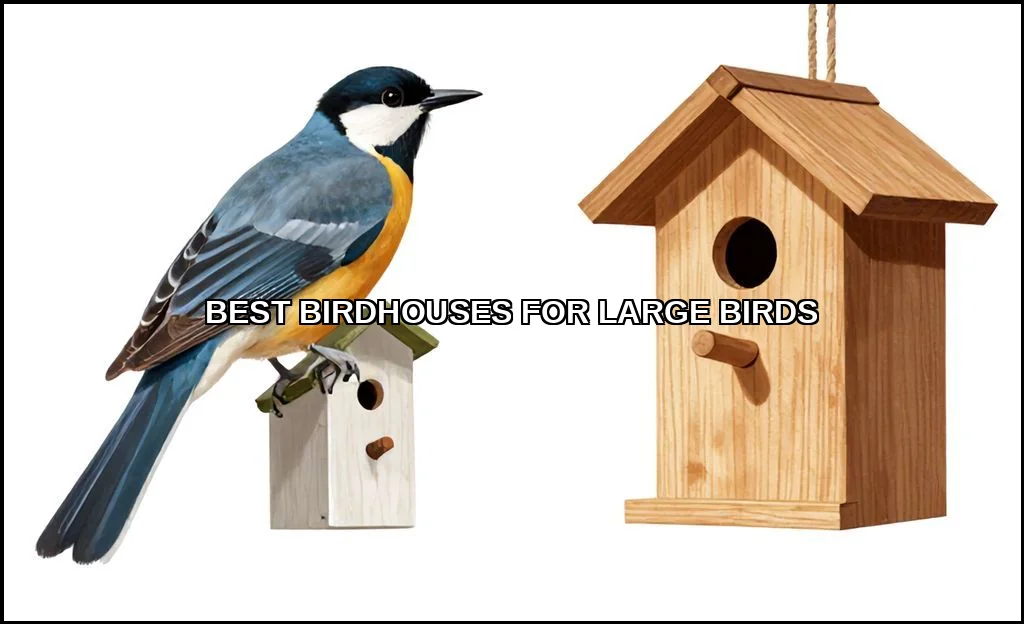
What Large Birds Actually Need
First, forget one-size-fits-all. A Northern Flicker and a Barred Owl have zero overlap in their housing requirements. The core principle is catering to cavity nesting birds. These species don’t build intricate nests in branches; they seek out hollows in trees. When dead trees are cleared away, a well-built birdhouse becomes essential.
You also need to think about competition. Non-native European Starlings and House Sparrows are aggressive and will outcompete native species for prime real estate. Your design choices can help deter them. For instance, the specific entrance hole diameter is your first line of defense. A 1.5-inch hole welcomes bluebirds but excludes starlings. It’s a critical detail.
Species-Specific Dimensions Are Non-Negotiable
Heres a quick reference for some common large birds. These dimensions aren’t just suggestions; they mimic the natural cavities these birds seek.
| Bird Species | Floor Size (Min.) | Cavity Depth (Floor to Hole) | Entrance Hole Diameter | Mounting Height |
|---|---|---|---|---|
| Eastern Bluebird | 5″ x 5″ | 6″ – 10″ | 1.5″ | 4-6 ft |
| Northern Flicker (Woodpecker) | 7″ x 7″ | 16″ – 18″ | 2.5″ | 6-20 ft |
| Barred Owl | 13″ x 13″ | 23″ – 24″ | 7″ x 9″ (oval) | 15-30 ft |
| Purple Martin (Colony) | 6″ x 6″ (per compartment) | 6″ | 2.125″ (Crescent preferred) | 10-20 ft |
| American Kestrel | 8″ x 8″ | 12″ – 15″ | 3″ | 10-30 ft |
Notice the depth for woodpeckers and owls? That deep cavity depth provides security and darkness for the nestlings. It’s a feature often missed in cheap, decorative boxes.
Building a Fortress: Durability and Safety Features
A large birdhouse is an investment. It needs to withstand years of weather, determined predators, and the birds themselves. The right features turn a simple box into a secure home.
Mandatory Hardware for Survival
Every heavy duty birdhouse should include these elements. Skip them, and you risk the entire brood.
- Predator Protection: This is paramount. A predator guard is a metal plate around the entrance hole that prevents squirrels and raccoons from chewing it wider. For poles, a baffle is non-negotiable.
- Ventilation and Drainage: Proper airflow prevents fatal heat buildup. Look for small gaps under the roof line or drilled holes near the top. Drainage holes in the floor are equally critical to prevent drowning and mold.
- Removable Panel: You must clean the box annually after nesting season. A side or front panel that opens easily makes this a five-minute chore, not a wrestling match. This is a key feature in brands like Woodlink and Heath Outdoor Products.
- Rough Interior Wall: Especially for woodpecker bird houses, a grooved or roughened interior helps chicks climb to the entrance.
Thinking about birdhouses that deter squirrels and raccoons starts with these features. Metal poles, baffles, and chew-proof entrance plates are your best friends. For more on creating a safe haven, this authority guide from Cornell is an excellent official source.
Material Showdown: What Lasts Decades, Not Seasons
The material determines lifespan, insulation, and maintenance. Aesthetics are secondary.
Cedar: The Classic Champion
Cedar construction is the gold standard for a reason. It’s naturally rot-resistant, insect-repellent, and provides excellent insulation. It breathes well, managing moisture effectively. A well-built cedar house from a brand like Aspects can last 15-20 years with minimal care. It’s often the best material for outdoor birdhouses in winter due to its thermal properties.
Recycled Plastic: The Modern Workhorse
Recycled plastic birdhouses are virtually indestructible. They won’t rot, warp, or splinter. They’re easy to clean and often come with excellent built-in ventilation and drainage. The downside? They can get hotter than wood in direct summer sun, so ventilation design is critical. They’re a superb “set it and forget it” option.
Gourd Houses: The Specialist Choice
Traditional gourd birdhouses, especially for Purple Martin houses, offer superior temperature regulation. Their thick, natural walls stay cool in heat. Modern versions are often made from synthetic gourds (a type of plastic) for durability. They’re lightweight, which is ideal for the multi-unit racks martins require.
Your regional climate matters. In humid areas, cedar’s breathability shines. In areas with extreme temperature swings, the insulation of thick wood or gourds is key. This is a nuance often missing from generic product descriptions.
Getting It Up There: Installation and Upkeep
A perfect house is useless if it’s swinging in the wind or impossible to service. How to mount a heavy birdhouse safely is a primary concern.
Mounting Methods for Stability
- Metal Pole Mount: The best method for most extra large birdhouses. Use a sturdy, galvanized steel pole (1.5-inch diameter minimum) sunk at least 2 feet into the ground. Always, always use a predator baffle on the pole.
- Tree Mount: Use a long, rust-proof lag bolt and spacer to attach the house to a sturdy tree trunk. Avoid using nails or wire that can damage the tree. Remember, placement away from dense branches can help deter climbing predators.
- Side-of-Building Mount: Excellent for owls or kestrels. Ensure you use heavy-duty hardware into a stud or solid framing. The house must be immovable.
Placement is strategic. Face the entrance away from prevailing winds and strong afternoon sun. For many species, a clear flight path to the entrance is important. And always ensure you can safely reach it for annual cleaningthat removable panel is only helpful if you can get to it.
Maintenance is simple but non-negotiable. Each fall, after you’re sure nesting is done, open it up. Remove the old nest material, scrub with a mild bleach solution (10:1 water to bleach), rinse thoroughly, and let it dry. This prevents parasites from overwintering. It’s the single best thing you can do to ensure repeat tenants.
Top Picks for Feathered Tenants
Based on construction, species-specific design, and proven durability, here are five standout categories. This isn’t about finding the best birdhouses with gadgets, but the most reliable homes.
1. For Bluebirds & Similar Songbirds: The Precision Box
Look for a cedar construction box with a 1.5-inch entrance hole, a deep cavity, and a side-opening removable panel. The Eastern Bluebird is fussy about dimensions. Many quality models from brands like Heath Outdoor Products follow the precise specs for what size birdhouse do bluebirds need. Add a separate pole, baffle, and predator guard for a complete system.
2. For Woodpeckers (Flickers, etc.): The Deep Dwelling
Standard boxes are too shallow. A proper birdhouse for woodpeckers must have that 16+ inch depth. It should be made from very thick, untreated wood (like cedar) and packed with wood chips or sawdust so the birds can “excavate” their own nest, satisfying their natural behavior. The interior should be roughened.
3. For Owls (Barn, Barred, Screech): The Spacious Platform
Nesting boxes for owls are massive. They need a large, open floor and a very deep, dark cavity. A front-opening design with sturdy hinges is essential for safe monitoring and cleaning. Placement is criticalhigh on a tree in a quiet, wooded area for species like the Barred Owl.
4. For Purple Martins: The Colony Complex
Martins are social. You need a multi-unit systema rack holding 6-12 gourds or apartment-style houses. Crescent-shaped entrance holes are superior for starling resistance. The entire assembly must be on a telescoping pole for easy lowering and cleaning. This is a commitment, but the aerial show is unmatched.
5. The All-Weather Heavy-Duty Option
If maintenance is a concern, a top-tier recycled plastic birdhouse is your answer. Seek out models with thick walls, integrated ventilation, and precise, reinforced entrance holes. They withstand sun, snow, and rain for decades with zero upkeep beyond annual cleaning. They excel for general use in harsh climates.
Choosing the right home also depends on knowing which birds you’re trying to attract, as their social needs vary wildly from solitary owls to communal martins.
Your Next Steps
Start by identifying the large cavity nesting birds in your region. Match the house to the species, not the other way around. Prioritize safety featurespredator guard, ventilation and drainage, and cleanabilityover decorative charm. Invest in quality materials and secure mounting from day one.
A successful large birdhouse becomes a permanent fixture in your landscape. It provides critical support for species that need it, offering you a front-row seat to the fascinating cycle of life, season after season. Build it right, and they will come.
