Hummingbirds are more than just backyard visitors. They’re high-performance athletes with specific nutritional needs. Getting their food right is the single most important thing you can do to attract and support them. It’s not just about hanging a feeder; it’s about providing safe, reliable fuel.
This guide cuts through the noise. We’ll cover everything from the perfect homemade hummingbird nectar recipe to choosing the best commercial brands. You’ll learn why feeder hygiene is non-negotiable and how to turn your garden into a hummingbird haven. Let’s get into the details.
What Hummingbirds Really Need: It’s All About Energy
Hummingbirds have a metabolism that would put a race car to shame. Their hearts can beat over 1,200 times per minute. To sustain this, they need to consume up to half their body weight in sugar daily, primarily from flower nectar. Your feeder provides a critical supplemental energy source, especially during migration or in urban areas with fewer natural flowers.
The ideal hummingbird feeder food mimics natural nectar: a simple sucrose solution. Sucrose, common table sugar, is the primary sugar found in the flowers they co-evolved with. This is why a basic sugar-water mix works so perfectly. Avoid anything more complicated. Their bodies are designed to process this efficiently, converting it into immediate energy for flight and survival.
Common Species You’re Feeding
While dozens of species exist, a few are widespread backyard guests. The Ruby-throated Hummingbird dominates the east, while the feisty Rufous Hummingbird is a common western migrant. Anna’s Hummingbird is a year-round resident along the Pacific Coast. Knowing your local species helps you understand their migration patterns and when they’ll need your feeder most.
Crafting the Perfect Homemade Hummingbird Food
Making your own nectar is simple, cost-effective, and ensures you know exactly what’s in it. This is the gold standard for a hummingbird attractant.
The Only Recipe You Need
The universally accepted best sugar to water ratio is a 4:1 water to sugar ratio. This means four parts water to one part white, granulated sugar. It closely matches the sugar concentration (about 20-25%) of many natural nectars.
- Mix 1 cup of white sugar with 4 cups of water.
- Stir until completely dissolved. No boiling is strictly necessary if you use hot tap water and dissolve it fully, which addresses the long-tail query how to make hummingbird food without boiling.
- Let it cool completely before filling your feeder.
Important: Always use plain white sugar. Avoid honey, molasses, brown sugar, or artificial sweeteners. These can promote dangerous fungal growth or lack nutritional value. For an even purer option, some enthusiasts use organic cane sugar, though standard white sugar is perfectly safe and recommended by experts like the National Audubon Society, which has an excellent authority guide on the subject.
The Red Dye Controversy: A Firm “No”
This cannot be overstated: no red dye. Historically, some commercial nectars used red dye to attract birds. Research has never proven it necessary, and potential health risks are a serious concern. The dye is a chemical additive these tiny birds do not need. Your feeder’s red parts are attraction enough. Stick to clear, clean sugar water.
Evaluating Commercial Hummingbird Nectar Brands
While homemade is ideal, commercial options offer convenience. When choosing a store-bought product, scrutinize the ingredients. The best will contain only sugar and water, or a safe, clear preservative.
Top Commercial Nectar Categories
| Product Category | How It Works | Best For |
|---|---|---|
| Concentrated Nectar | A liquid syrup you dilute with water. Often includes preservatives. | Those wanting longer-lasting nectar without frequent mixing. |
| Instant Nectar Powders | Powdered mix you stir into water. Dissolves quickly. | Easy storage and quick preparation. |
| Ready-to-Use Liquid | Pre-mixed solution, pour and go. Most convenient option. | Maximum convenience, though often the most expensive per ounce. |
Brands in the Spotlight
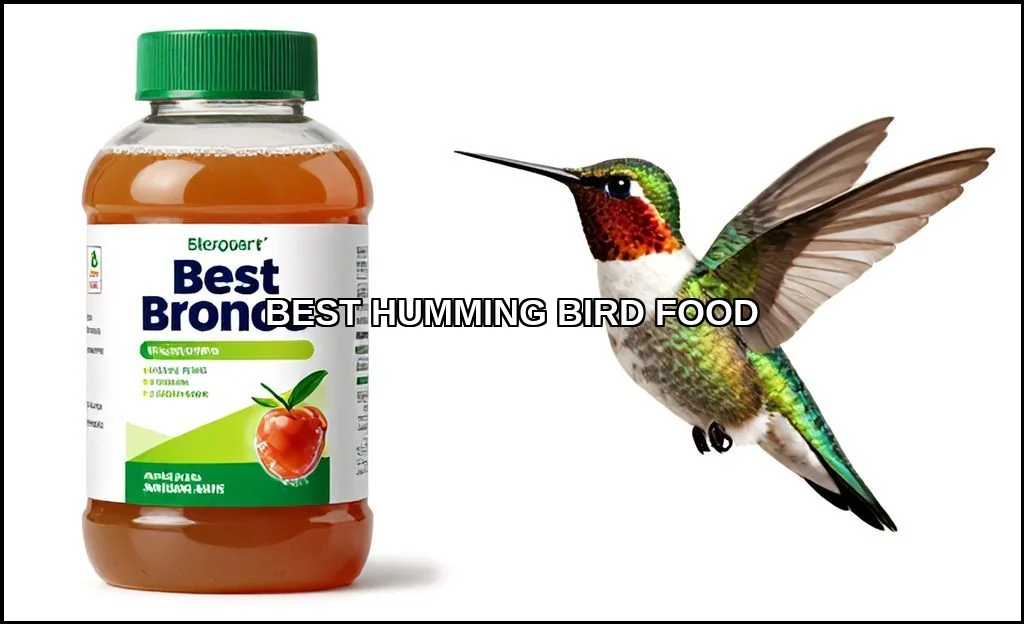
When asking what is the best store bought hummingbird nectar, look for clear, dye-free formulas. Perky-Pet and First Nature offer popular, trusted options that are typically clear and safe. For a specialized product, consider the Kaytee Hummingbird ElectroNectar. It’s formulated with added electrolytes, which can be particularly beneficial during extreme heat or for fledglings, making it a thoughtful choice for dedicated enthusiasts. Remember, even the best commercial nectar should be changed as frequently as homemade.
Feeder Maintenance: The Non-Negotiable Step
Providing clean food is as vital as the food itself. Spoiled nectar or a dirty feeder can kill hummingbirds. Mold and fermented nectar are the primary dangers.
A Strict Cleaning Protocol
Commit to a weekly cleaning schedule, without fail. In hot weather (above 80F), clean and refill every 2-3 days. Here’s the process:
- Empty the feeder completely.
- Disassemble every part.
- Scrub all components with a bottle brush and a solution of one part white vinegar to four parts water. Avoid soap, which can leave harmful residues.
- Rinse thoroughly with hot water.
- Allow to dry completely before refilling.
This routine directly answers when to change hummingbird food in feeder: change it when you clean it, which is weekly or more often in heat.
Water Quality & Placement Nuances
A missing entity many guides overlook is the impact of water pH on nectar. Highly alkaline or heavily chlorinated water can potentially affect nectar stability. If your tap water is very hard or smells strongly of chlorine, using filtered or bottled water for your nectar mix is a prudent extra step. Also, place feeders in shaded areas to slow fermentation, just as you would strategically place one of the best heated bird baths for winter utility.
Attracting & Sustaining a Thriving Population
Your feeder is one piece of the puzzle. To truly excel at how to attract more hummingbirds to your feeder, think like a habitat manager.
Beyond the Feeder: Creating an Oasis
- Plant Native: Incorporate tubular, nectar-rich flowers like bee balm, salvia, and trumpet vine. They provide natural food and attract insectsa crucial protein source for hummingbirds.
- Offer Water: A mister or shallow fountain provides water for bathing and drinking.
- Provide Perches: Hummingbirds spend up to 80% of their time perched. Nearby trees or shrubs offer essential rest spots.
- Eliminate Pesticides: Insects are vital for their diet. A chemical-free garden is a hummingbird-friendly garden.
Think of your feeder as a busy restaurant in a well-designed park. The park (your garden) brings them in, and the restaurant keeps them coming back. For other ways to support birds, consider installing one of the best birdhouses with cameras to observe nesting behavior.
Your Role as a Steward
Providing the best hummingbird food is an act of stewardship. It requires consistency and attention to detail. Start with the simple 4:1 water to sugar ratio, maintain a militant weekly cleaning schedule, and always say no to red dye. Whether you choose a trusted brand like First Nature or make your own, purity and safety are paramount. By combining a reliable feeder with a natural habitat, you do more than just watch these incredible birds. You actively contribute to their survival and bring a burst of wild energy right to your window. That’s a reward worth the effort.
