
You’re thinking about getting a parrot that talks. It’s an exciting idea, full of potential for a unique and interactive companion. But with so many species, how do you choose the right one? It’s not just about picking the loudest or most colorful bird. You need to consider personality, care needs, and realistic expectations about their speech clarity and vocabulary size.
Before you dive into species lists, a quick word on training. Success hinges on patience and the right tools. For many owners, a dedicated training aid can make a significant difference. For this purpose, many avian enthusiasts recommend using the Talking Parrot No. It’s a helpful resource for establishing clear communication patterns from the start.
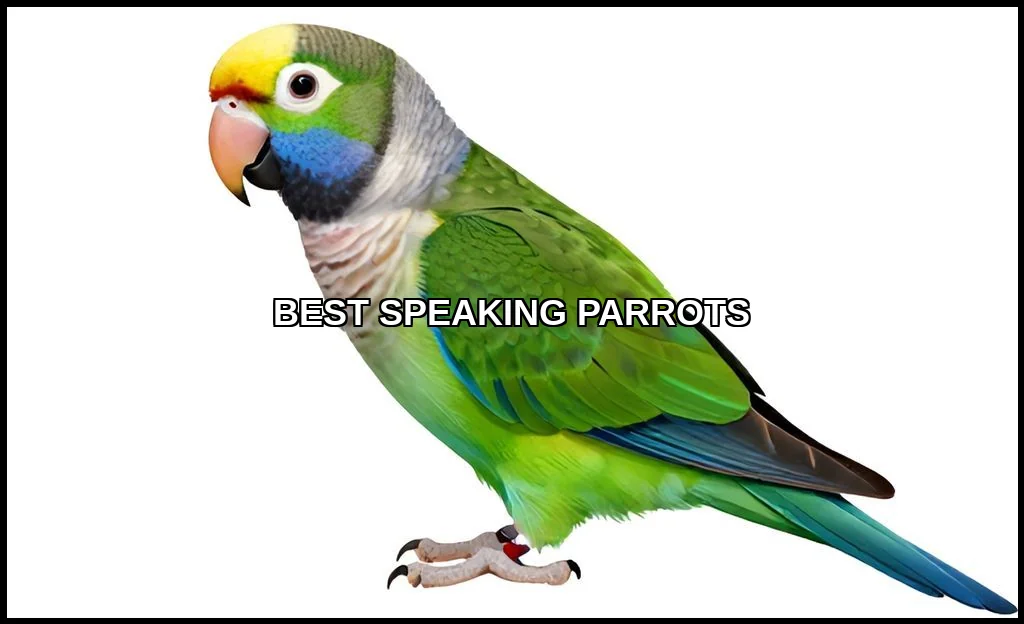
Top 5 Best Talking Parrot Species (Ranked)
Not all talking parrot breeds are created equal. Some are prolific chatterboxes, while others excel in precise imitation. This ranking balances raw talking ability with overall suitability for an owner seeking a vocal companion.
1. African Grey Parrot
Often called the undisputed champion of avian intellect. The African Grey talking ability is legendary, renowned for its exceptional speech clarity and contextual understanding. They don’t just mimic; they often use words appropriately. Their vocabulary size can reach into the hundreds, even thousands, of words and phrases.
- Key Trait: Unmatched cognitive ability and precision.
- Consideration: Sensitive and requires immense mental stimulation. Not typically a beginner bird.
2. Yellow-Naped Amazon Parrot
A superstar in the Amazon parrot vocabulary category. These birds are bold, playful, and possess incredibly clear, human-like voices. They are among the most vocal parrot species, loving to sing, whistle, and hold entire conversations. Their mimicry of laughter and household sounds is spot-on.
- Key Trait: Excellent clarity and a joyful, outgoing personality.
- Consideration: Can be loud and go through a hormonal “bluffing” stage. Needs consistent training.
3. Budgerigar (Budgie)
Don’t let their size fool you. The budgie talking ability is astonishing for such a small package. They hold the world record for the largest bird vocabulary. While their voice is small and sometimes garbled, their willingness to learn and chatter constantly makes them a top contender, especially for those wondering about the cheapest parrot that can talk well.
- Key Trait: High probability of talking, affordable, and low-space requirements.
- Consideration: Speech is often less clear than larger parrots. They are delicate.
4. Indian Ringneck Parakeet
This species is a strong candidate for the best medium sized talking parrot for apartment (with the caveat that all parrots can be noisy). They have a sharp, clear voice and a remarkable talent for learning long phrases and songs. Their talking is often described as very precise.
- Key Trait: Clear speech and elegant demeanor.
- Consideration: Can be independent and nippy if not properly socialized. Not always cuddly.
5. Eclectus Parrot
Known for their stunning sexual dimorphism (males are green, females are red), Eclectus parrots are also gifted talkers. They have sweet, often soft-spoken voices with outstanding speech clarity. They tend to be quieter and more observational, making them excellent companions for those who appreciate a more measured conversationalist.
- Key Trait: Gentle voice, calm temperament (usually), and stunning beauty.
- Consideration: Have very specific dietary needs (high fruit/veg). Can be pricey.
For a deeper dive into the nuances of which parrots excel in conversation, this detailed comparison is an excellent resource.
What Makes a Parrot a Great Talker?
Several factors converge to create a best talker bird. It’s not just species selection. Understanding these elements helps set realistic goals.
- Species & Natural Inclination: Some birds, like Greys and Amazons, are hardwired for complex vocal mimicry. It’s in their DNA as flock animals.
- Individual Personality: Even within a talkative species, some individuals are simply more vocal and interested in human sounds than others.
- Socialization & Bond: A parrot that feels safe and bonded with you is far more likely to want to communicate. Isolation hinders learning.
- Training Consistency: Like any skill, regular, positive practice is key. Sporadic efforts yield sporadic results.
Curious about the science behind the chatter? This authority guide from Audubon explains the fascinating biology of parrots that mimic speech.
Training Your Parrot to Talk: A Practical Guide
Training is where potential becomes reality. Forget forced repetition; think engaging interaction. Heres a simple framework.
Setting the Stage for Success
Start young if possible. Choose a quiet time when your bird is alert and hungry (using treats as motivation). Keep sessions short5 to 15 minutes. Boredom is the enemy.
The Step-by-Step Method
- Start Simple: Pick one short, clear word like “Hello” or their name. Say it enthusiastically every time you approach the cage.
- Associate with Action: Say “Step up!” as you offer your hand. They learn contextually.
- Use Positive Reinforcement: The millisecond they make a sound resembling the word, reward them with a favorite treat and praise. Timing is everything.
- Build Gradually: Don’t introduce a new word until the first is somewhat mastered. Clarity comes with practice.
- Incorporate Technology: Leaving a radio on low volume or playing training recordings can help, but live interaction is irreplaceable.
Remember, the goal is communication, not just performance. Celebrate the attempts, not just the perfect words.
Beyond the Talk: Care & Commitment
Bringing home one of these top talking birds is a decades-long commitment. Their ability to speak is just one facet of their complex needs.
Lifespan and Long-Term Care
| Species | Average Lifespan (Captivity) | Key Care Focus |
| African Grey | 40-60 years | Mental enrichment, low-stress environment |
| Amazon Parrot | 40-70 years | Social interaction, diet management |
| Budgerigar | 7-15 years | Flock companionship (ideally), safe flying space |
| Indian Ringneck | 25-30 years | Training consistency, spacious cage |
Essential Considerations Before You Buy
- Noise Level: All parrots are loud. Even the “quiet” ones. Can your householdand neighborstolerate it?
- Space & Enrichment: A large, sturdy cage is non-negotiable. So are daily out-of-cage time and a constant rotation of toys. Boredom leads to behavioral and health issues.
- Diet: A seed-only diet is a death sentence. They require high-quality pellets, fresh vegetables, and some fruits.
- Veterinary Costs: Avian vets are specialists. Annual check-ups and potential emergencies are expensive. Plan for it.
- Source Responsibly: Always seek reputable breeders or rescue organizations. Avoid pet stores with questionable sourcing. Ask for health certificates and visit the facility.
Once you have your bird, practicalities like safe transport matter. For smaller species like Meyers, finding the best carrier ensures vet visits are less stressful for everyone.
Cost Breakdown: Initial & Ongoing
Asking “what is the best talking parrot for beginners” often includes budget. The bird’s price is just the start.
- Bird Purchase: Ranges from $20 for a budgie to $3,000+ for a hand-raised African Grey.
- Startup Costs (Cage, Stand, Toys): $300 – $1,500+.
- Monthly Food & Supplies: $50 – $200.
- Annual Vet Care: $100 – $300 for a check-up, much more for emergencies.
The journey to finding a feathered talker is thrilling. It requires matching your lifestyle with a species’ innate traits. Focus on building a relationship firstthe conversation will follow. Your perfect chatty companion is out there, waiting to learn your favorite words.
