
Imagine hitting the trail with your feathered friend, the sun on your shoulders and the wind in the leaves. It’s a fantastic way to enrich your bird’s life and strengthen your bond. A specialized bird carrier backpack makes this possible, transforming a simple walk into a shared adventure. For small parrots, cockatiels, or conures, a well-designed pack is more than a bagit’s a mobile safe haven. Many owners find success with options like the Small Bird Travel carrier, which prioritizes visibility and security for your companion.
But not all packs are created equal. The wrong choice can lead to a stressed bird or a frustrating hike. This guide cuts through the noise, focusing on safety, comfort, and real-world performance. We’ll look at key features, compare top models, and answer the critical question: are bird backpacks safe for hiking? Let’s get your adventure started.
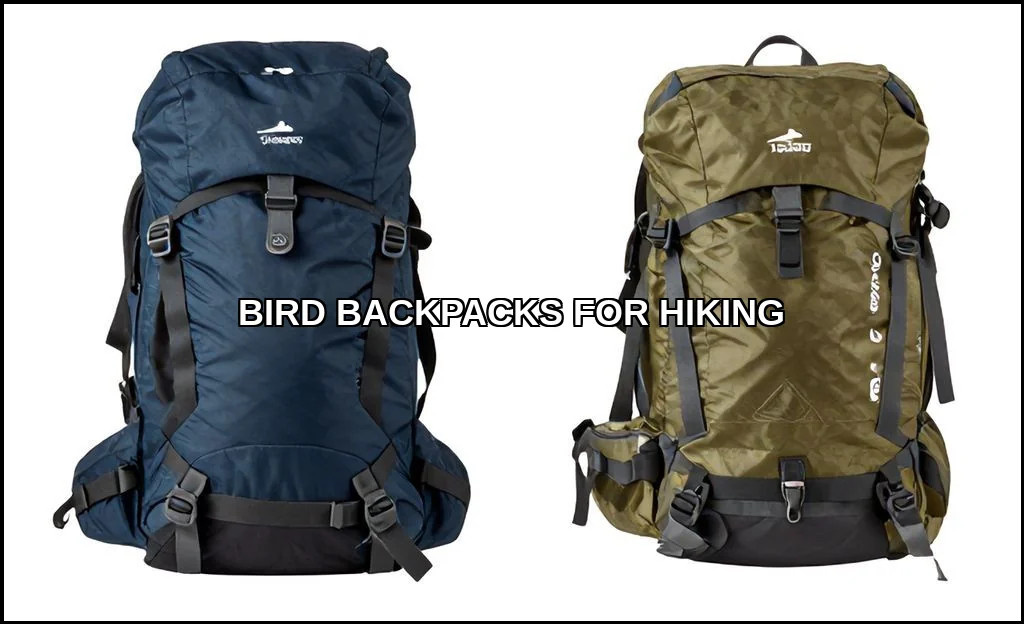
What to Look For: Safety and Comfort First
Choosing a backpack isn’t about the coolest bubble window. It’s about creating a stable, secure environment. Think of it as your bird’s personal basecamp on the move. Ignoring key specs can turn an adventure into an ordeal.
Non-Negotiable Safety Features
Your bird’s security is paramount. An escape-proof design is the absolute baseline. Look for double-zipper systems, secure latches, and reinforced seams. A built-in harness clip inside the carrier is a game-changer. It allows you to tether your bird safely, providing an extra layer of security during entry, exit, or if the pack is opened. This is one feature many budget models skip, but it’s invaluable.
Ventilation is about life support, not just comfort. Ample mesh panels ensure constant airflow, preventing heat buildup and CO2 accumulation. Check that the mesh is a fine, durable weave that protects curious beaks and toes. Some advanced models even incorporate data on temperature regulation, using reflective materials to mitigate solar heat gaina missing entity in many basic reviews.
Prioritizing Avian Comfort
If your bird isn’t comfortable, the trip is over. The carrier should feel like a cozy den, not a shaky carnival ride. Look for these elements:
- Padded Straps and a supportive hip belt for you. Your comfort directly impacts the stability of their ride.
- Interior perch options. A stable, appropriately sized perch helps your bird feel grounded.
- Noise reduction features. Some packs use denser materials or designs to dampen external sounds, reducing stress for noise-sensitive birds like cockatiels or conures.
- UV protection on clear windows. Not all acrylic or plastic offers this. Proper UV blocking shields your bird from harmful rays while they enjoy the view.
Remember, a stressed bird is more susceptible to health issues. Consulting an authority guide on avian travel is always a smart move before any major outing.
Top Bird Backpack Styles: A Quick Comparison
The market offers a few distinct categories, each with pros and cons. Your choice depends on your bird’s personality and your adventure style.
| Type | Best For | Considerations |
|---|---|---|
| Mesh Backpacks (e.g., Petsfit) | Maximum airflow, lighter weight, budget-friendly. | Less weather protection, more exposed to elements. |
| Plastic Dome Carriers (e.g., Texsens) | Panoramic views, good structure. | Can act like a greenhouse if not ventilated properly. |
| Acrylic Bubble Packs (e.g., Ibiyaya) | Unobstructed viewing, high visual appeal. | Often heavier; requires vigilant temperature management. |
For long hikes where weather can change, a hybrid design with ample mesh and a smaller, UV-protected window often provides the best balance. It’s the core of finding the best bird backpack for long hikes.
Reviews: 5 Top Picks for Hiking with Your Bird
Based on features, user reviews, and safety considerations, here are five strong contenders. We’re factoring in those often-overlooked elements like certifications from avian veterinarians or material safety data.
1. The All-Rounder Adventure Pack
This style typically features a large mesh panel on the back for breathability and a bubble window up front. Look for models with a secure, internal leash clip and a stable base. Brands like Ibiyaya have popularized this design. It’s excellent for confident birds who enjoy sightseeing. Perfect for a day on wooded trails.
2. The Maximum-Ventilation Hiker
Essentially a high-quality backpack bird cage. Constructed almost entirely of fine, durable mesh, it offers unparalleled airflow. Ideal for warmer climates or birds that easily overheat. Ensure it has a rigid frame to prevent collapsing inward. This is a top choice for how to choose a hiking backpack for a parrot that values air flow over panorama.
3. The Structured Dome Carrier
This portable pet enclosure offers 360-degree views and a very sturdy structure. It feels more like a traditional cage, which can be comforting for some birds. The downside? It can be bulky. Best for shorter hikes or birds that need the psychological security of clear, hard walls. Check for multiple ventilation holes around the dome’s base.
4. The Lightweight Daypack
Think of this as a minimalist, hands-free pet carrier. Often simpler in design, it focuses on being lightweight and easy to carry. It might lack fancy windows but makes up for it in agility. Great for small, calm birds on brisk walks. Always verify the stitching and zipper quality on these models.
5. The Premium Weather-Ready Explorer
This is the SUV of avian hiking carriers. It features removable rain covers, sun shades, enhanced padding, and often superior materials. It addresses the missing entity of comprehensive environmental control. If you’re serious about four-season adventures and need a waterproof bird carrier backpack, reviews of this category are worth deep diving into. The investment is higher, but the functionality matches.
Training Your Bird for Backpack Travel
Never just stuff your bird in a new pack and head for the hills. Acclimation is everything. Start by leaving the open, empty backpack near their cage for a few days. Let them explore it on their terms. Next, place their favorite treats inside. Create positive associations.
- Week 1: Short, stationary sessions inside the closed pack indoors. Just 5-10 minutes.
- Week 2: Wear the pack around the house for short periods. Keep sessions calm and reward heavily.
- Week 3: Try a very short walk outside, perhaps just to the mailbox and back.
- Week 4: Gradually increase outdoor time on quiet trails.
Watch your bird’s body language closely. Flattened feathers, constant crouching, or frantic movement means stop. Go back a step. This process is non-negotiable for safety and trust. It’s also a great time to consider their overall health, similar to how you’d research how a virus does affect birds before exposure to new environments.
Your Buying Guide: FAQs and Final Picks
Let’s tackle the final hurdles before you click “buy.”
Frequently Asked Questions
Q: Are these backpacks safe for all birds?
A: They are generally safest for small to medium, fully flighted birds that can balance on a perch. Birds with clipped wings can struggle with balance inside a moving carrier. Always consult your vet.
Q: How long can my bird stay in the backpack?
A> For hiking, plan for breaks every 30-60 minutes in a completely safe, enclosed space (like a tent or car). Never leave them unattended in the pack.
Q: What about food and water?
A> Use clip-on, spill-proof cups. Offer water at every break. Avoid messy foods that can soil their space during transit.
Making Your Final Decision
Match the pack to your most common activity. Are you a weekend warrior on long trails, or a casual park stroller? Your bird’s temperament is the other half of the equation. A nervous bird might prefer a more enclosed, stable carrier, while a curious extrovert might love a bubble window.
Don’t get blinded by aesthetics. A beautiful acrylic bubble is useless if it overheats your parrot. Prioritize ventilation, secure closures, and a comfortable fit for you. The right outdoor bird carrier should feel like a natural extension of your gear, not a cumbersome add-on.
Just as you’d research the best birdhouses for nesting, invest time in finding the best mobile habitat. Your reward is the shared experiencethe curious tilt of their head at a new sound, the shared calm of a forest path. That connection is the real destination.
Start slow. Train consistently. Choose gear that puts safety first. The mountains, the beach, the local nature preservethey’re all waiting for you and your feathered co-pilot. Now, go see what’s around the next bend.
