
You’ve got a beautiful bird bath in your garden. It’s a focal point, a water source, and a hub of activity. But let’s be honest, it gets dirty. Fast. Algae blooms, mineral deposits from hard water, and general grime can turn that lovely feature into a health hazard for your feathered visitors. That’s where a dedicated tool comes infar more effective than an old kitchen sponge.
Enter the humble bird bath cleaning brush. This isn’t just any scrubber; it’s a specialized garden cleaning tool designed for the unique challenges of outdoor maintenance. For a task like this, many gardeners find a purpose-built tool makes all the difference. A solid option to consider is the Brush Bird Baths cleaner, known for its effective design. The right brush transforms a chore into a quick, satisfying part of your routine, ensuring a safe, inviting oasis.
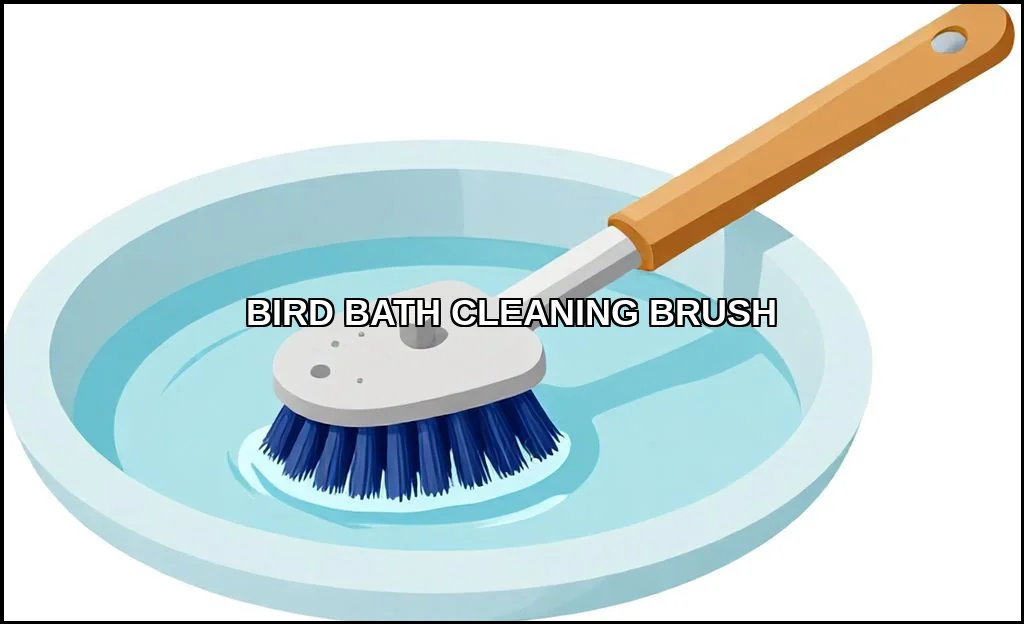
What Makes a Great Bird Bath Cleaning Brush?
Not all brushes are created equal. Choosing the right one depends on your specific bath material and the gunk you’re battling. The core features boil down to a few key elements.
Bristle Stiffness and Material
This is the heart of the scrubber. Bristle stiffness must match your surface. A stiff nylon brush is a powerhouse for algae removal on textured concrete or stone. Softer bristles, or even natural fibers, are mandatory for delicate surfaces like glazed ceramic or painted finishes to prevent scratches. Many quality brushes, from brands like OXO or Fiskars, feature dual-bristle designsstiff for scrubbing, soft for rinsing.
Handle Design and Length
Ergonomics matter. A comfortable, non-slip grip prevents hand fatigue. Handle length is critical for reaching into deep basins or wide pedestal baths without straining your back. A longer handle, often seen on pond cleaning brushes, offers leverage and keeps you cleaner during the process.
Material Safety and Durability
Your bird bath brush should be made of non-toxic materials. This is non-negotiable. You’re cleaning a water source for wildlife. Look for brushes labeled for outdoor use, with rust-proof hardware and UV-resistant materials if left outside. Chemical-free cleaning is a major focus, and the right tool makes it possible.
Your Step-by-Step Guide to a Sparkling Bird Bath
Heres how to clean a bird bath with a brush effectively. Regular cleaning prevents major build-up and is better for the birds. An authority guide from the National Audubon Society recommends frequent scrubbing to prevent disease.
- Empty and Rinse: Dump out the old water. Use a hose to rinse away loose debris and surface algae.
- Apply Cleaner (If Needed): For tough stains or scale, use a dedicated, eco-friendly bird bath cleaner or a simple vinegar solution. Avoid harsh chemicals.
- Scrub Thoroughly: Use your bird bath scrubbing brush with a firm, circular motion. Pay extra attention to the water line and textured areas where biofilm hides.
- Rinse Extensively: This is crucial. Rinse multiple times until all cleaner residue and dislodged grime are gone.
- Refill with Fresh Water: Fill with clean, cool water. Your maintenance is complete.
A common question is how often should you scrub a bird bath? In warm weather, a quick scrub and rinse every 2-3 days is the best practice for health. In cooler months, weekly may suffice.
Comparing Brush Types for Your Specific Bath
Your bird bath material dictates the best brush for cleaning concrete bird bath versus a resin one. Heres a quick comparison.
| Bird Bath Material | Recommended Brush Type | Key Considerations |
|---|---|---|
| Concrete & Stone | Stiff nylon brush, heavy-duty garden cleaning brush | Needs aggressive scrubbing for porous surfaces. A brush with a curved head helps with bowl contours. |
| Ceramic & Glazed | Soft nylon or natural fiber brush | Prevent scratches. A bird bath brush with handle provides control without pressing too hard. |
| Plastic & Resin | Medium-stiff nylon brush | Effective for algae but gentle enough to not scour the surface. Many all-purpose outdoor cleaning tools work well. |
| Solar-Powered | Soft to medium brush, avoid abrasive pads | Protect the solar panel and sensitive electronics. Check manufacturer instructions for brush compatibility with solar bird baths. |
Beyond the Scrub: Maintenance and Pro Tips
Cleaning is one thing. Maintaining your tool and establishing a smart routine is another. Competitors often miss these points.
Caring for Your Cleaning Brush
Don’t just toss a dirty brush in the shed. Rinse it thoroughly after each use and let it air-dry completely to prevent mildew. Consider brush storage solutions like a dedicated hook in your garage or garden cabinet. This extends its life and keeps it ready for action.
Establishing a Seasonal Cleaning Schedule
Adapt your routine to the calendar. A seasonal cleaning schedule is proactive.
- Spring: Deep clean to remove winter debris. Inspect for cracks.
- Summer: Frequent, light scrubs to combat rapid algae growth.
- Fall: Clear leaves and organic matter to prevent clogging and rot.
- Winter: If you use a heated bath, check for ice and mineral buildup more often.
This routine, much like understanding how disease spreads, is about preventative care.
Where to Buy and What to Look For
Wondering where to buy a bird bath cleaning brush? They’re widely available at garden centers, home improvement stores, and online retailers. Look for them in the garden brushes or outdoor maintenance tools sections. Brands like Grillaholics offer specialized kits. Read reviews focusing on durability and ergonomics.
A dedicated bird bath cleaning brush is a small investment with a huge return. It promotes avian health, preserves your garden decor, and simplifies your chores. By choosing the right bristles for your bath material, establishing a consistent cleaning rhythm, and caring for the tool itself, you ensure your garden remains a vibrant, welcoming sanctuary. The birds will thank you for it. Every single day.
