
You want to bring nature closer, but your space is limited. A balcony is a perfect urban oasis, and a bird bath for balcony railing is the key to transforming it. It’s not just about decoration; it’s about creating a vital water source for local wildlife right outside your window.
For apartment dwellers and those with compact decks, a railing mounted bird bath solves the space puzzle. It securely attaches to your existing structure, offering a safe drinking and bathing spot for small birds without sacrificing your precious square footage. Its an urban bird bath solution that works.
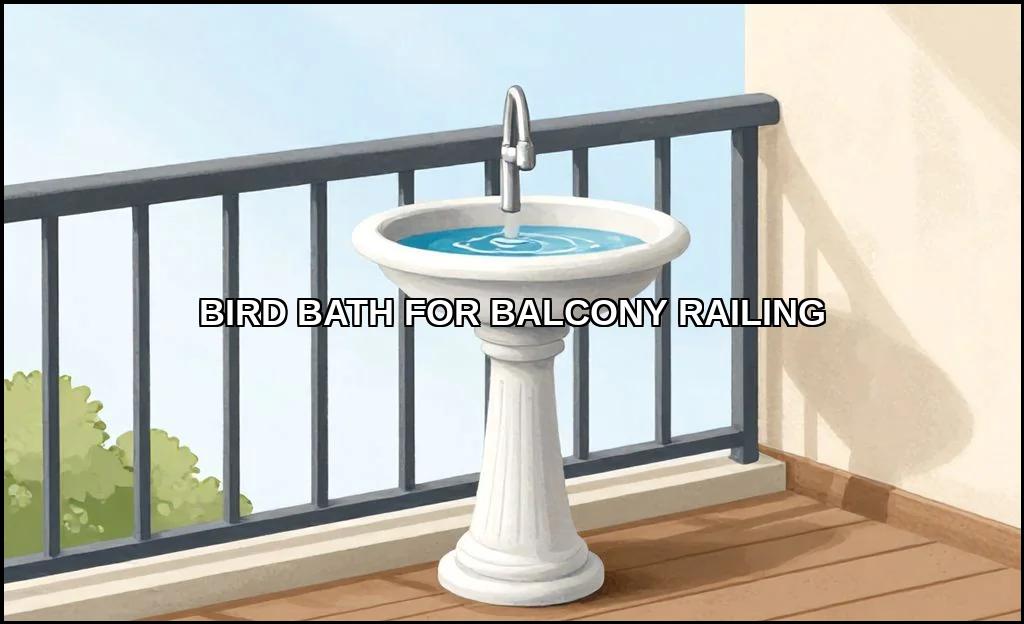
What is a Balcony Railing Bird Bath?
Think of it as a specialized water station designed for vertical living. Unlike traditional pedestal baths, these models are engineered to mount directly onto your balcony, deck, or patio railing. They come in two main styles: clamp-on models that grip the rail with a railing clamp, and hanging versions that dangle from a rail hook or bracket.
This design directly addresses the core needs of city living. It keeps the bath stable in breezy conditions, saves floor space, and often provides a safer, elevated vantage point for birds to watch for predators. Whether you call it a deck railing mounted bird bath or an apartment balcony bird waterer, the function is beautifully simple.
A Top Performer for Easy Setup
If you’re looking for a reliable starting point, the Hanizi Bird Bath is a standout choice that checks many boxes for beginners. It features a straightforward clamp system for easy installation on most railings and a shallow, textured basin perfect for small birds. Its popularity stems from a practical, no-fuss design that gets the job done.
Key Features to Look For in a Railing Bath
Not all balcony bird baths are created equal. The right features make the difference between a seasonal delight and a maintenance headache. Focus on these elements.
- Secure Mounting System: This is non-negotiable. Look for adjustable, heavy-duty clamps or brackets. For renters, a bird bath that attaches to railing without screws is a game-changer, offering stability without permanent alteration.
- Drip-Free Design: A good drip-free design prevents water from running down your railing and onto your neighbor’s balcony below. This often involves a lipped edge or a specially shaped basin.
- Easy-Fill Reservoir: An easy-fill reservoir or a shallow, removable basin makes routine maintenance simple. You shouldn’t need a step stool and a watering can to refill it daily.
- Material Durability: The material must withstand sun, water, and temperature swings. We’ll dive deeper into materials next.
Brands like Aspects and Songbird Essentials often excel in these engineering-focused features, prioritizing function for serious bird enthusiasts.
Top Mounting & Installation Methods
How you attach the bath is as important as the bath itself. Your method depends on your railing type (metal, wood, composite) and your willingness to make permanent changes.
1. The Clamp-On Method (No-Drill)
This is the most popular choice for a reason. It uses a threaded screw mechanism to tighten a sturdy clamp around the railing. Its ideal for metal and wood rails, offers excellent stability, and leaves no marks when removed. Perfect for answering the query how to install a bird bath on a balcony railing without tools.
2. The Hanging Method
A classic hanging bird bath suspended from a shepherd’s hook or a bracket mounted on the railing post. This method offers flexibility in height and can be easier to refill. However, it may sway more in wind, which can deter some birds.
3. Deck-Mounted (Semi-Permanent)
Some deck bird bath models use a base plate that screws directly into the top of a wooden railing. This is the most secure option but involves drilling. It’s best for homeowners who want a permanent fixture.
Regardless of method, always ensure the installed bath is level and can hold weight without tipping. A startled bird landing can be surprisingly forceful.
Material Guide: Plastic, Ceramic, Metal
The material dictates longevity, safety, and maintenance. Heres a quick comparison to guide your choice.
| Material | Pros | Cons | Best For |
|---|---|---|---|
| UV-Stabilized Plastic | Lightweight, affordable, often frost-resistant. Easy to clean. Won’t crack in freeze-thaw cycles. | Can fade over time. May feel less premium. | Best small bird bath for apartment balcony; great for beginners and winter climates. |
| Ceramic/Glazed Clay | Beautiful, natural look. Stays cooler in sun. Heavy and stable. | Can crack in freezing temps. Very heavy. Often more expensive. | Homeowners in mild climates who prioritize aesthetics. |
| Metal (Copper, Powder-Coated Steel) | Durable, elegant aging (copper). Naturally deters algae. | Can get very hot in direct sun. May rust if coating chips. Heavier. | Decorative patio bird bath settings with partial shade. |
For a true winter safe bird bath for balcony railing, UV-stabilized plastic or certain metals designed for cold weather are your safest bets. Always check the product specifications for temperature ratings. For extended winter use, you might consider one of the best heated bird baths designed for railings.
Choosing the Right Size & Space Considerations
A small space bird bath doesn’t mean ineffective. In fact, small birds like finches, sparrows, and chickadees prefer shallow waterno more than 2 inches deep at the center. A basin 12-16 inches in diameter is perfect for an urban setting.
Consider the “splash zone.” Place the bath a few feet away from your seating area or walls to keep them dry. Also, position it within a few feet of a plant or railing perch so birds can approach cautiously. This thoughtful placement turns your setup into a genuine bird-friendly balcony. For a comprehensive guide on creating a holistic habitat, the Audubon Society offers an excellent authority guide on bird-friendly balconies.
Local Guests & Water Conservation
Who will visit? In most urban areas, you’ll attract house sparrows, finches, mourning doves, and maybe a brave cardinal. A small, clean bath is a powerful magnet. To conserve watera key missing entity in competitor contentonly fill the bath with what birds will use in a day or two. In hot weather, a shallow fill evaporates quickly but is replenished daily, preventing stagnation.
Essential Maintenance & Bird Health Tips
Maintenance is critical for bird health. Stagnant water breeds mosquitoes and can spread disease. A simple routine keeps your avian visitors safe.
- Daily: Refresh the water. Dump out old water and give the basin a quick rinse.
- Weekly: Perform a deep clean. Scrub the basin with a solution of one part white vinegar to nine parts watera effective, non-toxic DIY cleaning solution. Rinse thoroughly.
- Seasonally: Inspect the mounting hardware for rust or wear. Store ceramic baths indoors if freezing is expected.
Keeping the bath clean is one of the most responsible things you can do. It helps prevent the spread of ailments, much like understanding how disease does affect wild populations informs broader conservation efforts. Always wear gloves when cleaning.
Deterring Unwanted Visitors
Squirrels and larger birds might try to monopolize the bath. A small, lightweight bath naturally deters heavier animals. Some models, like those from KettleMor, feature clever weight-activated mechanisms or slippery surfaces. Location is also a deterrent; a bath on a smooth metal railing is harder for squirrels to access than one near a climbing plant.
Your balcony railing is more than a safety barrier. It’s a potential lifeline for urban wildlife and a front-row seat to nature’s small dramas for you. By choosing a bath with a secure railing clamp, a drip-free design, and frost-resistant materials, you invest in seasons of enjoyment. Start small, maintain it well, and watch your compact outdoor space become a thriving micro-habitat. The splash of a bird taking its first bath is a reward no garden, however small, should be without.
