
You’ve probably seen the classic concrete pedestal bird bath in a neighbor’s garden. It’s a lovely sight, but have you ever noticed which birds actually use it? For our local, native birdsthe hummingbirds, finches, and chickadees that evolved in your specific ecosystemthat standard bath might as well be a swimming pool. They need something tailored.
Creating a specialized wildlife water source is about more than decoration. It’s about supporting your local backyard bird habitat. A proper bird watering station can be a lifeline, especially during summer droughts or freezing winters. And if you’re keen to observe the action up close, many enthusiasts pair their setup with a Bird Feeder Camera. It lets you watch the daily drama of bathing and drinking from your phone, without disturbing a single feather.
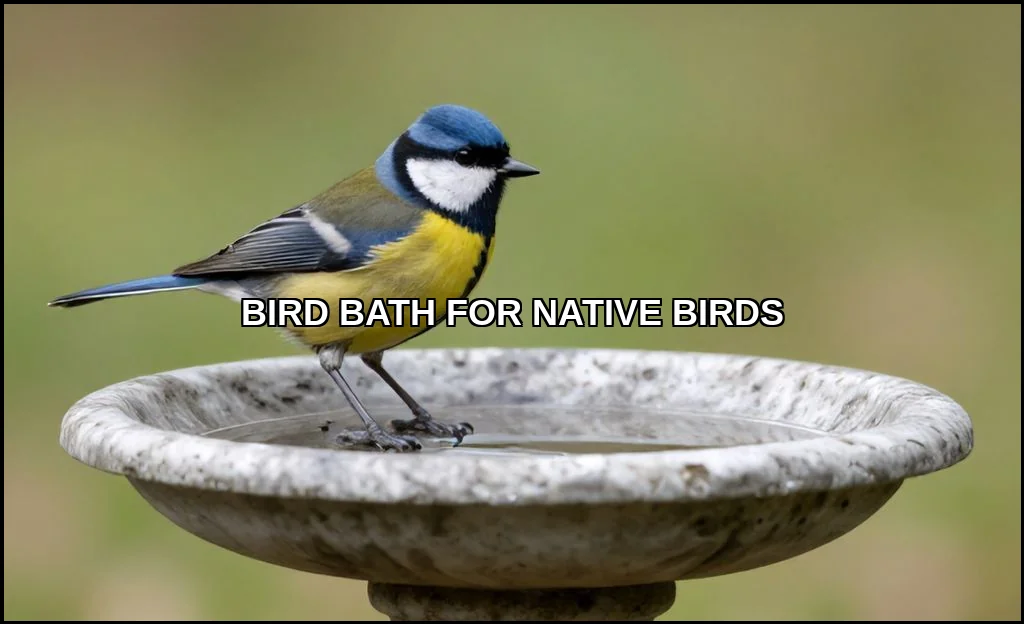
Why Native Birds Need Specialized Baths
Not all birds bathe the same. An American Robin will splash vigorously in a few inches of water, while a tiny Black-capped Chickadee might just dip its toes. Native species have specific behaviors and physical needs. A deep, slippery basin is intimidating and dangerous for small birds. They seek safety and accessibility.
Beyond thirst, water is for preening. Clean feathers are critical for insulation and flight. A dedicated avian bath also attracts species that may not visit feeders, like insect-eating warblers. It becomes a hub of activity. However, a poorly maintained bath can do more harm than good, potentially spreading disease. Understanding this responsibility is key. For instance, knowing how disease spreads does inform better hygiene practices.
Regional Considerations and Water Quality
Your local birds vary by region. In the Southwest, you might cater to Verdins and Cactus Wrens. In the Northeast, it’s the Northern Cardinal and Tufted Titmouse. Check resources for a native species list by your USDA hardiness zone. This informs everything from bath size to placement.
One major oversight is water quality. Tap water often contains chlorine and, in some areas, heavy metals. These can be harmful over time. Letting water sit for 24 hours allows chlorine to dissipate. For a safer approach, use collected rainwater or filter your tap water. It’s a simple step for a healthier garden bird bath.
Essential Design Features for Native Species
Forget the one-size-fits-all approach. The right design invites birds in and lets them feel secure.
Depth and Texture Are Everything
The single most important feature is shallow depth. A gradual slope from a depth of 0 inches at the edge to no more than 2-3 inches in the center is perfect. This allows everything from a Mourning Dove to a Goldfinch to bathe comfortably. A textured surface is equally critical. Smooth glass, glazed ceramic, or slick plastic are slippery hazards. Opt for concrete, rough resin, or sand-textured finishes that provide grip.
Product categories to consider include:
- Pedestal Bird Baths: Classic, but choose models with a shallow, textured bowl.
- Ground-Level Basins: Excellent for ground-feeding birds like sparrows and towhees. They mimic natural puddles.
- Hanging Baths: Great for smaller birds like finches; they feel safer off the ground.
The Magic of Moving Water
The sound and sight of moving water is an irresistible attractant. It signals freshness and oxygen content. You don’t need a massive waterfall. A simple bird bath dripper or a small bird bath fountain pump works wonders. Solar-powered options are increasingly popular, making a solar bird bath a sustainable, cord-free solution. The gentle ripple is a dinner bell for the avian community.
Strategic Placement for Safety and Attraction
Where you put your bath is as important as its design. It’s a balance between visibility for you and security for the birds.
Creating a Safe Zone
Predator protection is non-negotiable. Place baths about 5-10 feet from dense shrubs or brush piles. This provides an escape route from hawks or cats, but isn’t so close that ambush predators can hide. Avoid placing baths directly under feeders, as falling seed and droppings will foul the water quickly.
For specific guides, like where to place a bird bath for hummingbirds, think dappled sunlight near nectar-rich flowers. They prefer baths with misters or very shallow surfaces, often while perched on the rim. The Audubon Society offers an excellent authority guide on summer hydration strategies.
Microclimate Matters
Place baths in a spot that gets partial sun. Full sun all day accelerates algae growth and evaporation. Full shade can make the water too cold and promote moss. A location with morning sun and afternoon shade is often ideal. For winter, a bird bath heater is a game-changer, ensuring liquid water year-round. We’ve reviewed some of the best options for harsh climates.
Step-by-Step Maintenance and Hygiene
A clean bath is a safe bath. Stagnant, dirty water is a breeding ground for mosquitoes and bacteria like avian salmonella.
The Cleaning Routine
You should refresh the water and scrub the basin every 2-3 days, daily in hot weather. Heres a simple routine:
- Empty all old water onto your plants (it’s great fertilizer).
- Scrub the basin vigorously with a stiff brush. Avoid soaps and chemicals. Use a dedicated bird bath cleaner or a solution of one part white vinegar to nine parts water.
- Rinse thoroughly several times to remove all residue.
- Refill with fresh, clean water.
For those wondering how to keep a bird bath clean naturally, consider adding a small piece of copper tape to the basin (copper inhibits algae) or using barley straw pellets. But remember, these are supplements, not replacements for physical scrubbing.
Disease Prevention
Be vigilant. If you see a bird that appears sick (lethargic, puffed up, with crusty eyes), take the bath offline immediately. Clean and disinfect it with a 10% bleach solution, rinse exhaustively, and let it dry completely for a few days before reinstating it. This helps prevent the spread of avian pox and other contagions.
Top Recommended Products and DIY Options
From premium purchases to simple homemade solutions, you have many paths to a perfect bird bath.
Curated Commercial Picks
Several brands excel in thoughtful design. Aspects makes durable, functional baths with textured surfaces. Songbird Essentials offers excellent drippers and misters to add movement. Heath Outdoor Products has robust heated models. When searching for the best bird bath for small native birds, look for models specifically labeled “shallow” or “for small birds.” A shallow bird bath with a grippy surface is always the right starting point.
| Product Type | Best For | Key Feature |
|---|---|---|
| Textured Pedestal Bath | Robins, Cardinals, general use | Stable, classic aesthetic, good visibility |
| Ground-Level Stone Basin | Sparrows, Towhees, thrushes | Natural look, easy access for ground feeders |
| Hanging Saucer with Dripper | Finches, Chickadees, Hummingbirds | Moving water, safety from ground predators |
| Solar Fountain Basin | All species, high-attraction zones | Self-powered water movement, continuous fresh water |
Simple and Effective DIY
You can create an ideal bath with items from a garden center. Use a large, shallow terracotta plant saucer (the textured kind). Place it directly on the ground on a bed of sand or gravel for stability, or set it on a stack of flat stones to create a pedestal. Add a few clean, flat stones in the middle to create islands of varying depth. It’s inexpensive, perfectly shallow, and you can customize the look.
The goal is simple: provide a safe, reliable, and clean water source. It’s not about having the most ornate fixture in the neighborhood. It’s about observing the specific needs of the birds that live around you and meeting them with thoughtful design and consistent care. Start with a shallow, textured basin, add a trickle of moving water, keep it scrupulously clean, and watch your backyard transform. The splash of a bathing bird is a sign you’ve gotten it right.
