You fill your bird bath with fresh water, hoping to attract colorful visitors. But within days, the water turns cloudy. Algae forms a green film. You wonder: what can I safely add to keep it clean?
This is the core dilemma for any bird lover. The goal is pristine bird bath water quality without introducing toxins. The wrong additive can harm the very creatures you’re trying to help. Let’s cut through the confusion and find truly safe solutions.
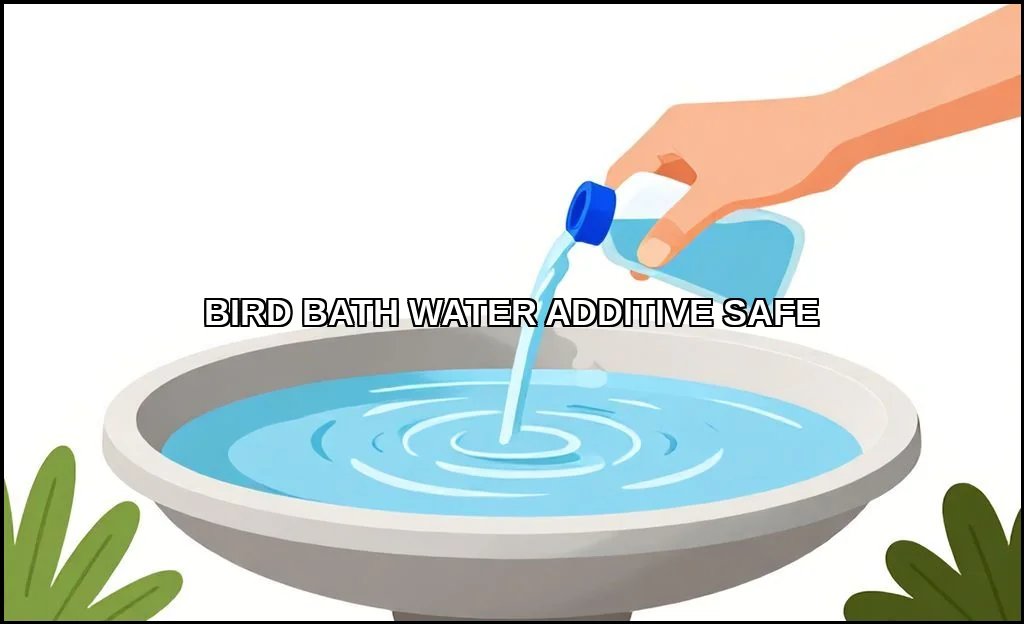
Bird Bath Water Safety: A Delicate Balance
Think of a bird bath as a tiny, shared ecosystem. Birds drink from it and bathe in it, preening their feathers to maintain vital insulation. Introducing harsh chemicals disrupts this system. It can damage their sensitive respiratory systems, cause skin irritation, or be ingested with fatal consequences.
Proper bird bath sanitation isn’t about sterilization. It’s about managing organic matterbird droppings, pollen, algaewithout poison. The ideal is a non-toxic bird bath environment that supports bird bath hygiene naturally. For a simple, effective tool that aids in this, many enthusiasts start with a well-designed basin. A product like the Bird Bath & provides a solid foundation for easy cleaning and maintenance.
Why pH and Beneficial Bacteria Matter
Here’s a nuance many guides miss: water’s pH balance. Birds are adapted to natural, often slightly acidic water sources like rain. Harsh alkaline cleaners can irritate. a missing entity in many discussions is beneficial bacteria additives. These are avian-safe products that use enzymes and bacteria to break down waste organically, outcompeting algae. They’re a proactive approach to bird bath water treatment.
Harmful Chemicals to Avoid in Bird Baths
This list is non-negotiable. Never use these in or near a bird bath you intend for wildlife.
- Bleach & Chlorine: These are potent disinfectants that leave residues. They can burn birds eyes and digestive tracts. Always opt for a chlorine-free approach.
- Algaecides with Copper Sulfate: While sometimes used in ponds, copper is toxic to birds in concentrated forms found in many commercial algaecides.
- Soaps and Detergents: They strip essential oils from feathers, destroying waterproofing and insulation. A bird with soapy feathers can freeze.
- Chemical “Pond Cleaners”: Unless explicitly labeled safe for avian wildlife, assume they are not. They often contain herbicides or strong clarifiers.
Remember, what keeps a patio clean can be a death sentence for a chickadee. This principle of avoiding toxins is as important for their habitat as understanding how a disease like avian influenza does affect their populations.
Safe & Natural Cleaning Alternatives
Nature provides the best tools for maintaining a wildlife safe additive environment. Here are proven, effective methods.
The Power of Vinegar and Scrubbing
So, is vinegar safe for bird bath water? Absolutely, as a cleaning agentnot as a permanent additive. A solution of one part white vinegar to nine parts water is a superb bird bath cleaning solution. Scrub, rinse thoroughly, and refill. The acidity breaks down mineral deposits and algae without toxic fumes or residue.
Enzyme Cleaners and Natural Stone Products
This is where specific product categories shine. Brands like Scrubbird offer enzyme cleaners designed for this exact purpose. They use natural bacteria to digest waste. For stone bird baths, seek out natural stone cleaners that are pH-neutral and biodegradable. These are true avian safe cleaner options.
Physical and Mechanical Solutions
Sometimes the best additive is a tool or a process.
- UV Sterilizers: A missing entity worth considering for dedicated setups, especially bird bath fountains with pumps. A submersible UV clarifier uses light to kill free-floating algae cells without chemicals.
- Frequent Water Change: The simplest “treatment.” Dump and refresh water every 1-2 days. It prevents mosquito larvae and algae from gaining a foothold.
- Scrubbing Brushes: A stiff brush is your first line of defense. Regular agitation prevents biofilm formation.
Step-by-Step Bird Bath Maintenance Guide
Heres your routine for a pristine, safe bath. This answers the core question: how to clean bird bath without harming birds.
Daily & Weekly Tasks (The Prevention Plan)
- Refresh Water Daily: Empty the bath, give it a quick rinse, and refill with fresh water. This is the single most effective practice.
- Weekly Scrub-Down: Once a week, do a thorough clean. Use your vinegar solution or an avian-safe commercial cleaner. Scrub all surfaces to remove algae and droppings.
- Rinse, Rinse, Rinse: This step is critical. Rinse the bath multiple times after cleaning to ensure no cleaner residue remains.
The Deep Clean (Monthly or As Needed)
For stubborn stains or heavy algae blooms, you might need a safe bird bath algae remover.
- Empty the bath completely.
- Create a stronger paste of baking soda and water, or use a dedicated enzyme soak.
- Apply, let sit for 15 minutes, then scrub vigorously.
- Rinse until water runs completely clear.
- Refill with fresh, clean water.
For year-round care, this maintenance routine is as vital in summer as choosing the right equipment is in winterlike selecting one of the best heated bird baths for colder months.
FAQs About Bird Bath Additives
Can I use apple cider vinegar instead of white vinegar?
Stick with white vinegar. It’s clear, less fragrant, and won’t attract insects with a sugary scent. The cleaning acetic acid is the same.
What about a drop of dish soap in an emergency?
Resist the urge. Even a small amount is hard to rinse completely and can compromise feather integrity. A quick vinegar scrub and thorough rinse is always better.
Are commercial “bird bath cleaners” from garden centers safe?
Check the label meticulously. Look for non-toxic, biodegradable, and “safe for birds and wildlife” claims. Brands like Kaytee or those sold at Wild Birds Unlimited often formulate with safety in mind. When in doubt, a natural alternative is safer.
How do I prevent mosquitoes without chemicals?
Change the water every 48 hoursmosquitoes need still water for 3-7 days to breed. Adding a bird bath fountain or agitator also keeps water moving, which they avoid. For a comprehensive bird bath disinfectant and maintenance approach, the National Audubon Society offers an excellent authority guide that aligns with these principles.
Is hydrogen peroxide a safe bird bath algae treatment?
In very dilute solutions (3% peroxide, heavily diluted with water), it can be used occasionally as an oxidizing cleaner. However, it must be rinsed extremely thoroughly. For consistent bird bath maintenance safe for birds, vinegar and scrubbing are simpler and carry less risk of residue.
The health of your backyard birds hinges on the choices you make at the water’s edge. It boils down to this: prioritize physical cleaning and natural acids over chemical cocktails. Embrace frequent water changes as your primary tool. When you do seek a product, let “avian-safe” and “non-toxic” be your non-negotiable filters. A clean bird bath should be a sanctuary, not a hazard. Your feathered visitors will thrive on the simplicity of fresh, clean water and your conscientious care.
