
Choosing a bird cage is more than picking a box with bars. It’s about designing a home. A cage with multiple perches and feeders isn’t a luxury; it’s the foundation for your bird’s physical health and mental well-being. It transforms a simple enclosure into a dynamic avian habitat where your feathered friend can eat, play, and explore on different levels.
Think of it as interior design for birds. The right setup encourages natural behaviors like climbing and foraging. It prevents boredom, a common cause of feather plucking and stress. For a project focused on enrichment, many avian enthusiasts recommend the Prevue Pet Products line. Their designs often incorporate thoughtful features that make setting up a stimulating environment much easier.
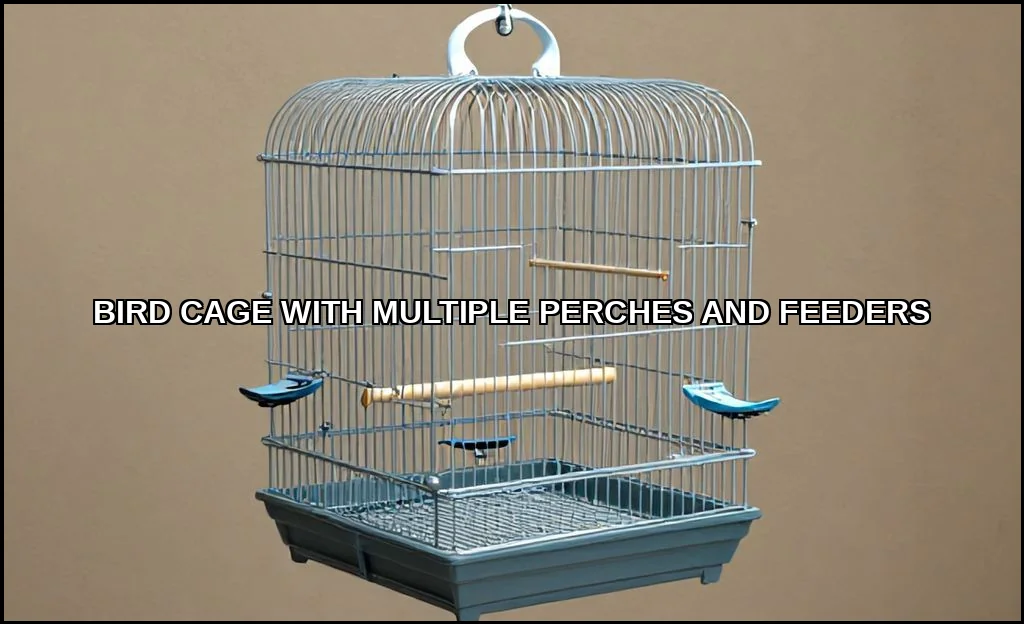
Key Features to Look For in a Multi-Perch & Feeder Cage
Not all cages are created equal. A great large bird cage or a spacious flight cage for smaller birds should offer more than just square inches. You need to assess the features that directly impact daily lifeyours and your bird’s.
Design for Health and Enrichment
The core purpose of multiple perches and feeders is enrichment. A multi-level bird cage with varied perch diameters exercises foot muscles and prevents arthritis. Include natural wood branches alongside standard perches. Feeders shouldn’t be an afterthought. Look for a cage with feeding stations at different heights to mimic natural foraging.
Don’t forget the toys. Integrating bird cage toys at various levels keeps minds active. This is where a playtop becomes invaluable. It’s a dedicated activity zone outside the main enclosure, perfect for supervised play and bonding time.
Construction and Practicality
Durability is non-negotiable, especially for parrots. Powder-coated steel is the industry standard for strength and safety. Bar spacing is criticaltoo wide, and a smaller bird like a cockatiel or conure could get stuck. Always check the manufacturer’s species-specific weight limits, a detail often overlooked.
- Easy clean cage features: A deep removable tray and full-width doors are lifesavers.
- Seed guard: This simple mesh skirt around the cage bottom contains mess dramatically. Essential for keeping hulls and feathers off your floor.
- Stability: A sturdy bird cage stand with wheels offers height and mobility for cleaning and relocation.
Top Product Recommendations & Comparisons
Let’s look at some popular categories and brands. Remember, the “best” cage depends entirely on your bird’s species, personality, and your available space.
Flight Cages vs. Playtop Cages
Flight cages, like many from Yaheetech, prioritize horizontal space for flying. Ideal for finches, parakeets, and smaller birds who love to zoom. Playtop cages, a signature of brands like Prevue Hendryx and Mcage, add vertical territory. The playtop acts as a second story for play.
For a large parrot cage with playtop and food bowls, you’re investing in a major piece of furniture. These units often include built-in food and water cup holders on the playtop, integrating feeding into playtime.
| Feature | Flight Cage (e.g., for Finches) | Playtop Cage (e.g., for Conures) |
|---|---|---|
| Primary Design | Long & wide for flight paths | Tall with external activity area |
| Best For | Small, active flyers | Medium/large birds needing supervised out-of-cage time |
| Enrichment Focus | Internal horizontal space | Internal levels + external play gym |
Standing Cages and Brand Notes
Standing cages come with their own integrated stand, often with storage. This is a clean, all-in-one solution. When comparing brands, Prevue Hendryx is renowned for quality and thoughtful design. Yaheetech offers great value, while Mcage provides robust options for larger species.
Your choice for the best bird cage with multiple perches for cockatiels might be a mid-sized playtop model. Cockatiels enjoy climbing but also appreciate a dedicated spot to perch and whistle outside their main home.
Setup Guide & Maintenance Tips
You’ve bought the perfect bird enclosure with perches. Now, make it a home. Proper setup is what turns hardware into a habitat.
How to Set Up a Cage with Multiple Feeders
- Placement First: Position the cage in a socially active part of your home, but away from direct sun, drafts, and the kitchen (fumes from non-stick cookware can be fatal to birds). Consider cage placement for mental healthbirds are flock animals and need to feel part of the family.
- Perch Layout: Install perches at varying heights, ensuring none are directly above food or water bowls to avoid contamination. Place the thickest perch highest, as birds prefer sleeping there.
- Feeder Strategy: Use multiple food and water stations. Place one set of dishes at a familiar, easy-to-access spot. Put another, perhaps a foraging toy feeder, on the opposite side to encourage movement. This is key for a cage with feeding stations.
- Accessorize: Add swings, ladders, and shreddable toys between perches to create a “jungle gym” effect. Need inspiration? You can learn how to decorate a birdcage for any season safely.
Keeping It Clean and Safe
An easy clean cage only stays easy if you maintain a routine. Line the removable tray with newspaper or cage liner for quick daily changes. Wipe down perches and bars weekly with a bird-safe cleaner. A monthly deep-clean, where you wash all bird cage accessories and the entire cage structure, prevents bacterial buildup.
Check for wear and tear on toys and perches regularly. Frayed ropes or splintered wood need immediate replacement. Consider UV lighting compatibility if your bird doesn’t get regular, safe exposure to natural sunlight; specialized avian UV bulbs can be mounted near the cage.
FAQs: Choosing the Right Cage
How big is big enough?
The cage should be wide enough for your bird to fully stretch and flap its wings without touching the sides. For most parrots, taller is better for climbing. An official source like the Audubon Society guide offers excellent, species-specific advice on minimum dimensions. When in doubt, always go larger.
Are seed guards really necessary?
Yes, if you value your sanity and clean floors. A seed guard is a simple mesh net that attaches to the cage’s exterior bottom. It catches about 90% of the discarded seed hulls, feathers, and food debris that would otherwise scatter around the room. It’s one of the most practical bird cage accessories you can buy.
What’s the benefit of a playtop?
A playtop provides a designated “out-of-cage” area that’s still secure. It encourages your bird to exit the main enclosure for play and interaction, which is vital for socialization. It also gives you a controlled space to offer treats and train. For many, it’s the defining feature of a modern parrot cage.
Can I use any toys and perches?
No. Safety is paramount. Avoid toys with small, easily swallowed parts, loose strings, or toxic materials (like some cheap metals or dyed woods). Natural wood perches from bird-safe trees (manzanita, dragonwood) are superior to plain dowel perches. They provide texture variation that’s healthy for feet. For more ideas on safe, engaging setups, explore our picks for the best monitored habitats which often highlight innovative enrichment.
Selecting a bird cage with multiple perches and feeders is an investment in your bird’s quality of life. Its about providing choiceswhere to eat, where to rest, where to play. Focus on sturdy construction, thoughtful features like a removable tray and seed guard, and a layout that promotes activity. Your reward will be a happier, healthier, and more engaged companion whose vibrant life is on full display in a home you thoughtfully built together.
