
25 Festive Ways to Decorate a Birdcage for Christmas
Contents
You found a vintage birdcage at a flea market last summer, and it’s been sitting in the garage ever since. Or maybe you bought one on a whim because it looked charming, and now you’re staring at it wondering what to do with it before the holidays. You’re not alone. A bare birdcage reads as dusty and sad, but with the right materials and a bit of planning, it becomes the most talked-about piece in your holiday decor.
This guide walks you through 25 festive ways to decorate a birdcage for Christmas, covering everything from sourcing a cheap cage to lighting it safely, filling it with ornaments, and storing it so it lasts for years. You’ll learn how to treat the cage as architecture—using its bars, door, and dome as design elements—rather than just stuffing it with filler. You’ll also get practical answers on pet safety and storage that most decorating articles skip entirely.
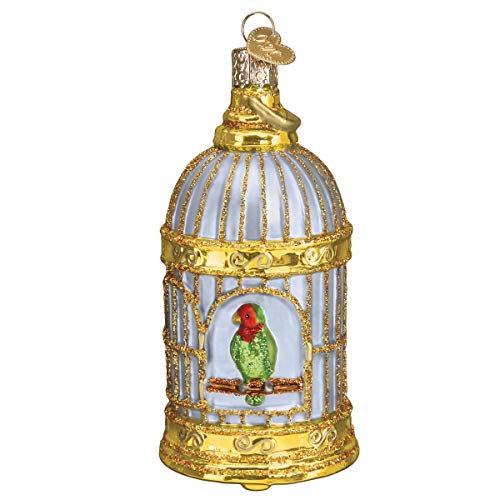
Old World Christmas
Old World Christmas Vintage Bird Cage
- HAND-CRAFTED: Our Christmas Ornaments have been hand-crafted using age-old traditions that originated in the 1800s to bring you th…
- DECORATIVE: Our Vintage Bird Cage ornament will add a beautiful, elegant touch to any Christmas tree or to accent the decorations…
- GIFT: This Vintage Bird Cage ornament is a perfect present for the holidays
If you want a ready-made option that requires zero assembly, the Old World Christmas Vintage Bird Cage ornament is a hand-blown glass piece that captures the same vintage charm in miniature. It’s perfect for hanging on the tree or tucking into a larger display, and it saves you the trouble of hunting down a full-size cage.

Why a Birdcage is the Ultimate Christmas Statement Piece
A birdcage works because it’s a self-contained frame. You don’t need to arrange a whole mantel or sideboard—the cage itself defines the space. It draws the eye upward with its dome, and the open bars let you layer materials inside without hiding the structure.
Think of it like a terrarium for the holidays. You’re building a tiny world inside a metal skeleton, and the skeleton is part of the art. That’s what separates a decorated birdcage from a pile of ornaments on a table.
Another reason it works: versatility. A small cage fits on a nightstand or bathroom shelf. A large one anchors a dining table or entryway floor. You can hang it from a ceiling hook, a shepherd’s hook in the garden, or a curtain rod. It works indoors and out, which is rare for holiday decor.
Sourcing and Prepping Your Birdcage (Thrift Flips & Dollar Store Hacks)
You don’t need to spend a fortune on a fancy cage. Thrift stores and estate sales are goldmines for vintage birdcages, often priced under $20. Look for cages with intact bars and a working door—rust is fixable, but broken welds are a headache.
Dollar stores sell small wire birdcages in their craft section, usually around 8 to 12 inches tall. These are perfect for tabletop displays or grouping three together at different heights. They’re flimsy, but you’re not housing a bird, so that’s fine.
If you can’t find a real cage, get creative. A tomato cage flipped upside down and wrapped in twinkle lights looks surprisingly like a birdcage silhouette. A wire plant stand with a dome-shaped trellis works too. Spray-paint it white, black, or gold, and nobody will know the difference.
Before you decorate, clean the cage. Wipe down the bars with a damp cloth and mild soap. If there’s rust, sand it lightly and apply a metal primer. Then spray-paint with a color that matches your theme—matte black for rustic farmhouse, white for a snowy look, or copper for warmth. Let it dry completely for 24 hours before handling.
What to Look For When Buying Used
- Bar spacing: If you plan to hang small ornaments, make sure the gaps are wide enough to hook them in. Quarter-inch spacing is tight; half-inch is easier.
- Door mechanism: Test that the door opens and closes smoothly. A stuck door ruins the effect when you try to place items inside.
- Base stability: The cage should sit flat. If it wobbles, you’ll need to add felt pads or a wooden base.
Choosing a Theme: Traditional, Whimsical, or Rustic Farmhouse
Your theme determines every material you pick, so decide before you buy anything. Here are three directions that work well, with specific palettes and textures for each.
Traditional Red and Green
Use classic Christmas colors: deep red, forest green, and gold. Fill the cage with red berries, green pine sprigs, and gold ribbon bows. Add small glass ornaments in matching shades. The result feels familiar and cozy, like a scene from a vintage Christmas card.
Whimsical Pastel or Snow Queen
Go light and airy with white, silver, and pale blue. Use faux snow, silver tinsel (careful if you have pets), and white glittered pinecones. Add tiny ice-skate ornaments or miniature snowmen. This theme works beautifully in a bedroom or bathroom where you want a softer touch.
Rustic Farmhouse
Think burlap, wood, and neutral tones. Use dried orange slices, cinnamon sticks, and natural pinecones. Wrap the bars with twine or a plaid ribbon. Add a small wooden sign that says “Merry Christmas” or leave it unlabeled for a simpler look. This style pairs well with a galvanized metal base or a wooden tray underneath.
The Foundation: Layering Faux Snow, Moss, and Greenery
Start from the bottom and work up. The base of the cage is your canvas, and it needs texture before you add ornaments.
Faux snow comes in two forms: loose granules and spray-on. Loose granules look more realistic but can shift when you move the cage. Spray-on snow adheres to the bars and base, giving a frosted effect that stays put. For a hybrid approach, spray the bottom tray lightly, then sprinkle loose snow on top while it’s still wet.
Moss is another great base layer. Sheet moss from a craft store covers the floor of the cage and hides any ugly tray. It also provides a natural contrast to shiny ornaments. Use a hot glue gun to secure it to the tray, but let it cool before placing anything on top.
Greenery fills the vertical space. Start with a few long sprigs of faux pine or eucalyptus placed diagonally from the base toward the top. Then add shorter sprigs around the edges to create a full, rounded shape. Don’t overcrowd—you want to see the cage bars through the foliage.
One trick: use floral wire to attach greenery to the cage bars. This keeps everything stable and lets you adjust the arrangement without making a mess.
Lighting It Up: Fairy Lights vs. Candle Safety
Lighting transforms a birdcage from a static display into a glowing centerpiece. But you need to be careful, especially with a metal cage and flammable materials inside.
Battery-Operated Fairy Lights
These are your safest bet. They produce negligible heat, so you can wrap them around the bars, drape them through the greenery, and tuck them under moss without worry. Look for warm white or cool white depending on your theme. Copper wire lights are thinner and easier to hide than plastic-coated ones.
Battery packs are the catch. They’re bulky and need to sit somewhere unobtrusive. Tuck the pack under the base tray or behind the cage. If the cage is hanging, you can tape the pack to the top hook and run the wire down. Check the battery life before you display it—nothing kills a dinner party vibe like lights dying at 7 p.m.
Real Candles
Real flames inside a birdcage are risky. The metal bars conduct heat, and if you have dried greenery or paper ornaments nearby, they can ignite. If you insist on a real candle, use a short votive in a glass holder, place it on the base tray with at least 3 inches of clearance on all sides, and never leave it unattended. Honestly, the risk isn’t worth it when LED candles look so convincing now.
LED Candles
Flameless LED candles are the sweet spot. They flicker realistically, last for weeks on two AA batteries, and produce zero heat. Choose ones with a warm amber glow to mimic real candlelight. Place them on the base tray and surround them with greenery for a cozy, safe glow.
Filling the Cage: Ornaments, Pinecones, and Dried Citrus
Now for the fun part. The interior is where your personality shows. Here are 25 specific ideas, broken into categories, that you can mix and match.
Ornaments and Baubles
- Hang small glass balls in a single color from the bars using ornament hooks.
- Cluster three miniature nutcrackers at the base.
- Add a vintage-style Santa figurine, sitting or standing.
- Hang tiny wooden snowflakes from the dome.
- Use a mix of matte and shiny ornaments for texture contrast.
- Tuck a small angel ornament near the top, as if it’s looking down.
- Thread a string of mini pom-poms through the bars for a playful touch.
- Add a few wooden bead garlands draped over the greenery.
Natural Elements
- Place 3-5 pinecones in the base, varying sizes.
- Add dried orange slices—they smell amazing and look rustic.
- Use cinnamon sticks tied with twine and leaned against the bars.
- Scatter star anise pods for a subtle, spicy scent.
- Add a few sprigs of dried lavender for a soft, non-Christmas touch.
- Use a small bunch of red berries, either faux or fresh.
Miniature Scenes
- Build a tiny winter scene with a miniature sled and a small bottlebrush tree.
- Place a small mirror at the base to create the illusion of ice.
- Add a tiny wooden sign that says “Noel” or “Joy.”
- Set a miniature bird (not real) on a perch inside the cage.
- Create a “snow globe” effect with a clear glass dome inside the cage.
Textural Fillers
- Use cotton batting as a snow base instead of faux snow granules.
- Wrap a strand of chunky yarn around the bars.
- Add a velvet ribbon bow at the top of the dome.
- Hang a single large jingle bell from the center.
- Place a small stack of vintage books at the base.
Pick 5-7 ideas from this list, not all 25. Overcrowding is the most common mistake. Leave empty space so the cage structure remains visible. Think of it as a curated vignette, not a stuffed stocking.
Creating a Tabletop Centerpiece That Wows
A birdcage centerpiece anchors the dining table or sideboard. The key is scale. Measure your table first. A cage that’s too tall blocks sightlines across the table; one that’s too short gets lost among plates and glasses.
For a standard 6-foot dining table, a cage 12 to 18 inches tall works well. Place it on a wooden cake stand or a stack of vintage books to add height without making the cage itself taller. Surround the base with a ring of fresh greenery, pinecones, and a few votive candles (LED or real, your call).
For a sideboard or buffet, you can go bigger. A 24-inch cage makes a statement. Fill it with a mix of large ornaments and tall greenery sprigs that extend above the dome. Add a string of fairy lights wrapped around the bars for evening glow.
One trick that always impresses: place a small mirror under the cage. It reflects the lights and makes the whole display feel larger. A round mirror, about 10 inches in diameter, fits neatly under most cages.
Hanging Birdcages for Vertical and Mantel Displays
Hanging a birdcage opens up vertical space and adds visual interest at eye level or above. It’s also a great solution if you’re short on table space.
For a mantel, hang two small cages at different heights from hooks mounted on the mantel’s underside. Fill them with a single type of material—like all white ornaments or all pinecones—for a cohesive look. Keep them at least 6 inches apart so they don’t clang together.
For a ceiling hook, use a sturdy chain or a piece of jute twine. Test the hook’s weight capacity first—a fully decorated cage can weigh 5 to 10 pounds. Use a ceiling hook rated for at least 20 pounds to be safe.
If you’re hanging the cage outdoors, protect it from wind. Use a heavier gauge wire to secure it to the hook, and avoid lightweight decorations that might blow away. Also, bring it inside if frost or snow is forecast—wet decorations can drip and damage the finish.
The “Living” Birdcage: Pet-Safe Decorating for Real Birds
If you actually own a bird, the rules change completely. Your feathered friend will chew, peck, and investigate everything you put in its cage. Many common holiday decorations are toxic or dangerous.
Skip tinsel entirely. Birds can ingest it, causing intestinal blockages that are often fatal. Also avoid artificial snow, which can be toxic if ingested. Essential oils, including peppermint and cinnamon, are harmful to birds’ respiratory systems—don’t use scented candles or diffusers near the cage.
Safe materials include: plain paper strips, untreated wood blocks, natural cotton rope, and cardboard tubes (like toilet paper rolls). You can string these together into a simple garland and drape it over the cage. Add a few untreated pinecones—wash and bake them at 200°F for 30 minutes to kill any bugs first.
For a festive touch, cut star shapes out of plain white paper and hang them from the bars. Use cotton thread, not fishing line, which can tangle around a bird’s foot. Check the cage daily for any chewed pieces that might become a choking hazard, and remove them immediately.
How to Store Your Birdcage for Next Year
Proper storage is the difference between a birdcage that lasts a decade and one that rusts by next fall. Start by taking it apart. Remove all ornaments, lights, and greenery. Separate the base tray from the cage if possible.
Clean the cage with a damp cloth to remove dust and any sticky residue from tape or glue. Dry it completely. If you used spray-on snow, you can leave it in place—it will look fine next year—or scrub it off with warm soapy water.
Wrap the cage in a soft cloth or bubble wrap to prevent scratches. Store it in a cardboard box with plenty of padding. If you have multiple cages, store them separately so they don’t rub against each other. Keep the box in a dry, climate-controlled area—a garage that gets humid in summer will cause rust.
For the decorations, store them in labeled zip-top bags or small bins. Group them by theme so you don’t have to re-sort everything next December. Dried orange slices should go in an airtight container to keep them from absorbing moisture and getting moldy.
Final Checklist: Balancing Color, Texture, and Scale
Before you call it done, step back and look at your birdcage from across the room. Ask yourself three questions: Does the color palette feel cohesive? Is there a mix of textures—shiny, matte, rough, smooth? Does the scale feel right for its location?
If something feels off, make one change at a time. Swap a bright ornament for a neutral one. Add a sprig of greenery to fill a gap. Remove one item if it feels crowded. Small tweaks make a big difference.
Remember the architecture. The bars, the dome, the door—these are your design elements, not obstacles. Let them show. A cage that’s 70% full looks intentional; one that’s 100% full looks like a hoarder’s stash.
One more tip: take a photo of your finished display. It helps you remember what worked and what didn’t, and it gives you a reference for next year. You’ll be surprised how much you forget by December.
Here are the key takeaways to act on:
- Source cheap cages from thrift stores, dollar stores, or repurposed tomato cages.
- Choose one theme—traditional, whimsical, or rustic farmhouse—and stick to it.
- Layer faux snow and moss at the base before adding ornaments.
- Use battery-operated fairy lights or LED candles; skip real flames inside the cage.
- Fill with 5-7 curated items, not everything you own. Leave empty space.
- If you have a real bird, use only paper, wood, and cotton—no tinsel or essential oils.
- Clean, dry, and wrap the cage for storage to keep it rust-free for next year.
For more ideas on repurposing cages for other occasions, check out this guide on decorating a birdcage for a wedding. And if you’re keeping your cage outdoors in winter, read up on making a birdcage cover to protect it from the elements.
Frequently Asked Questions
Can I use real candles inside a decorated birdcage?
It’s risky. The metal bars heat up and can ignite nearby greenery or paper ornaments. If you must use a real candle, use a short votive in a glass holder, leave at least 3 inches of clearance on all sides, and never leave it unattended. LED candles are a much safer choice and look nearly identical.
Where can I find cheap birdcages for decorating?
Thrift stores and estate sales are your best bets—most cost under $20. Dollar stores sell small wire cages in their craft sections. If you can’t find a real cage, flip a tomato cage upside down and spray-paint it. Wire plant stands also work well.
How do I keep the decorations from falling out?
Use floral wire to attach greenery and ornaments to the bars. Hot glue works for items resting on the base tray, but let it cool completely before placing anything on top. For hanging ornaments, use standard ornament hooks that clip onto the bars.
Is it safe to decorate a birdcage that has a real bird in it?
Yes, but only with safe materials. Avoid tinsel, artificial snow, and anything with essential oils. Use plain paper, untreated wood, cotton rope, and cardboard. Wash and bake pinecones at 200°F for 30 minutes to kill bugs. Check the cage daily for chewed pieces that could become a choking hazard.
How do I store a decorated birdcage after Christmas?
Take it apart completely. Remove all decorations, clean the cage with a damp cloth, and dry it thoroughly. Wrap it in bubble wrap and store it in a cardboard box in a dry, climate-controlled space. Store decorations in labeled bags or bins so you can find them easily next year.