
Choosing a bird cage feels like a major commitment. You’re not just picking furniture; you’re designing a home. The debate between vertical and horizontal bars is a classic one, with strong opinions on both sides. This article dives deep into the specifics of cages with vertical bars only, cutting through the noise to give you the facts.
You might see these sleek, modern-looking cages online or in stores. They promise a clean aesthetic. But are they the right choice for your feathered friend? We’ll explore the safety, health, and practical implications so you can make an informed decision. For owners seeking a well-designed traditional cage with horizontal barsoften a safer defaultthe JNIHEEP Single Olympic is a popular and highly-rated option that prioritizes climbing enrichment.
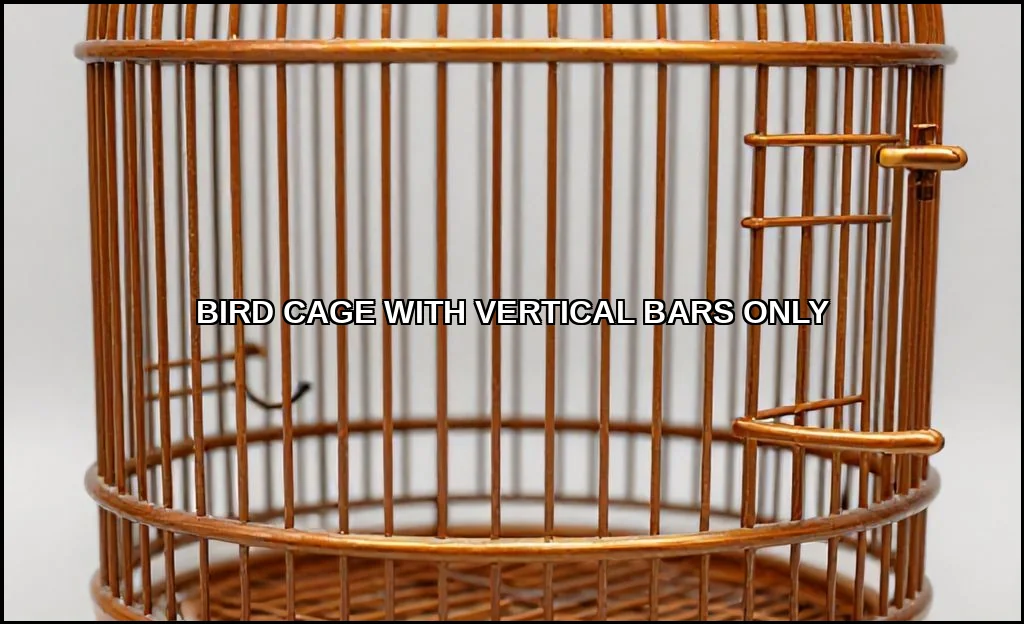
What Are Vertical-Only Bar Cages?
Imagine a cage where all the wires run straight up and down, from the top to the bottom tray. That’s a vertical wire cage or upright bar design. There are no rungs running side-to-side. This creates a smooth, uninterrupted surface that looks minimalist.
These cages are often marketed for small birds like finches or canaries, who are primarily fliers. The idea is that the vertical bars won’t interfere with their flight path within the cage. Brands like Yaheetech sometimes offer these designs in budget-friendly flight cages. But the application gets tricky with other species.
The Straight Bar Cage Appeal
Why would anyone choose this design? The reasons are usually human-centric.
- Aesthetics: They look modern and less cluttered.
- Perceived Safety: Some believe smaller birds are less likely to get heads or bodies stuck.
- Ease of Manufacture: Simpler design can mean lower cost.
However, a bird’s needs are rarely minimalist. Their environment must cater to complex natural behaviors.
Pros and Cons of Vertical Bar Design
Let’s break down the advantages and significant drawbacks. The scale tips heavily for most bird owners.
Potential Pros (The Short List)
- Unobstructed Flight: For true aviary birds that rarely climb, vertical bars may offer a clearer flight path.
- Specific Containment: In very narrow bar spacing, they might prevent certain escape attempts for tiny species.
Major Cons and Safety Concerns
This is where the design falters for most pet birds.
- Climbing Difficulty: This is the core issue. Birds like parrots, cockatiels, conures, and lovebirds are avid climbers. Horizontal bars provide essential grip and leverage. Vertical bars force them to use their beak as a primary climbing tool, which is tiring and unnatural.
- Escape Risk: Ironically, a determined bird might find it easier to shimmy up a smooth vertical bar to an unsecured door latch. A true escape proof design considers behavior, not just geometry.
- Lack of Enrichment: Climbing is exercise and mental stimulation. Removing this opportunity can lead to boredom and stress-related behaviors.
- Foot Health Risks: Constant slipping and struggling for grip can cause pressure sores. In severe cases, this contributes to bumblefoot, a serious bacterial infection of the foot pad that requires an avian veterinarian.
Safety Concerns and Bird Health
This isn’t just about convenience; it’s about welfare. An unsuitable cage can have tangible health impacts.
The Climbing and Foot Problem
Birds’ feet are designed to grip perches of varying diameters. They are not designed to grasp smooth, vertical wires. The lack of secure footing means they constantly strain their legs and feet. Over time, this abnormal stress can lead to joint issues and those painful foot lesions. Consulting an avian vet will almost always yield advice against vertical-only setups for climbing species.
Mental Well-being and Stress
Imagine your entire world became slippery. Frustration is inevitable. Birds denied climbing enrichment often exhibit more screaming, feather plucking, and lethargy. Their cage should be a gym and a playground, not a hazard. This is why learning how to decorate a cage safely is so importantit adds vital mental stimulation.
Bar Spacing and Bar Diameter: Critical Details
Most discussions focus on spacing, but bar diameter/thickness matters too. Thin, vertical bars are even harder to grip. bar spacing must be precise for any cage. For small birds, wide spacing on a vertical cage is a double hazard: they can’t climb it, but their head might get stuck between the bars. Always follow species-specific spacing guidelines from an official source like the Audubon Society.
Best Bird Species for Vertical Bar Cages
The list is very short. These cages are only a potential fit for birds that are almost exclusively fliers and rarely, if ever, climb cage walls.
- Finches: Many finch species prefer to hop and fly. They might tolerate a vertical bar flight cage if it is sufficiently long for flight.
- Canaries: Similar to finches, canaries are songbirds focused on perching and flying, not climbing.
Even for these birds, it’s not ideal. They will still benefit from some horizontal elements. For everyone elseparrots, cockatiels, budgies, conures, lovebirdsthis design is strongly discouraged. It answers the question why are bird cages with vertical bars only bad for the majority of pet birds.
| Bird Type | Suitability for Vertical Bars | Key Reason |
|---|---|---|
| Parrots (All Sizes) | Poor | Require extensive climbing for exercise and enrichment. |
| Cockatiels & Lovebirds | Poor | Active climbers and explorers. |
| Finches & Canaries | Fair (with caveats) | Primarily fliers; but still benefit from horizontal options. |
| Budgerigars (Parakeets) | Poor | Very active climbers and players. |
Alternatives and Modifications
What if you already own a vertical bar cage? Or you love the look but want it to be bird safe? You have options.
How to Make a Vertical Bar Cage Safer
This is a key solution for owners in a bind. You can’t change the bars, but you can add to them.
- Install Horizontal Perches: Use natural wood perches that span the cage’s width, attaching them securely to the vertical bars. This creates ladder-like pathways.
- Add Rope Nets and Ladders: Cotton or sisal rope nets attached across the interior provide a fantastic climbing surface. They completely override the vertical bar problem.
- Use Cage Liners and Toys: Strategic placement of toys, swings, and boings encourages movement between fixed points, reducing reliance on the bars themselves.
These modifications transform the cage’s functionality. They address the core issue of climbing difficulty head-on.
Choosing a Better Cage from the Start
Investing in the right cage saves money and stress later. Look for cages with predominantly horizontal bars on at least two sides. Reputable brands like Prevue Hendryx and A&E Cage Company design their play top cages and breeding cages with species-appropriate bar orientation.
The debate on vertical vs horizontal bars for parrots is settled among experts: horizontal wins. For a small bird like a finch, searching for the best vertical bar cage for small birds should include plans for immediate modification, or better yet, lead you to a properly designed flight cage with mixed bar orientations.
Your bird’s home is their universe. Providing a best possible environment means choosing equipment that supports their natural anatomy and instincts. Sometimes, the most aesthetically pleasing option for us is the least functional for them.
Selecting a cage requires looking past the surface. Vertical-only bar cages present significant challenges for most pet birds, directly impacting their physical health and mental happiness. While they can be modified for small, non-climbing species, they are generally a poor choice for the parrots and hookbills that fill our homes. Prioritize designs that offer secure footing and climbing opportunities. Your bird’s vibrant activity and healthy feet will be the ultimate proof you made the right call. Always when in doubt, consult with a qualified avian veterinarian for personalized advice.
