
You’ve probably seen them. Those sleek, modern bird feeders with no obvious place for a bird to land. They look almost minimalist compared to their traditional counterparts. A bird feeder without perches is a deliberate design choice, not an oversight. It’s a strategic move to reshape your backyard bird community.
These perchless or perch-free feeders are engineered for specific visitors. They prioritize agility over convenience. If you’re tired of watching larger, more aggressive birds or squirrels dominate your feeder, this design offers a clever solution. For a top-rated commercial option that embodies this principle, many enthusiasts turn to the Natures Way Cobalt. Its simple, effective perchless ports are a great example of the concept in action.
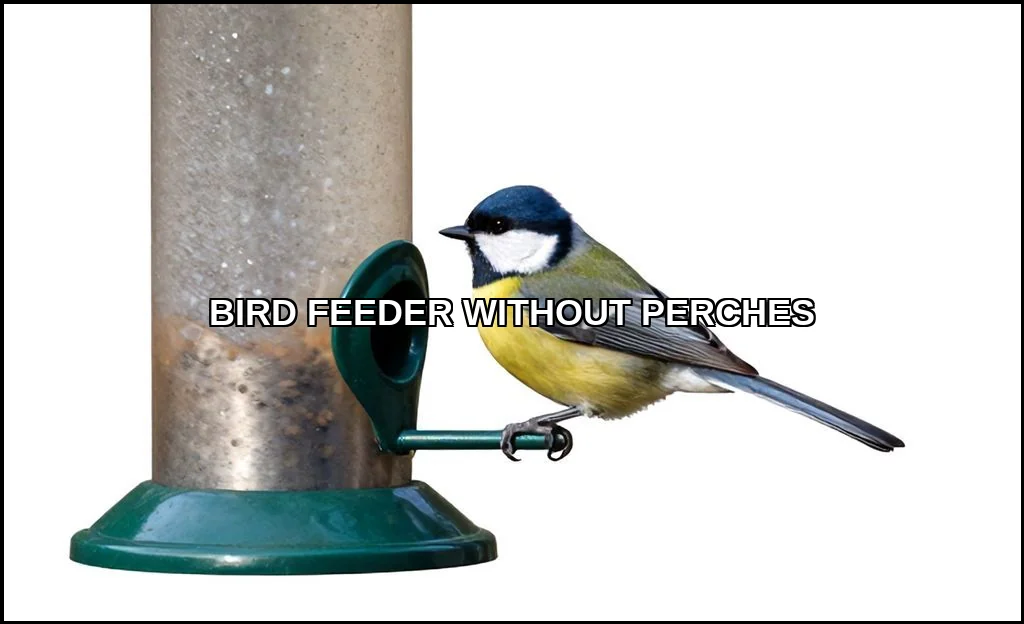
What Are Bird Feeders Without Perches?
At its core, a no-perch feeder eliminates the traditional landing sticks or trays. Birds must cling directly to the feeder’s body or feeding ports to access the seed. This is most common in tube feeder designs, where small perches are simply omitted. The ports themselves become the only access point.
This anti-perch design creates a physical barrier. It’s not about keeping all birds away. It’s about filtering them. The design favors birds with the right physique and behaviortypically small, acrobatic species like finches and chickadees that can easily hover or cling.
Key Benefits: Why Choose Perchless Designs
The advantages go beyond just looking neat. Perch elimination serves several key functions that directly address common backyard birding frustrations.
Targeted Bird Attraction
This is the primary goal. By removing perches, you automatically deter larger, heavier birds that need a stable platform. This includes birds like European Starlings, grackles, and House Sparrows, which can be aggressive and consume large amounts of seed quickly. Your feeder becomes a sanctuary for the smaller, more delicate species you likely want to attract.
Enhanced Squirrel Deterrence
This is a major selling point. A classic squirrel-proof strategy often involves making access physically challenging. Squirrels, while agile, typically need a perch to stabilize themselves while they raid a feeder. A smooth, perchless tube feeder forces them to attempt awkward, dangling maneuvers they often can’t sustain, especially if the tube is made of slippery metal. It’s a brilliant passive defense. So, do perchless bird feeders deter squirrels? They are a strong first line of defense, often used in conjunction with other methods like a squirrel baffle.
Improved Hygiene and Disease Prevention
This is a critical benefit competitors often miss. Perches are where birds sit and wait. They are also where droppings accumulate. This contamination can quickly spoil seed and spread diseases like salmonella and avian pox among your visiting flock. A perchless design minimizes this fecal contamination point, leading to a cleaner feeding station. This is a key part of responsible bird feeding, as understanding disease spread does matter for population health.
Seed Conservation
When larger birds and squirrels are deterred, your specialized seedlike expensive Nyjer seedlasts significantly longer. The birds that can access the feeder are typically smaller and eat less at a time, making your bag of seed go further.
Top Bird Species That Use Perchless Feeders
This design creates a VIP list for your backyard. The species that thrive are those built for this feeding style.
- American Goldfinch: The quintessential perchless feeder bird. They are nimble, light, and perfectly built to cling to small ports, especially on a dedicated finch feeder filled with Nyjer.
- House Finch: Similar to their goldfinch cousins, they are adept at using these feeders and are common visitors.
- Chickadees (Black-capped, Carolina, etc.): These fearless, acrobatic birds have no problem grabbing a seed and darting away. They are masters of the quick perchless grab.
- Pine Siskins & Redpolls: During winter irruptions, these small finches will readily use perchless ports.
Notice who’s missing? Mourning doves, cardinals, blue jays, and the previously mentioned starlings and House Sparrows. That’s the design working as intended.
Squirrel-Proof Advantages and Limitations
Let’s be realistic about why use a bird feeder without perches for squirrel control. It’s highly effective, but not always foolproof.
How They Work
The design exploits squirrel physiology. Their larger body mass and different center of gravity make clinging to a small, smooth port for extended feeding difficult. Without a perch to brace against, they often slide off. When combined with a metal construction and a well-placed squirrel baffle on the pole, success rates soar.
Potential Limitations
A truly determined squirrel is a force of nature. They may attempt to chew the feeder itself, especially if it’s plastic. Or, a particularly athletic one might launch from a nearby branch. This is where commercial brands like Droll Yankees, Brome, and Aspects innovate further, integrating weight-activated mechanisms that close ports under a squirrel’s weight, making a perchless design part of a larger system.
For ultimate peace of mind, some birders combine a perchless feeder with other tech, like checking out the best birdhouses with cameras to monitor activity remotely.
Maintenance and Cleaning Best Practices
A cleaner feeder is a healthier feeder. Fortunately, bird feeder cleaning is often simpler with a perchless design due to fewer nooks for debris.
Frequency is Key
You should clean any bird feeder every two weeks, minimum. During wet weather or high traffic, weekly is better. Mold and bacteria thrive in damp, old seed.
Step-by-Step Cleaning Guide
Heres how to clean a perchless bird feeder effectively:
- Empty it completely. Discard any old, clumped, or wet seed.
- Disassemble. Take apart any removable bases, lids, and tubes. Many quality feeders have a dedicated cleaning port or wide opening for easy access.
- Scrub. Use a dedicated bottle brush and a solution of one part white vinegar to nine parts hot water (or a mild, unscented dish soap). Scrub every interior surface and port.
- Rinse & Dry. Rinse thoroughly with clean water. This is crucial to remove all cleaning residue. Let the feeder dry COMPLETELY before refilling. Moisture is the enemy.
This routine prevents the buildup of harmful pathogens, protecting the very birds you’re trying to help. For the latest on bird health and behavior, always consult an authority guide like the Cornell Lab of Ornithology.
DIY vs. Commercial Options
You have two paths: build it yourself or buy a proven model.
The DIY Route
Building a no perch feeder can be a fun project. It often involves modifying a clear plastic bottle or tube by drilling small holes just large enough for a finch beak. The key is ensuring the edges are smooth to protect birds and that the material is sturdy. However, DIY solutions often lack the refined durability, easy cleaning port access, and truly squirrel-proof materials of commercial products.
Commercial Recommendations
This is where brands excel. When looking for the best bird feeder without perches for finches, consider these categories:
- Basic Tube Feeders: Simple, perchless tubes from brands like Aspects are affordable and effective for Nyjer seed.
- Specialty Finch Feeders: Designed with tiny, perchless ports specifically for Nyjer thistle.
- Advanced Squirrel-Proof Feeders: Brands like Brome Squirrel Buster combine perchless ports with weight-activated closing mechanisms for maximum defense.
| Feature | DIY Feeder | Commercial Feeder (e.g., Natures Way, Brome) |
|---|---|---|
| Cost | Very Low | Moderate to High |
| Durability | Low (often plastic) | High (metal, hardened plastics) |
| Squirrel Resistance | Low to Moderate | High (engineered designs) |
| Ease of Cleaning | Often Difficult | Designed for it (cleaning ports) |
| Aesthetic | Functional | Polished, decorative |
A bird feeder without perches is a thoughtful tool. It’s not for every bird, and that’s precisely the point. It lets you curate your backyard experience, favoring agile songbirds over bullies and saving seed in the process. The benefits for hygiene and disease prevention are reason enough to consider one. Start by identifying your goalis it attracting goldfinches, outsmarting squirrels, or simply creating a cleaner feeding station? Your answer will guide you to the right model, whether it’s a clever DIY hack or a precision-engineered commercial solution. The birds that can use it will thank you with their vibrant presence.
