Creating a vibrant hub of activity in your backyard is easier than you think. A bird feeding station kit bundles everything you need into one convenient package, transforming a simple feeder into a dynamic wild bird station. Its the perfect launchpad for the rewarding hobby of backyard bird feeding.
Think of it as a starter ecosystem. Instead of piecing together poles, baffles, and hooks separately, a complete kit provides a cohesive bird feeding system. This approach saves time and guesswork. For a reliable, all-in-one solution, many enthusiasts start with the Blue Marble National kit, known for its sturdy construction and thoughtful design.
What is a Bird Feeding Station Kit?
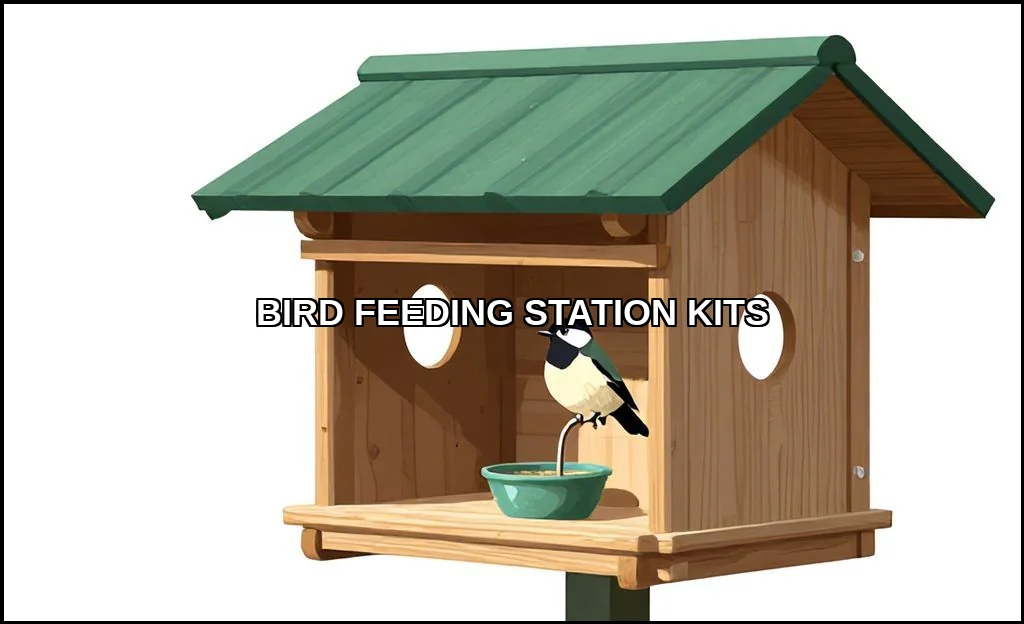
A bird feeding station kit is a curated collection of components designed to create a dedicated spot for feeding wild birds. It’s more than just a single feeder on a hook. This integrated bird feeding setup typically includes a support structure, multiple attachment points, and often, the feeders themselves. The goal is to attract a diverse array of species by offering different food types at various heights.
This modularity is key. A good kit functions as a modular bird feeding system, allowing you to customize and expand over time. Whether you want to host finches, cardinals, or even hummingbirds, the right station makes it possible. Its the cornerstone of a serious bird watching station.
Why a Kit Beats a Single Feeder
Single feeders have their place. But a station creates a destination. It reduces competition by spreading out food sources, which is less stressful for the birds. Youll see more species, like timid chickadees and bold blue jays, feeding simultaneously. It also centralizes your maintenance, making refilling and cleaning far more efficient.
Key Components of a Complete Kit
Not all kits are created equal. A truly complete bird feeding station kits with seed included is rare, but the hardware should set you up for success. Heres what to look for in a well-rounded bird feeder kit.
The Support Structure: Pole or Hanging?
The backbone of your station is its support system. Youll generally find three product categories: pole systems, hanging kits, and ground feeding stations.
- Pole Systems: The most popular and versatile. A sturdy metal pole is anchored into the ground. It often features a telescoping design for easy height adjustment and comes with arms or hooks for attaching feeders. This is the classic setup for a bird feeding station with multiple feeders.
- Hanging Kits: Ideal for decks, patios, or trees. These involve a central hanging hook or crossbar from which multiple feeders dangle. They offer less squirrel resistance but are incredibly easy to install.
- Ground Feeding Stations: A platform close to the ground that attracts species like doves, juncos, and towhees. These are often sold as standalone units but can be incorporated into a larger pole system.
Essential Attachments & Features
The components that hang from the structure define your station’s utility. A robust kit should accommodate various feeder types.
- Multiple Feeding Ports: This doesn’t just mean lots of perches on one feeder. It means having separate hooks or arms for distinct feedersa tube feeder for nyjer seed, a hopper for sunflower seeds, and a suet cage.
- Squirrel-Proof Mechanisms: This is a major focus for brands like Droll Yankees and Aspects. Look for integrated baffles (domes or cylinders) on the pole, or weight-sensitive mechanisms on feeders themselves.
- Weather-Resistant Materials: Durability is non-negotiable. Powder-coated steel or aluminum poles resist rust. Cedar wood, used by brands like Birds Choice, offers natural rot resistance and a classic look but may require more maintenance than metal.
Don’t Forget the Missing Entities
Many basic kits overlook vital elements that attract a wider bird community. When choosing, consider how you might add these later:
- Nectar Feeding Ports: A simple hummingbird feeder transforms your station into a summer spectacle. Its a must-add for complete diversity.
- Suet Feeders: Essential for insect-eating birds like woodpeckers, nuthatches, and blue jays. They provide crucial fat and protein, especially in colder months.
- Water Features: A bird bath or dripper is arguably as important as food. It attracts birds for drinking and bathing, turning your station into a true oasis. This is a game-changer for your backyard bird feeding experience.
How to Choose the Right Kit for Your Garden
Your space and goals dictate the ideal setup. An all-in-one bird feeding kit for a balcony differs from a sprawling backyard system.
Assessing Your Space and Goals
Start with a simple audit. How much open space do you have? Is it near tree cover? What birds are common in your area? (An authority guide like All About Birds can help with local species). For best bird feeding station kits for small gardens, a compact pole system or a hanging kit is perfect. It provides maximum attraction with a minimal footprint.
Your goal matters, too. Are you a casual observer or an aspiring photographer? For close-up viewing, place a station near a window. For photography, position it with a natural backdrop. Some kits even integrate with technology, much like the innovative best birdhouses with cameras on the market.
Key Decision Matrix
| Your Situation | Recommended Kit Type | Priority Features |
|---|---|---|
| Small patio or balcony | Hanging kit or short pole system | Compact design, easy relocation |
| Suburban backyard with squirrels | Tall pole system with baffle | Squirrel-proof design, sturdy pole |
| Beginner wanting simplicity | Bird feeding station for beginners kit | Pre-assembled parts, clear instructions |
| Bird photography focus | Modular pole system with adjustable arms | Flexible positioning, natural perch options |
Step-by-Step Assembly and Setup Guide
You’ve got your kit. Now, let’s build your bird feeding station. The process for how to set up a bird feeding station kit is straightforward if you follow a logical order.
1. Unpack and Organize
Lay out all components. Check them against the manual. Identify the pole sections, base, baffle, arms, hooks, and any tools provided. This prevents mid-assembly surprises.
2. Assemble the Pole Structure
- Attach the ground stake or base plate to the bottom pole section.
- Slide any squirrel-proof baffles onto the pole before you add more sections. (A common mistake!).
- Connect additional pole sections, tightening set screws or clamps firmly.
- Attach the feeder arms or crossbars at the top as directed.
3. Choose the Perfect Location
Placement is a science. You need safety for birds and visibility for you.
- Safety First: Position your station about 10-12 feet from the nearest tree or shrub. This gives birds an escape route from predators but is too far for squirrels to jump. Keep it away from dense brush where cats may hide.
- Visibility: Place it where you can enjoy it! A view from a kitchen or living room window is ideal.
- Practicality: Ensure the location is accessible for refilling and cleaning. Avoid placing it directly over flower beds or patios to minimize mess.
4. Install and Load Feeders
Push the pole firmly into the ground until it’s stable. Hang your feeders. Start with a variety: a black oil sunflower seed feeder for cardinals and blue jays, a nyjer tube for finches, and a suet cage for woodpeckers. Fill them with quality seedthe first invitation to your new guests.
Maintenance Tips for Long-Term Use
A clean station is a healthy station. Regular upkeep prevents mold and disease, which is critical as experts monitor how avian influenza does affect birds in wild populations.
The Weekly and Monthly Routine
Consistency is key. Make these tasks a habit.
- Weekly: Check seed levels and shake feeders to prevent clumping. Clear away wet or moldy seed from platform feeders or the ground below.
- Bi-Weekly: Clean feeders with a mild bleach solution (1 part bleach to 9 parts water). Scrub, rinse thoroughly, and let dry completely before refilling. This prevents salmonella and other pathogens.
- Monthly: Inspect your entire weather-resistant station. Tighten any loose screws on poles or arms. Check for rust or wear. Ensure baffles are still securely positioned.
Seasonal Adjustments
Your station’s role changes with the seasons. In fall, consider adding more high-fat suet. In summer, a nectar feeder is essential. In rainy seasons, ensure drainage holes on platform feeders are clear. A modular bird feeding system shines hereyou can swap components in minutes.
For stations billed as bird feeding station kits that are squirrel proof, vigilance is still required. Occasionally grease the pole below the baffle with a vegetable oil spray to deter persistent climbers. Check that weight-sensitive mechanisms on feeders haven’t gotten clogged with seed debris.
Building a bird feeding station is an investment in endless fascination. It connects you to the rhythms of nature right outside your door. Start with a solid kit, place it thoughtfully, and maintain it diligently. Youll be rewarded with a bustling aerial community. The cardinals will flash red, the finches will chatter, and the woodpeckers will provide the percussion. Your backyard will never be the same. Just remember to keep the binoculars and your coffee close by.
