
You’ve invested in quality bird seed. You want to attract vibrant cardinals, cheerful chickadees, and acrobatic finches. But if you’re pouring that seed from a torn bag or an open bin, you might be inviting more than just birds to the buffet. The secret to a thriving backyard habitat isn’t just the food you buyit’s how you store it.
An airtight seal is the single most important feature for any bird food container. It’s your frontline defense against spoilage, pests, and wasted money. Think of it as a preservation system for your wild bird food storage. For those looking for a versatile feeding solution that works hand-in-hand with proper storage, many enthusiasts find success with the More Birds 3N1 feeder, which accommodates different seed types you’ll be keeping fresh.
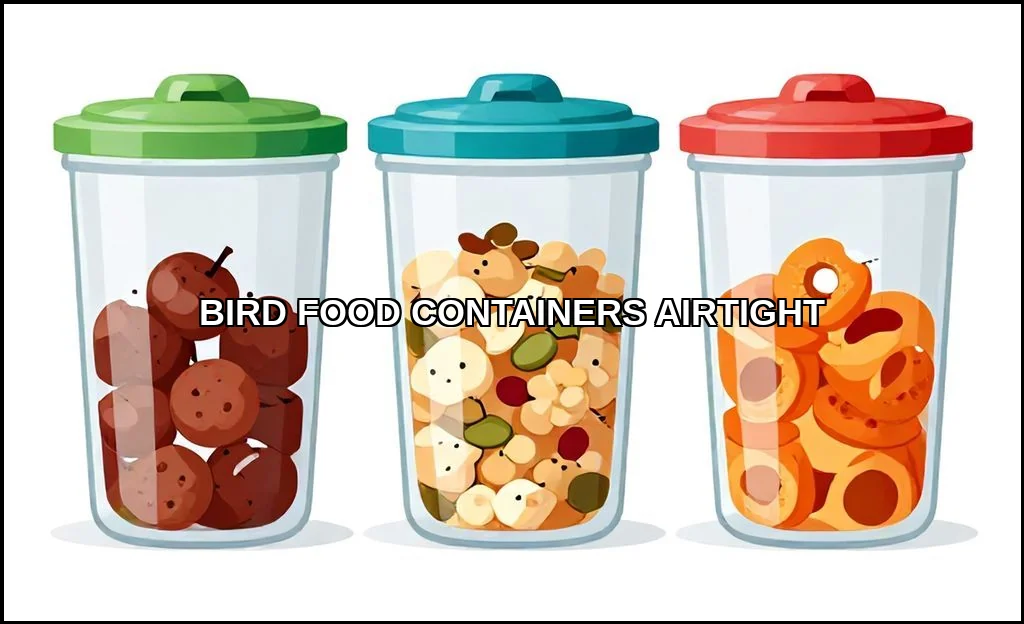
Why Airtight Bird Food Containers Are Non-Negotiable
Leaving bird seed exposed is an open invitation for trouble. The primary enemies are moisture, air, and pests. When humidity seeps in, it creates the perfect environment for mold to grow. Moldy seed isn’t just unappetizing; it can be harmful to the birds you’re trying to help. An airtight seal provides critical moisture proof protection.
Then there are the unwelcome guests. Rodents like mice and rats, along with insects, have an incredible sense of smell. A flimsy bag is no match for their determination. This is where rodent proof containers become essential. They prevent infestation and protect your investment. Proper storage also preserves the oils and nutrients in the seed, keeping it fresher and more attractive to birds for longer. For more on preserving nutritional value, the Audubon Society offers an excellent authority guide on the topic.
Don’t forget about temperature. Fluctuations between warm days and cool nights can cause condensation inside a container, even indoors. A true airtight container mitigates this by locking out humid air.
Material Showdown: Plastic vs. Metal vs. Glass
Your choice of material impacts durability, weight, and effectiveness. Each has its place in your seed storage solutions.
Plastic Bird Food Bins
These are the most common and often the most affordable. Look for food-grade, BPA-free plastic. Brands like IRIS USA and Gamma2 Vittles Vault specialize in thick, durable plastic bins with excellent sealing lids. Their advantages include being lightweight and often offering clear bodies so you can see your seed level. However, not all plastic is created equal. Thin plastic can crack in freezing temperatures or fade and become brittle with sun exposure. For outdoor or garage use, ensure it offers UV protection.
Metal Seed Containers
For the ultimate in squirrel proof storage and durability, metal is a top contender. A galvanized steel or aluminum canister is virtually chew-proof for rodents and squirrels. It’s also excellent at blocking light, which helps preserve seed oils. The downside? Metal can be heavier, more expensive, and may rust if the finish is compromised. It’s the go-to for a weatherproof bird feeder storage companion kept on a patio.
Glass & Ceramic Jars
These are ideal for smaller quantities or specific seed types kept in the kitchen. A large glass jar with a clamp lid is perfect for storing nyjer seed or suet cakes, keeping them visible and fresh. They are non-porous and easy to clean. The obvious limitation is fragility and weight, making them unsuitable for large-capacity or outdoor storage.
| Material | Best For | Considerations |
|---|---|---|
| Plastic | General use, large capacity, indoor/garage | Get thick, UV-stabilized, food-grade plastic |
| Metal | Outdoor/patio storage, severe pest problems | Check for rust-resistant coating, can be heavy |
| Glass | Countertop containers, small seed types | Fragile, not for bulk storage |
Finding the Perfect Fit: Size & Capacity
Choosing the right size prevents two problems: buying too small and constantly refilling, or buying too large where seed sits for months losing freshness. Consider your buying habits and feeder numbers.
- Small (5-10 lbs): Great for trying new blends or storing specialty seeds like nyjer. Perfect for a single feeder.
- Medium (10-25 lbs): The sweet spot for most backyard birders. Holds a standard bag of seed. Look for handles for easier carrying.
- Large (25+ lbs): For serious enthusiasts or buying in bulk. These large capacity bird seed storage containers often come with wheelsa back-saving feature. Ensure you can still move it when full.
Pro tip: You might need multiple containers. Use one for your standard mix, another for suet pellets, and a third for peanuts. This segregation is a key part of effective wild bird seed storage.
Beyond the Seal: Key Features That Matter
The airtight seal is the star, but the supporting cast of features makes daily use a breeze.
Lid Design & Locking Mechanisms
A good lid is everything. Screw-top lids provide a superb seal but can be cumbersome. Flip-top lids with silicone gaskets (like some Simplehuman containers) are convenient for daily access. Look for lids with robust latches or clamps that create even pressure around the seal. For true rodent proof containers, the lid should lock or have clips that small paws cannot manipulate.
Handles, Spouts, and Wheels
Functionality is key. Sturdy handles molded into the bin make lifting safer. A pour spout is a surprisingly helpful feature for directing seed into a feeder without spillage. And for those large capacity bird seed storage containers, integrated wheels transform a heavy bin into a mobile storage unit. Its the difference between dreading refill day and doing it with ease.
Consider shape, too. A square or rectangular container makes better use of shelf or corner space in your garage than a round one. This efficient use of space is a subtle but important aspect of pet food storage containers and animal feed containers in general.
Keeping It Clean: Maintenance for Longevity
Your container works hard to keep seed fresh. It deserves some care in return. Regular cleaning prevents old seed dust and oils from building up, which can turn rancid and contaminate new seed.
- Empty Completely: Before refilling, always pour out the old seed remnants and dust. This is the perfect time to check the overall health of local birds at your feeders, as cleanliness is a major factor.
- Wash with Care: Use warm, soapy water. For plastic and metal, a mild dish soap is perfect. Avoid harsh chemicals or abrasive scrubbers that can scratch the interior and damage seals.
- Dry Thoroughly: This step is critical. Any leftover moisture will immediately compromise your fresh seed. Let the container air-dry completely, with the lid off, before adding new food.
- Inspect the Seal: Every few months, check the silicone or rubber gasket on the lid. Ensure it’s clean, pliable, and seated correctly. A cracked or deformed gasket breaks the airtight barrier.
Store your clean, filled container in a cool, dry place. A garage or shed is fine if the container is robust, but avoid direct sunlight or areas prone to extreme temperature fluctuation. This simple routine doubles the life of your container and your seed.
Pairing your pristine seed storage with a well-designed feeder creates an unbeatable combo. For inspiration on high-tech monitoring, check out our review of the best birdhouse cameras available.
The Final Word on Freshness
Choosing the best airtight container for bird seed isn’t a minor detailit’s a core part of responsible bird feeding. It protects your wallet, safeguards the health of your backyard visitors, and makes the hobby more enjoyable. Start by assessing your needs: capacity, storage location, and pest pressure. Invest in a container with a proven seal and sensible features. Your future self, and the flocks of birds enjoying fresh, uncontaminated food, will thank you. Remember, great bird feeding starts long before the seed hits the feeder. It starts in the container.
