
Your bird is dropping feathers everywhere. It looks like a tiny pillow fight happened in its cage. This is molting season, a completely natural but nutritionally demanding time. Think of it as your bird rebuilding its entire wardrobe from scratch, which requires serious fuel.
Getting the bird molting diet right is the single best thing you can do to support them. A poor diet can lead to slow, pinched, or discolored feather regrowth. The goal is to provide the raw materials for strong, vibrant plumage. For a reliable commercial option that many bird owners trust during this time, you might consider a product like Wild Harvest Healthy. It’s formulated to support overall avian health, which is a great foundation during stressful periods like a molt.
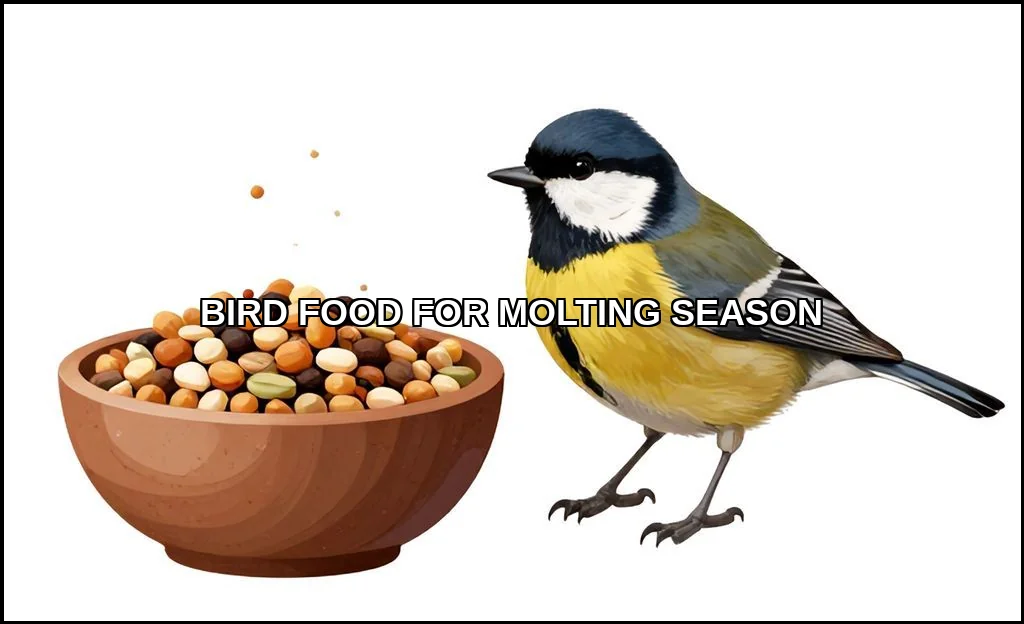
The Molting Process and Its Nutritional Demands
Molting is the systematic replacement of old, worn feathers with new ones. It’s orchestrated by hormones and triggered by factors like daylight hours and temperature. This isn’t a casual refresh; it’s metabolically expensive. Feathers are made of keratin, a complex protein, and synthesizing it requires a massive influx of specific nutrients.
The demand for high-protein foods skyrockets. Feathers are over 85% protein, so the body needs ample building blocks. This is why protein for molting birds is the number one priority. Without it, the body may cannibalize muscle tissue to source the necessary amino acids. The process also requires extra energy, making high-fat bird seed and other calorie-dense foods valuable. It’s a delicate balance of macronutrients and micronutrients.
Essential Nutrients for Feather Regrowth
Let’s break down the nutritional toolkit. You’re not just feeding a bird; you’re providing a feather factory with its supplies.
Protein and Amino Acids: The Building Blocks
General protein isn’t enough. Feathers require specific amino acids like methionine, lysine, and cysteine. Cysteine is particularly vital as it’s a key component of keratin’s structure. A deficiency here can lead to weak, brittle feathers. Quality sources include cooked legumes, lean cooked meats like chicken, and specially formulated pellets.
Fats: Energy and Structure
Omega fatty acids are superstars. They provide the dense energy needed for the molting process and are incorporated into the feather structure itself, improving waterproofing and sheen. Sources like flaxseed, hemp seeds, and walnuts (in moderation) are excellent. This is a core part of any feather growth food strategy.
Vitamins and Minerals: The Support Crew
- Calcium for birds is non-negotiable. It aids in keratin formation and overall metabolic function. Cuttlebone or mineral blocks are essential.
- Vitamins for feathers include Vitamin A (for skin and follicle health) and Vitamin D3 (for calcium absorption).
- Trace minerals like zinc and iodine are often overlooked. Zinc is crucial for protein synthesis and skin health, while iodine supports thyroid function, which regulates the molt cycle. Missing these is a common gap in molting bird nutrition.
Top Commercial Foods and Ingredients
The market offers excellent solutions. Pelleted Diets from brands like Harrison’s Bird Foods and Roudybush are engineered for complete nutrition and are a fantastic base diet. During molt, you can often switch to their “High Potency” or similar formulas which have elevated protein levels.
High-Protein Seed Mixes can be useful as a supplement or for picky eaters, but they shouldn’t be the sole diet due to potential imbalances. Look for mixes with more safflower, hemp, and pumpkin seeds. Supplemental Pellets/Blocks, like those from Lafeber’s, are great for targeted support. They’re perfect for adding to a varied diet without causing a major shift.
Remember, bird feeding during molt often means enhancing a solid base diet, not completely replacing it. A sudden, radical change can cause more stress.
Creating a Homemade Molting Diet
Going homemade gives you control. It’s perfect for creating a best homemade food for molting parrots. The key is supplementing, not substituting, a balanced base.
Heres a simple, nutrient-packed “molt mash” recipe:
- Cook 1/2 cup of quinoa or brown rice.
- Steam and chop dark leafy greens (kale, chard).
- Add 2 tablespoons of cooked, mashed lentils or chickpeas.
- Mix in 1 hard-boiled egg (finely chopped, with shell crushed for calcium).
- Stir in 1 teaspoon of ground flaxseed or hemp hearts.
- Offer a small amount daily, removing uneaten portions after a few hours.
This mash is loaded with protein, amino acids, and healthy fats. It answers the question of what to feed a molting cockatiel or most mid-sized parrots (adjust portions for size). Always research bird food to avoid during molting, like avocado, chocolate, and anything high in salt or sugar.
Species-Specific Guide and Common Mistakes
One size does not fit all. A canary’s needs differ from a macaw’s. Juvenile birds experiencing their first major molt have even higher demands for growth and feather development than adults.
| Species Type | Dietary Focus During Molt | Key Consideration |
|---|---|---|
| Finches & Canaries | Increased protein (soaked seeds, egg food), calcium. | They molt quickly; consistent, high-quality intake is critical. |
| Cockatiels & Lovebirds | Protein-rich pellets, legumes, chopped nuts, vegetables. | Prone to fatty liver; ensure supplements are healthy, not just fatty seeds. |
| African Greys & Amazons | High-potency pellets, walnuts, pumpkin, sweet potato. | Need extra Vitamin A precursors from orange/red veggies. |
| Macaws & Cockatoos | Very high healthy fats (nuts, coconut), substantial protein. | Their large feathers require immense energy; don’t skimp on calories. |
A major mistake is over-supplementing with fatty seeds alone, leading to weight gain without balanced nutrition. Another is forgetting that hydration is part of nutrition. Fresh water is vital. Also, consider their environment; a stressed bird won’t molt well. Providing a safe space is as important as the food. For creating that ideal habitat, exploring the best birdhouses can offer great insights into secure, comfortable housing.
Figuring out how often to feed birds during molt is simpler than it seems. Most do well with their normal schedule, but with the quality of food upgraded. They may eat more, so ensure food is always available. This is a form of avian molt support that’s often overlooked.
Pulling It All Together
Think of molting as a project. You need the right materials (protein, fats, vitamins), a good schedule (consistent seasonal bird feeding), and an understanding of the specific blueprint (your bird’s species). Whether you choose a top-tier commercial pellet, a carefully crafted homemade mix, or a blend of both, the focus must be on dense, bioavailable nutrition.
For a broader look at avian diets beyond molting, the National Audubon Society serves as an excellent official source for understanding wild bird dietary habits, which often inform our care for captive birds. And while diet is paramount, a bird’s health is holistic. Understanding broader threats, like how disease does affect birds, makes you a more prepared and proactive caretaker.
Your bird’s glorious new plumage is the result. By providing targeted bird dietary supplements and a thoughtful feather regrowth food plan, you’re not just filling a bowl. You’re directly contributing to their resilience, beauty, and overall well-being. That’s the true reward.
