
Taking your rosella outside is a dream for many owners. The idea of sharing sunshine and fresh air is incredibly appealing. But letting a flighted bird explore freely is simply too dangerous. This is where a proper bird harness becomes non-negotiable bird safety gear.
Rosellas, from the vibrant Crimson Rosella to the subtle Adelaide Rosella, are active, intelligent parrots. Their flight instinct is strong. A well-fitted harness provides security, allowing for supervised adventures. Its not just a parrot leash; its a lifeline. For many owners starting this journey, a product like the VANFAVORI justable Bird harness offers a good starting point due to its adjustable design, which is key for a proper fit.
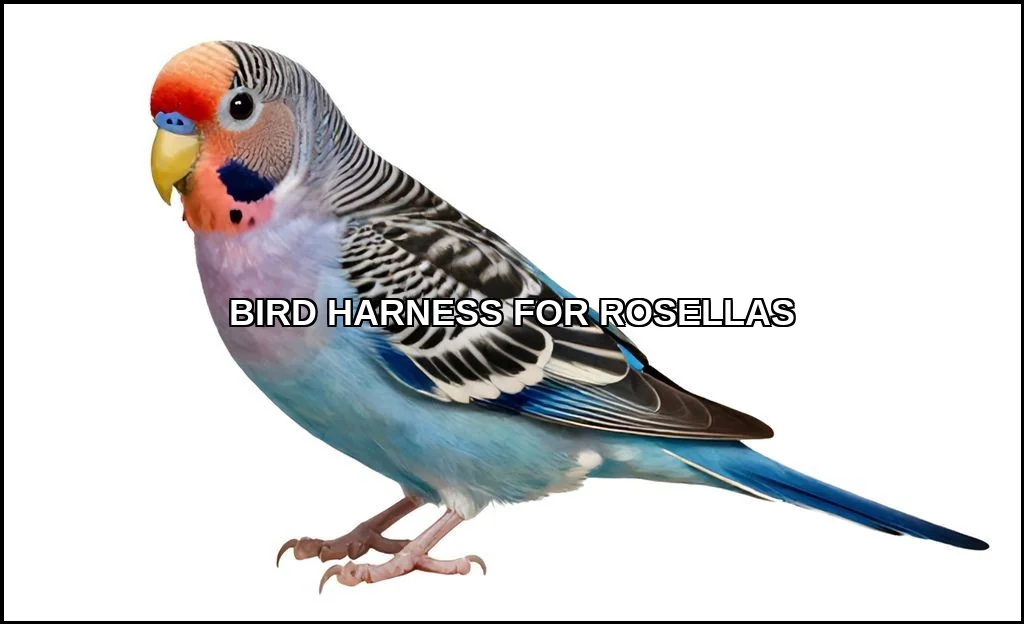
Rosella Behavior and Why a Harness Makes Sense
Rosellas are not sedentary birds. Eastern Rosellas and Northern Rosellas are known for their agility and curiosity. In the wild, they cover significant territory. Confining them indoors without enrichment can lead to stress and behavioral issues. An avian flight suit or harness facilitates safe outdoor exploration, which is fantastic mental stimulation.
Think of it as essential outdoor bird gear. It satisfies their instinct to explore while keeping them secure. The goal is enrichment, not restriction. Its also worth noting that understanding general bird health, like how diseases spread, is part of responsible ownership. For instance, knowing how avian influenza does affect birds informs safer outdoor practices.
The Core Challenge: Prey Animal Psychology
Your rosella sees the world differently. Anything new is potentially a predator. A harness feels like a constricting snake at first. This is why the training process is about trust, not dominance. Rushing will destroy progress. An avian veterinarian will always emphasize a stress-free approach, a method detailed in this excellent authority guide on the subject.
A Step-by-Step Harness Training Guide
How to train a rosella to wear a harness is the million-dollar question. The answer is patience and positive reinforcement. This isn’t a weekend project. Plan for weeks or even months of short, positive sessions.
Phase 1: Desensitization and Association
Leave the harness near the cage for days. Let your bird investigate it on their terms. Pair its presence with high-value treats. The harness should predict good things. Never force it. This gradual desensitization process is the bedrock of success.
Phase 2: Touch and Target Training
Once curious, use a target stick to encourage moving through loose loops. Touch the harness to their back gently during treat sessions. Build up slowly. The moment they show discomfort, stop and go back a step. Consistency is everything.
Phase 3: The Fitting Process
For a step-in harness, you’ll guide their feet through the loops. Keep the first fittings incredibly briefseconds only. Immediately reward. Focus on making the experience positive, not on getting it fully fastened. A quick-release buckle is essential for this phase for a fast, stress-free removal.
Top Harness Styles and Safety Features for Rosellas
Not all pet bird harness options are created equal. For small, sleek-bodied parrots like rosellas, fit is paramount. The wrong harness is a safety hazard.
Key Styles to Consider
- Step-in Harnesses (like the Aviator Harness): Often the gold standard. They distribute pressure evenly and are designed to be escape-proof when fitted correctly. They are a dedicated bird walking jacket.
- Flight Suits/Bird Diapers: These cover more body area. Brands like FeatherWear specialize here. They can be good for smaller messes but may feel more intrusive during initial training.
- Alternative Carriers: For birds who never accept a harness, a secure parrot backpack or carrier is a must for vet visits or travel. Its not for free flight, but for safe transport.
Non-Negotiable Safety Features
Every quality harness shares these traits:
- Quick-Release Buckle: You must be able to remove it instantly if the bird panics.
- Strong, Chew-Resistant Materials: Rosellas love to chew. Leather (like from The Leathers4U) or reinforced nylon is common.
- Adjustable Points: Multiple points of adjustment ensure a snug, safe fit on a unique body.
- Secure Leash Attachment: The D-ring should be robust and sewn/anchored into a reinforced panel.
Getting the Fit Perfect: Sizing and Adjustment
A loose harness is an escape waiting to happen. A tight one restricts breathing and causes panic. This is where most failures occur.
Taking Accurate Measurements
You need two key measurements: chest circumference (behind the wings) and neck circumference. Use a soft seamstress tape. Do not guess. A generic “small parrot” size isn’t enough. We need a true rosella harness size chart.
Heres a general guideline, but always check a brand’s specific chart:
| Rosella Type (Example) | Approx. Weight | Typical Chest Circumference |
|---|---|---|
| Crimson Rosella / Adelaide Rosella | 90-130 grams | 6.5 – 8 inches |
| Eastern Rosella / Pale-headed Rosella | 80-110 grams | 6 – 7.5 inches |
| Green Rosella / Northern Rosella | 100-150 grams | 7 – 9 inches |
These specific weight/chest circumference guidelines are often missing from generic guides. Theyre crucial for finding the best harness for a crimson rosella versus an eastern species.
The “Finger Test” and Final Adjustments
Once on, you should be able to slip one finger comfortably under the straps. Watch for any gaps near the wingsa prime escape route. The neck strap should not rub the jaw or allow the head to slip through. Observe your birds posture. If theyre leaning or off-balance, readjust.
FAQs: Safety, Alternatives, and Outdoor Protocol
Is a harness 100% safe?
No piece of gear is. The safety comes from the combination of a properly fitted, quality harness and constant, attentive supervision. Never leave a harnessed bird unattended, even indoors. Check for wear and tear before every use.
My rosella hates it. What are the alternatives?
Some birds never accept a harness. Thats okay. Focus on a fantastic indoor life with flight time in a secure room. For outdoor experiences, use a fully enclosed portable aviary or a high-quality travel carrier. You can still provide outdoor stimulation safely. For other types of safe outdoor enclosures, exploring the best birdhouses with cameras can offer ideas for secure, enriching outdoor spaces.
What are the rules for outdoor time?
Start in a quiet, familiar yard. Avoid extreme weather. Be hyper-aware of predators (birds of prey, cats, even large insects). Keep sessions short at first. Always have a plan to quickly retrieve your bird if they startle. This supervised outdoor time is about quality, not quantity.
Finding where to buy a harness for eastern rosella or any subspecies is easier once you know the correct size and style. Look for reputable avian suppliers or direct brand websites. The journey with a feathered friends harness is about building a deeper bond through shared, safe adventures. It requires an investment of time and patience. But the rewardwatching your rosella experience a breeze or see the sky up close, safely by your sideis truly unparalleled. Start slow, celebrate tiny victories, and always prioritize your birds comfort over your timeline.
