
Choosing the right bird perch for small cages is more than a simple accessory purchase. It’s a critical decision for your pet’s physical health and mental well-being. A cramped cage shouldn’t mean a boring or uncomfortable life. The right perch setup can transform a limited space into a dynamic environment.
For owners of Budgies, Finches, Canaries, Cockatiels, and Parakeets, space is the ultimate constraint. You need bird cage accessories that fit without overcrowding. This guide cuts through the clutter. We’ll focus on small bird perches that promote bird foot health and offer genuine cage enrichment. For a quick, comprehensive solution, many owners find value in multi-packs like the 8-Piece Set Natural, which provides variety without the guesswork.
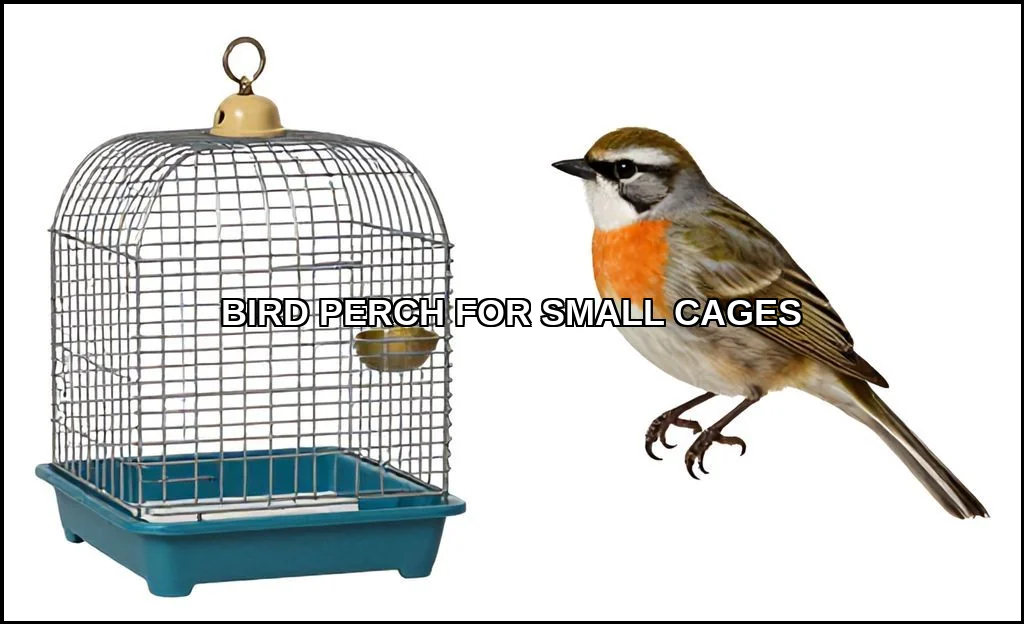
Navigating the Limits of a Compact Cage
Small cages present unique challenges. Every square inch counts. The goal isn’t to fill every gap with a mini bird perch or tiny bird ladder. It’s about strategic placement that encourages movement and natural behaviors. Overcrowding creates stress and can even does to their overall stress levels and immune response. Think of the cage as a tiny apartment. You need functional zones for perching, playing, eating, and flying (even if it’s just a short hop).
A common mistake is using perches of the same diameter. This leads to pressure sores on a bird’s feet. Variety in perch diameter and texture is non-negotiable, even in a finch cage. Your bird needs to exercise its feet just like it exercises its wings.
What Makes a Great Small Cage Perch?
The ideal perch for a compact space serves multiple purposes. It’s not just a place to stand.
Size and Proportion Are Everything
This is the first filter. A perch should be short enough to fit diagonally or across the cage width without blocking flight paths. Brands like Prevue Hendryx and JW Pet often list precise dimensions, which is a huge help. Ask yourself: what size perch is best for a budgie? The answer isn’t a single number. A budgie needs a primary perch about 1/2″ to 1″ in diameter, but should also have access to thinner and thicker options.
Safety and Material Integrity
With small birds, material safety is paramount. Their metabolisms are fast, and toxins hit hard. You must insist on non-toxic materials. This goes beyond “untreated wood.” You need to know the wood species. Manzanita and Dragonwood are excellent, durable choices often recommended by avian veterinarians for their safety and natural grip texture. Avoid softwoods like pine if your bird is a chewer. Rope perches are great for flexibility but must be monitored for fraying.
Designs That Maximize Space
Innovative design is your best friend. Look for these space-savers:
- Corner Perches: These tuck into unused space, creating a cozy resting spot off the main floor.
- Adjustable/Rope Perches: You can bend and shape them around toys and other fixtures, creating unique pathways.
- Multi-function Toys: A small avian swing or a compact cage stand with an integrated perch adds play value without consuming extra “real estate.”
These designs directly contribute to cage enrichment, preventing boredom in a limited environment. For more creative habitat ideas, check out our review of the best monitored habitats on the market.
Choosing Safe and Durable Perch Materials
Not all woods are created equal. Heres a quick guide to common materials in Natural Wood Perches, Rope Perches, and Corner Perches.
| Material Type | Best For | Key Considerations |
|---|---|---|
| Hardwoods (Manzanita, Dragonwood, Apple) | All small birds, especially chewers like budgies and cockatiels. | Dense, long-lasting, safe to chew. Provides excellent foot exercise. |
| Natural Branch (Untreated) | Finches, canaries, parakeets. | Ensure it’s from a safe wood types for small bird perches list and thoroughly cleaned. Diameter varies naturally. |
| Cotton Rope | Creating flexible paths and swings. | Must be easy to clean and inspected daily for loose threads to prevent entanglement. |
| Plastic/ACRYLIC | Easy-to-clean corner perches or utility stands. | Ensure it’s bird-safe plastic. Often lacks the grip texture of wood, so use sparingly. |
Veterinarian recommendations consistently emphasize natural, variable-texture woods for promoting bird foot health. The ergonomic benefits are clear: varying diameters prevent arthritis and pressure sores, a critical point for perching species.
Installing Perches in a Tight Space
Knowing how to install a perch in a small cage properly ensures safety and functionality. Follow these steps.
- Map Your Cage: Identify where your bird eats, drinks, and sleeps. Don’t place perches directly above food/water bowls to avoid contamination.
- Create a Flight Path: Position perches at opposite ends of the cage to encourage short flights. Stagger their heights.
- Secure Firmly: Most perches have a threaded bolt or a simple push-fit design. For threaded ends, hand-tighten securely against the cage bars. If it spins, your bird won’t feel secure.
- Check Stability: Give each perch a firm wiggle test after installation. It should not rotate or shift under light pressure.
- Add Variety: Install your thickest, most comfortable perch high up as a sleeping spot. Use thinner, textured perches for daytime activity areas.
For a deeper dive on placement strategy, this authority guide from Audubon offers excellent insights.
Keeping Perches Clean and Safe
Maintenance is straightforward but vital. A dirty perch is a breeding ground for bacteria.
Daily and Weekly Routines
Spot-clean droppings from perches daily during your quick cage check. Once a week, perform a deep clean. Remove all cage toys and perches. Scrub wooden perches with a stiff brush and hot water. Avoid harsh chemicals. For a thorough clean, you can bake natural wood perches in the oven at a low temperature (200F) for 30 minutes to kill mites and bacteria. Let them cool completely before returning them.
When to Replace a Perch
Even the best materials wear out. Replace a natural wood perch if it becomes overly soiled, splintered, or chewed down to a dangerous thinness. Rope perches must be replaced at the first sign of significant fraying. This proactive replacement is a key part of providing safe wood types for small bird perches over the long term.
Knowing where to buy perches for tiny bird cages helps with rotation. Having a few spares allows you to swap in clean perches while others are being cleaned or dried.
Building a Better Mini Habitat
Selecting the right bird perch for small cages is an exercise in thoughtful compromise. You balance space against necessity, safety against enrichment. By prioritizing variable perch diameter, non-toxic materials like specific hardwoods, and clever, space-saving designs, you directly support your bird’s physical and mental health. It turns a simple cage into a home. Start by auditing your current setup. Is there variety? Is there space to move? Then, make one strategic change. Your bird will thank you with its energy and vitality.
