
Imagine having a front-row seat to nature’s daily show. A window bird feeder or perch turns your glass into a living theater. You get intimate wildlife viewing without stepping outside. It’s a simple upgrade with profound rewards.
But not all perches are created equal. The right one brings cardinals and chickadees to your sill. The wrong one ends up on the ground, frustrating you and confusing the birds. Let’s explore how to choose, install, and enjoy a perfect window mounted bird station.
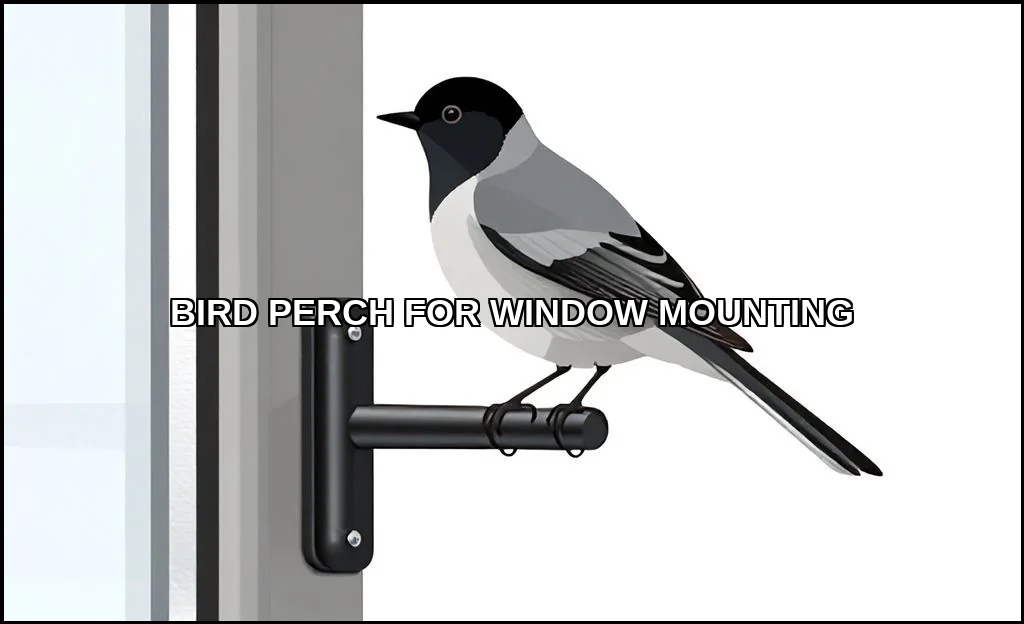
For those who want flexibility beyond a fixed window mount, consider a Portable Bird Perch. It’s a fantastic option for renters or anyone wanting to move their bird viewing platform between windows or even onto a balcony railing with ease.
What is a Window Mount Bird Perch?
At its core, it’s an avian window accessory that attaches directly to your windowpane. It provides a landing spot for birds right outside your glass. This category includes simple perches, feeders with integrated perches, and even window mount bird house or bird bath window mount options.
They fall into three main product categories. Suction Cup Mounts are the most common, using vacuum seals for a non-permanent hold. Clamp-on Window Ledges grip the window frame or sill. Adhesive Mount Kits offer a semi-permanent solution, often using high-strength outdoor tapes.
The goal is clear, unobstructed observation. Brands like Aspects, Window Wonder, and Birdscapes have refined designs to maximize this. The best models feel like an extension of the window itself.
Key Features to Look For
Choosing the right perch means looking past the basic idea. Several features separate a seasonal delight from a year-round fixture.
Mounting Security & Durability
This is the number one concern. You need a perch that stays put. Suction cup strength is paramount. Look for large, commercial-grade cups with manual locking levers. These create a powerful vacuum seal, crucial for how to install a bird perch on a double pane window securely.
Material matters immensely. Opt for UV-resistant materials like polycarbonate or treated polymers. They won’t become brittle and crack after a summer in the sun. This durability also applies to any metal components, which should be rust-proof.
Consider your local wildlife. If squirrels are a concern, a flimsy perch won’t last a day. Some designs incorporate weight-triggered mechanisms or slick surfaces to deter these agile visitors.
Design for Viewing and Function
A good glass mounted perch should disappear, letting the birds take center stage. Low-profile designs are best. Some models include a bird feeder with perch combo, featuring a seed tray or nectar cup. For a best window mounted bird perch for cardinals, look for a model with a slightly larger platform to accommodate their size.
Think about drainage. A perch that pools water will become a mess and a breeding ground for bacteria. Small drainage holes are a simple, critical feature.
Finally, the product should be easy to clean. Smooth surfaces without nooks and crannies make maintenance a breeze. This isn’t just about aesthetics; it’s vital for bird health, a point we’ll expand on later.
Step-by-Step Installation Guide
A proper install is the difference between success and failure. Follow these steps for a secure, lasting mount.
- Clean the Window Surface. This is non-negotiable. Use isopropyl alcohol or white vinegar on a clean cloth to remove all dirt, oils, and grime from the glass. Any residue will break the suction seal. Dry thoroughly.
- Moisten the Suction Cups. A quick pass under the tap helps create an initial seal. Don’t use soap, as it can leave a slippery film.
- Position and Press. Place the perch where you want it, ensuring it’s level. Press each suction cup firmly against the glass. Engage any locking levers fully until they click or feel secure.
- Test the Hold. Apply gentle downward and sideways pressure. Do not hang from it! A properly installed perch should support several pounds without budging. For a bird perch for window that won’t fall off, this testing phase is critical.
- Wait Before Loading. Let the suction settle for a few hours before adding seed, a bath, or expecting avian visitors. This allows the seal to fully set.
For adhesive or clamp-on styles, follow the manufacturer’s instructions meticulously. The surface prep step remains equally important.
Best Birds to Attract & Bird-Safe Tips
Your local songbirds are the stars. Common visitors to bird watching window setups include vibrant cardinals, cheerful chickadees, lively finches, and nimble nuthatches. To attract specific species, tailor your offering: black oil sunflower seeds for cardinals, nyjer thistle for finches, and suet for woodpeckers.
Consulting a local bird species guide for your region is invaluable. It helps you set realistic expectations and choose the right bait. What works in Maine may not work in Arizona.
Bird safety is paramount. Place your perch within three feet of the glass or more than thirty feet away. This prevents high-speed collisions, as birds cannot build up dangerous momentum from a close perch. The official source from the Audubon Society has excellent, in-depth guidance on making your entire window safe.
Be mindful of disease. If you notice sick birds at your feeder, take it down immediately and clean it thoroughly. Understanding how disease spreads is key; learn more about how does avian influenza and other illnesses impact feeder birds.
Maintenance, Cleaning & Troubleshooting
Regular upkeep protects your investment and the birds. A dirty perch is a health hazard.
Cleaning Protocol
Clean your outdoor window bird rest at least every two weeks, or weekly during wet or busy periods. Here’s a simple, effective method:
- Take the perch down and disassemble any removable parts.
- Scrub all surfaces with a dedicated brush in a solution of one part white vinegar to nine parts hot water. Vinegar is a natural disinfectant that cuts through grime without harsh chemicals.
- Rinse all components thoroughly with clean water.
- Allow everything to dry completely before reassembling and remounting.
This routine prevents mold and bacteria like salmonella. Checking window bird perch with seed tray reviews often highlights which models are truly easy to clean in practice.
Common Issues and Fixes
| Problem | Likely Cause | Solution |
|---|---|---|
| Perch keeps falling | Dirty glass or cups, weak suction, extreme temperature swings | Re-clean everything. Remoisten cups. Reinstall on a mild day. |
| Birds aren’t visiting | Wrong food, perch location is too exposed, presence of predators | Try different seed. Move perch near shelter. Add a small baffle. |
| Seed getting wet/moldy | Poor drainage, overfilling the tray | Ensure drainage holes are clear. Only put out a day’s worth of seed. |
One missing topic in many guides is the impact on window insulation. A well-sealed suction cup perch has a negligible effect. However, if you’re constantly removing and reinstalling it, you might slightly compromise the window’s thermal seal over time. For a permanent solution, a clamp-on window ledge that doesn’t touch the sealed glass unit is often recommended.
Taking Your Setup Further
Once your basic perch is a success, you might want to enhance the experience. Integrating technology can be fascinating. For the ultimate in wildlife viewing window setups, explore the best birdhouses with integrated cameras. It’s a logical next step from passive watching to active documentation of nesting behaviors.
You can also create a layered habitat. Combine a perch with a nearby hanging feeder and a ground-level bird bath window mount. This provides a complete rest stop for your feathered guests, encouraging longer visits.
A window-mounted bird perch is more than a product. It’s a portal. It connects your indoor world with the vibrant life just outside. By choosing a secure, durable model, installing it correctly, and maintaining it with care, you create a safe haven for birds and a source of endless fascination for yourself. Start simple, learn what your local birds prefer, and enjoy the front-row seat. The show is about to begin.
