
Think about your bird’s daily life for a moment. It’s likely spent largely within the confines of a cage, a space that needs to be more than just a holding areait should be a dynamic home. That’s where a thoughtfully designed bird perch with bell toy comes into play. It’s not just an accessory; it’s a cornerstone of your pet’s mental and physical well-being, combining a place to stand with a source of auditory and tactile stimulation.
You’re not just buying a toy. You’re investing in an bird activity center that addresses natural behaviors. The simple addition of a bell transforms a basic bird cage perch into a hub of exploration. For a quick, reliable option that many bird owners trust, you can check out the Bird Perch Toy available on Amazon. It’s a solid example of how these two elementsperch and toyare integrated for immediate enrichment.
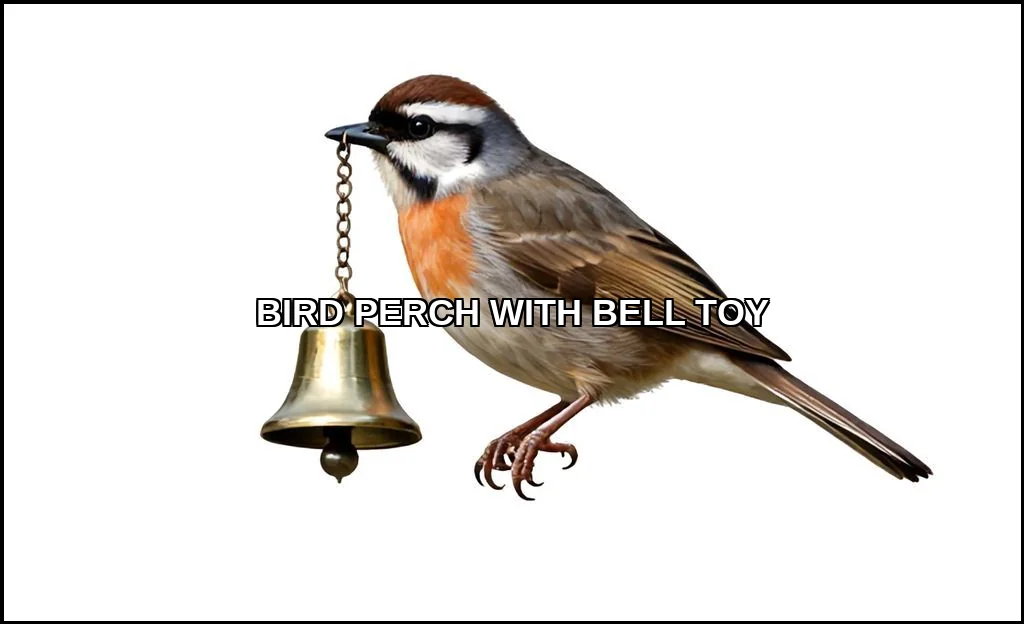
What is a Bird Perch with Bell Toy?
At its core, this product is a hybrid. It’s a functional bird stand with bell that serves as both a resting spot and a play station. Typically, it consists of a perch made from materials like natural wood or rope, with one or more bells securely attached. The design encourages your bird to step up, chew, peck, and interact.
This falls squarely into the categories of bird cage accessory and bird enrichment toy. It can be mounted inside a cage or used on a standalone bird play gym. The goal is multifaceted: provide a secure place for perching, promote healthy foot muscles, and offer a rewarding object for play. Its a simple concept with profound impacts on daily avian life.
Key Features and Benefits for Your Bird
Why does this combination work so well? The benefits are interconnected, touching on physical health, mental sharpness, and natural instinct.
Physical Exercise and Foot Health
A high-quality perch isn’t uniform. It should have varying diameters and textures. This variation is critical for foot health, preventing pressure sores and arthritis by ensuring feet aren’t always gripping the same way. When combined with a bell, the perch becomes a bird exercise stand. Your cockatiel or conure will stretch, lean, and maneuver to ring the bell, engaging different muscle groups.
- Promotes Natural Climbing: Acts as a bird climbing perch, encouraging movement up, down, and around.
- Encourages Foraging Behavior: Bells can be part of foraging enrichment. Hiding a treat near the bell motivates problem-solving.
- Auditory Stimulation: The sound provides feedback. Your bird learns cause and effect, which is mentally rewarding.
Mental Stimulation and Behavioral Enrichment
Boredom in birds is a serious issue. It can lead to feather plucking, screaming, and other destructive behaviors. A bird swing with bell or a more complex avian activity center provides a constructive outlet. The bell is a focal point for curiosity. Studies on behavioral enrichment consistently show that novel objects and auditory stimuli reduce stress and promote positive activity.
Think of it as a puzzle with a satisfying “ding!” This is especially important for intelligent species like parrots and cockatiels. It keeps their minds occupied, mimicking the challenges they’d face in the wild. For other forms of environmental engagement, consider exploring the best birdhouses with cameras to observe natural behaviors.
Safety Considerations and Material Selection
This is non-negotiable. The most engaging toy is useless if it’s dangerous. Your primary filter for any product must be bird-safe materials.
Toxic vs. Safe Woods
Many perches are made from natural wood, but not all wood is safe. Avoid pine and cedar, as their aromatic oils can cause respiratory issues. Stick to known safe woods like manzanita, dragonwood, or apple. Reputable brands like Super Bird Creations and JW Pet often specify their wood sources. It’s a gap in many product listingsspecific wood toxicity data should be front and center. When in doubt, consult an avian veterinarian for a list.
Bell and Construction Safety
The bell itself needs scrutiny. It must be made of stainless steel or another non-toxic, rust-proof metal. The clapper inside should be securely attached to prevent it from becoming a loose, swallowable hazard. The entire assembly must have no sharp edges, pinch points, or small parts that can be broken off. This is where brands like Prevue Hendryx often excel, focusing on durable construction.
- Avoid Zinc and Lead: These metals are toxic if ingested through chewing.
- Secure Attachments: Ensure the bell is firmly fastened to the perch, addressing a common long-tail query: how to attach bell toy to bird perch securely.
- Regular Inspection: Check weekly for wear, fraying (on rope perches), or damage.
How to Choose the Right Perch for Your Bird Species
One size does not fit all. A perch perfect for a budgie will be ignored or destroyed by a large conure. Your choice hinges on size, destructiveness, and activity level.
| Bird Species | Recommended Perch Diameter | Key Considerations |
|---|---|---|
| Budgies/Parakeets | 1/2″ – 3/4″ | Lightweight bells, thinner ropes. Look for smaller bird cage accessories. |
| Cockatiels | 3/4″ – 1″ | Sturdier construction. They enjoy shredding, so a destructible wood perch with a bell is great. Search for the best bird perch with bell for cockatiels specifically. |
| Conures & Poicephalus | 1″ – 1.5″ | Very destructive. Need extremely durable, hardwoods and heavy-duty bell housings. |
| African Greys & Amazons | 1.5″ + | Require a robust bird playstand or bird activity center. They need both physical and mental challenges. |
For a more detailed official source on this topic, the Audubon Society offers an excellent authority guide on choosing perches.
Placement Within the Cage or Play Area
Don’t cluster all perches at the same height. Place the bell perch near a mid-level activity zone, not directly over food or water to avoid contamination. Offer a varietya flat platform, a rope perch, a cement perch for nail filingto create a complete landscape. The bell perch should be part of this ecosystem, not the only feature.
Maintenance and Cleaning Tips
A dirty perch is a health hazard. Organic matter and moisture can breed bacteria and fungus. Your cleaning routine depends on the material.
For Wooden Perches with Bells
- Weekly Spot Clean: Use a stiff brush to remove loose debris and droppings.
- Monthly Deep Clean: Remove the perch. Use a solution of diluted white vinegar or a bird-safe disinfectant. Scrub thoroughly.
- Dry Completely: This is critical. Never return a damp perch to the cage. Sun-drying can help.
- Inspect the Bell: Ensure no moisture is trapped inside the bell housing, which could lead to rust.
For Rope or Fabric-Covered Perches
These require more vigilance. They can fray, and threads can entangle toes. Check daily. They are harder to disinfect thoroughly and may need to be replaced more frequently. When researching safe materials for bird perch with bell, consider the maintenance trade-offs of each type.
Health in captivity is holistic. Just as a clean perch is vital, understanding broader health threats is key. It’s worth reading about how a virus like avian influenza does affect birds to be a fully informed caretaker.
The DIY Alternative
For the hands-on owner, a DIY bird perch with bell tutorial can be a rewarding project. It allows full control over materials. You can source your own safe wood branches (baked to kill pests) and attach a veterinary-approved stainless-steel bell. The process itself is great enrichmentyour bird may enjoy watching you build it!
Choosing a bird perch with bell toy is a direct investment in your bird’s quality of life. It merges the practical need for a comfortable stand with the psychological need for play. Focus on species-appropriate size, indestructible safety, and materials you can trust. Look beyond marketing to the specifics of wood type and metal composition. Introduce it slowly, let curiosity take over, and watch as a simple combination of a stick and a bell becomes a favorite part of your bird’s world. Your feathered friend will thank you with activity, healthy feet, and a contented chirp.
