Bird Safe Frying Pans: A Pet Owner’s Guide
Contents
If you share your home with a feathered friend, your kitchen choices need a second look. That trusty nonstick pan might be a silent hazard. For bird owners, finding truly bird safe cookware isn’t just about convenienceit’s a critical part of pet safety.
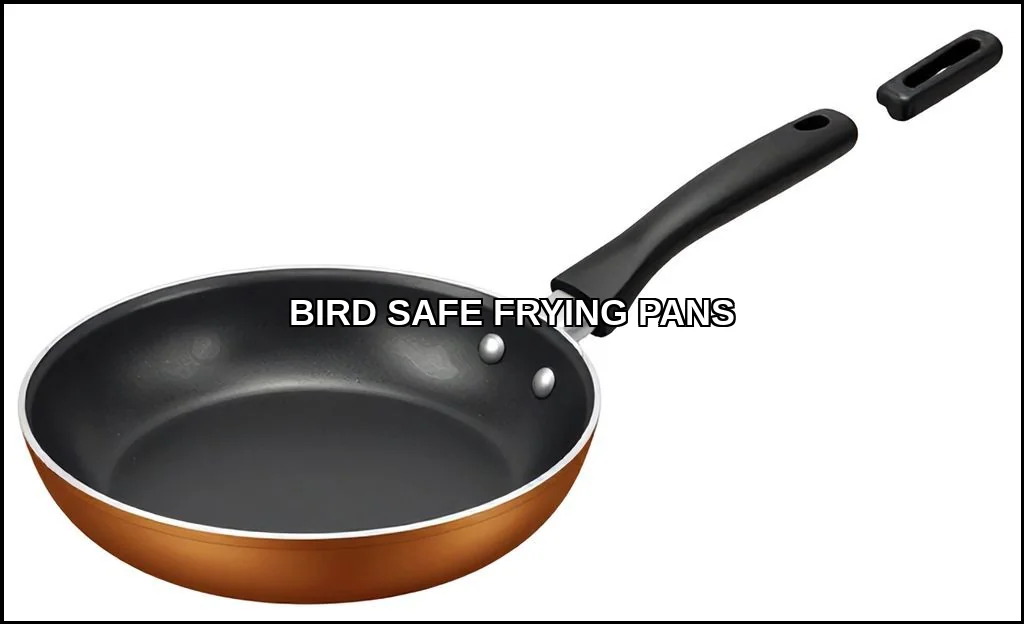
The good news is that safe, high-performing options exist. One popular choice among avian enthusiasts is the GreenLife Soft Grip. It features a ceramic non-stick coating free from the concerning chemicals we’ll discuss, making it a solid starting point for a safer kitchen. Let’s break down why this matters and how to make the switch.
Why Teflon is Dangerous to Birds
It all comes down to chemistry and a bird’s unique biology. The slick surface in traditional nonstick pans is usually made from PTFE (Polytetrafluoroethylene), commonly known by the brand name Teflon. When overheatedoften above 500F (260C)this coating begins to thermally degrade, releasing toxic fumes.
These fumes are devastating to birds. Their respiratory systems are incredibly efficient, with air sacs that cycle air rapidly. This same efficiency means toxins are absorbed almost instantly. Exposure can lead to a condition sometimes called “Teflon toxicosis” or Polymer fume fever, causing respiratory distress, convulsions, and death within minutes. It’s a stark, non-negotiable risk.
While many modern pans are PFOA-free (a processing chemical), the core PTFE polymer itself is the primary source of danger when overheated. Understanding this specific PTFE toxicity is the first step in protecting your pet’s bird respiratory safety.
The Critical Temperature Threshold
Most resources vaguely warn about “overheating.” Let’s get specific. Studies show significant fume release from PTFE coatings begins around 536F (280C). An empty pan on high heat can reach this in under five minutes. Cooking oils start smoking well before this point (around 400-450F), which is your visual cue to immediate danger. This is a key missing entity in many discussions: the specific temperature thresholds for fume release.
Bird-Safe Cookware Materials Explained
So, what pans are safe for birds? You need to move away from traditional PTFE-based nonstick. Fortunately, several excellent categories of non-toxic frying pans offer great performance without the risk.
Ceramic Non-Stick Coating
This is a top choice for those who love the convenience of nonstick. A ceramic coating is typically made from sand-derived silicon and lacks PTFE and PFOA. Brands like GreenPan and Caraway have popularized this category. It’s often the best ceramic frying pan for parrot owners seeking a direct replacement. However, note its durability: the non-stick performance may diminish faster than traditional coatings, so gentle care is key.
Stainless Steel
A kitchen workhorse. Stainless steel is inert, meaning it won’t release harmful fumes at any temperature. It’s completely safe, durable, and excellent for searing. The learning curve involves proper preheating and using a bit of oil or fat to prevent sticking. For many, it’s the ultimate in avian safe cookware.
Cast Iron
Properly seasoned cast iron offers a natural, non-stick surface that’s completely bird-safe. It’s incredibly durable and can last generations. It requires more maintenance to keep its seasoning intact, but for many cooks, the performance and safety are unmatched. It’s a classic example of pet safe kitchenware.
| Material | Bird Safe? | Key Pros | Key Cons |
|---|---|---|---|
| Ceramic Coating | Yes (PTFE/PFOA-free) | Excellent non-stick, easy cleanup, often colorful | Coating durability can be less than traditional nonstick |
| Stainless Steel | Yes | Extremely durable, safe at all temps, great for searing | Food can stick without proper technique |
| Cast Iron | Yes | Natural non-stick when seasoned, superb heat retention | Heavy, requires regular seasoning maintenance |
| Traditional Non-Stick (PTFE) | No | Superior non-stick performance | Releases lethal fumes when overheated |
Top Bird-Safe Frying Pan Brands
Several brands have built reputations in the PTFE free cookware space. It’s not just about the material, but also about third-party safety certifications and manufacturing integrityanother often-missing entity in competitor content.
- GreenPan & GreenLife: Pioneers in ceramic non-stick. Their Thermolon coating is a popular, PTFE/PFOA-free option. They often highlight independent testing for safety.
- Caraway: Offers aesthetically pleasing ceramic-coated sets with a focus on non-toxic materials and an integrated storage system.
- Our Place: Known for their Always Pan, which uses a ceramic non-stick coating advertised as free from PTFE, PFOA, and other toxins.
- Legacy Brands (All-Clad, Lodge): For stainless steel and cast iron, these brands represent the gold standard in durability and performance, with a long history of safe use.
How to Identify and Transition to Safe Cookware
Wondering how to tell if a pan is bird safe? Start by checking the label or manufacturer’s website. Look for explicit claims: “PTFE-Free,” “PFOA-Free,” “Ceramic Non-Stick,” or “100% Stainless Steel.” Be wary of vague terms like “eco-friendly” or “green” without specific material details.
Transitioning your kitchen is a process. You don’t need to replace everything at once. Start with your most frequently used, high-heat items like frying pans and saucepans. A common question is, are stainless steel pans safe for birds? Absolutelythey are one of the safest choices you can make.
When researching, consider how other household factors affect your bird, like understanding how does disease transmission work in avian species. A holistic approach to safety is best.
The Importance of Third-Party Certifications
Look for seals from organizations like NSF International or statements about compliance with FDA or California Proposition 65 standards. These indicate a brand has invested in verifying its safety claims, adding a layer of trust beyond marketing copy.
Cleaning and Maintenance Best Practices
Proper care extends the life of your safe cookware, especially delicate ceramic coatings. Always check the manufacturer’s instructions first.
- Use the right tools: Avoid metal utensils and abrasive scouring pads on ceramic or seasoned cast iron. Opt for wood, silicone, or nylon.
- Cool before washing: Sudden temperature changes can warp pans and damage coatings. Let pans cool slightly before adding water.
- Choose mild cleaners: Harsh chemicals can degrade ceramic coatings and strip cast iron seasoning. Use gentle dish soap and warm water.
- Dry thoroughly: Prevent rust on cast iron and stainless steel by drying them completely after washing. A quick heat on the stove ensures it.
- Reseason cast iron: Maintain its natural non-stick surface by applying a thin layer of oil and heating it periodically.
Just as you’d maintain a best outdoor habitat for wild birds, maintaining your cookware ensures a safe indoor habitat for your companion.
Building a Comprehensive Safe Kitchen
Your frying pan is a major risk, but other kitchen hazards exist. Self-cleaning oven cycles, aerosol sprays, and certain cleaning products can also emit fumes harmful to birds. Always ensure good ventilation. For a comprehensive authority guide on household dangers, the AVMA provides an excellent official source for pet owners.
The trade-off isn’t really between safety and performance anymore. It’s about choosing the right type of performance. A well-seasoned cast iron skillet provides a superb sear. A high-quality stainless steel pan offers unparalleled pan sauces. A modern ceramic pan gives easy eggs and pancakes.
Protecting your bird means understanding the science, scrutinizing labels, and committing to safer materials. It’s a simple, non-negotiable upgrade for any household with avian members. Start with one pan. See the difference. Your cooking won’t suffer, and your bird’s safety will be assured. Thats a win for every meal.