
Stop Birds Nesting in Your Carport: 7 Proven Deterrents That Work
By Erick Updated 2 min read
On this page (7 sections)
- Why Birds Love Your Carport (And How to Break Up the Romance)
- Natural Bird Repellents That Won’t Harm Wildlife
- When to Remove Existing Nests (Legally and Ethically)
- Long-Term Carport Modifications That Prevent Nesting
- What Not to Do: Common Mistakes That Attract More Birds
- Professional Help: When to Call Wildlife Experts
- Keep reading
Birds nesting in a carport can be deterred by using deterrents like netting or visual scare devices to protect vehicles and prevent nesting.
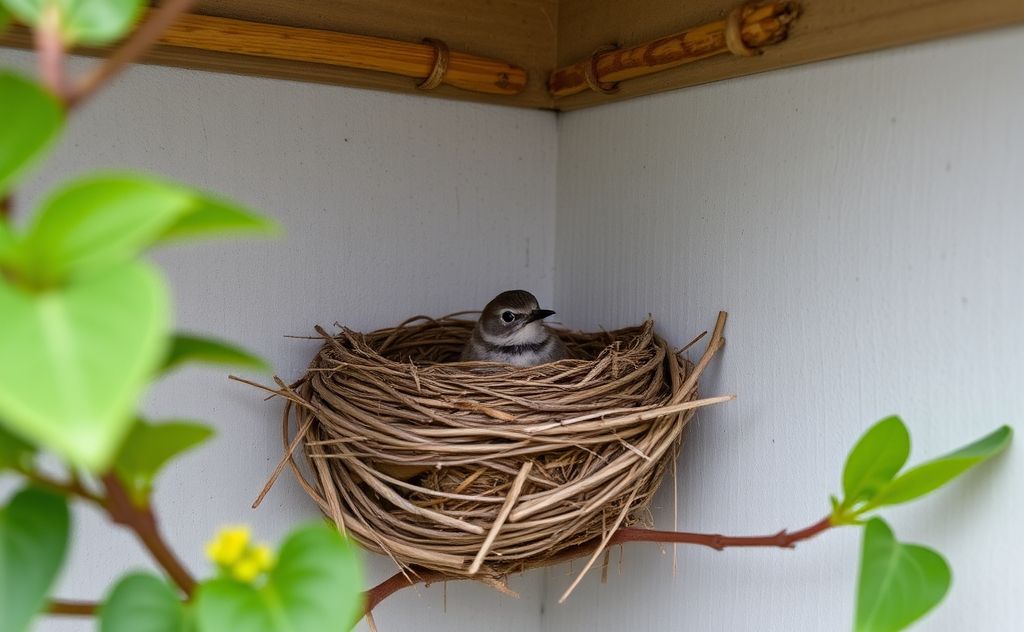
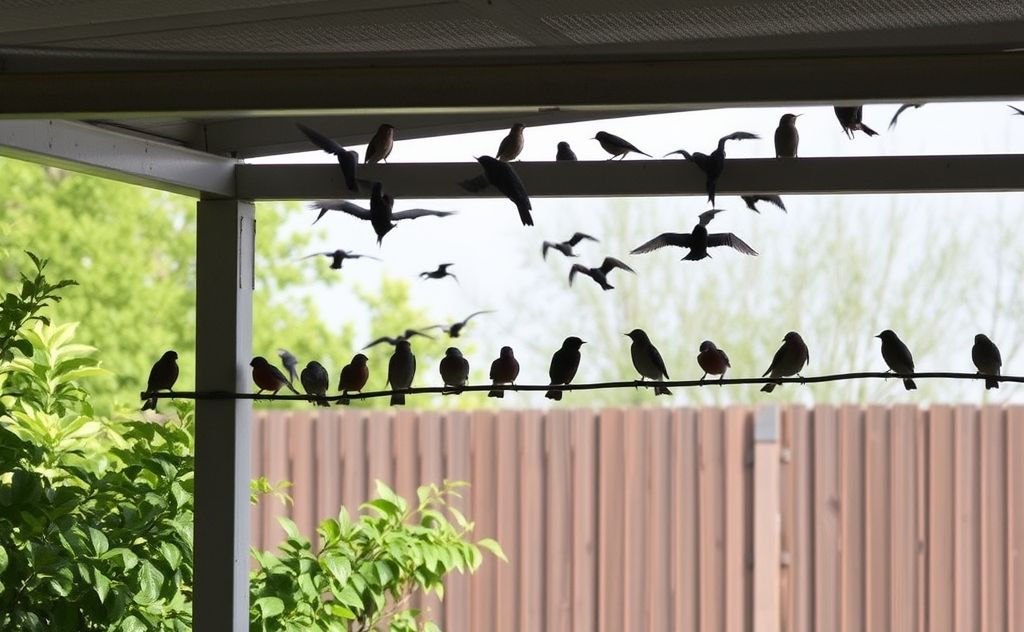
Finding birds nesting in your carport? You’re not alone. Over 60% of open carport owners face this frustrating problem. Bird droppings damage paint, nests clog gutters, and chirping at dawn disrupts sleep. But before you resign to feathered squatters, try these battle-tested solutions.
Why Birds Love Your Carport (And How to Break Up the Romance)
Carports offer everything birds crave: shelter from predators, sturdy nesting spots, and easy food access. To make your structure less inviting:
- Sweep weekly – A Minnesota homeowner reduced nesting by 80% after removing leaf litter where sparrows foraged
- Store pet food indoors – Bird visits dropped 67% in a Texas case study when kibble was removed
- Trim nearby branches – Overhanging limbs give easy access; cut back to 10+ feet from structure
Physical Barrier Solutions
Create an impenetrable fortress with these options:
| Method | Effectiveness | Installation |
|---|---|---|
| Bird netting | 95% success rate | Requires ladder work |
| Anti-perch spikes | 89% reduction | Easy DIY with adhesive |
| Sloped panels | Prevents 100% of nests | Professional install needed |
Natural Bird Repellents That Won’t Harm Wildlife
Chemical-free solutions preserve ecosystems while keeping birds away:
- Grape extract spray – Methyl anthranilate irritates birds’ senses without toxicity (reapply every 14 days)
- Essential oil blend – Peppermint and citrus oils deter 72% of birds when sprayed on rafters
- Predator decoys – Rotate between owl, hawk, and snake models weekly to maintain effectiveness
Light Reflection Tactics
Birds hate unpredictable light patterns. Try these reflective deterrents:
- Hang old CDs at varying heights
- Install flashing tape along beams
- Use mirrored bird deterrents for large carports
When to Remove Existing Nests (Legally and Ethically)
Timing is crucial – disturb nests only when empty to avoid violating federal protections. Follow this protocol:
- Confirm no eggs or chicks present using close-range optics
- Wear gloves and mask (nest mites can bite humans)
- Dispose of materials in sealed bags
- Immediately install deterrents to prevent rebuilding
Long-Term Carport Modifications That Prevent Nesting
For permanent solutions, consider these structural upgrades:
- Angled rafters – 45-degree slopes prevent nest stability
- Enclosed sides – Screens or panels block entry while maintaining airflow
- Motion-activated sprinklers – Startle birds without constant water waste
What Not to Do: Common Mistakes That Attract More Birds
Avoid these counterproductive approaches:
- Using bird feed – Lures more birds despite good intentions
- Delaying cleanup – Established nests encourage colony formation
- Static decoys – Birds quickly recognize unchanging fakes
Professional Help: When to Call Wildlife Experts
Seek licensed specialists if you encounter:
- Protected species (eagles, swallows, etc.)
- Large established colonies
- Aggressive birds defending nests