
You’re looking at your backyard, maybe a bit bare, and thinking about bringing in some life. The right bird food can transform that space into a bustling hub of activity. For many bird enthusiasts, the journey starts with a single, powerful choice: black oil sunflower seeds.
They’re not just another bag of bird seed. These small, matte-black seeds are the undisputed champion of backyard bird feeding. If you’re aiming to attract the widest variety of wild birds with minimal fuss, this is where you begin. For a reliable and popular option that many birders start with, you can find Wagners 52023 Black oil sunflower seed on Amazon.
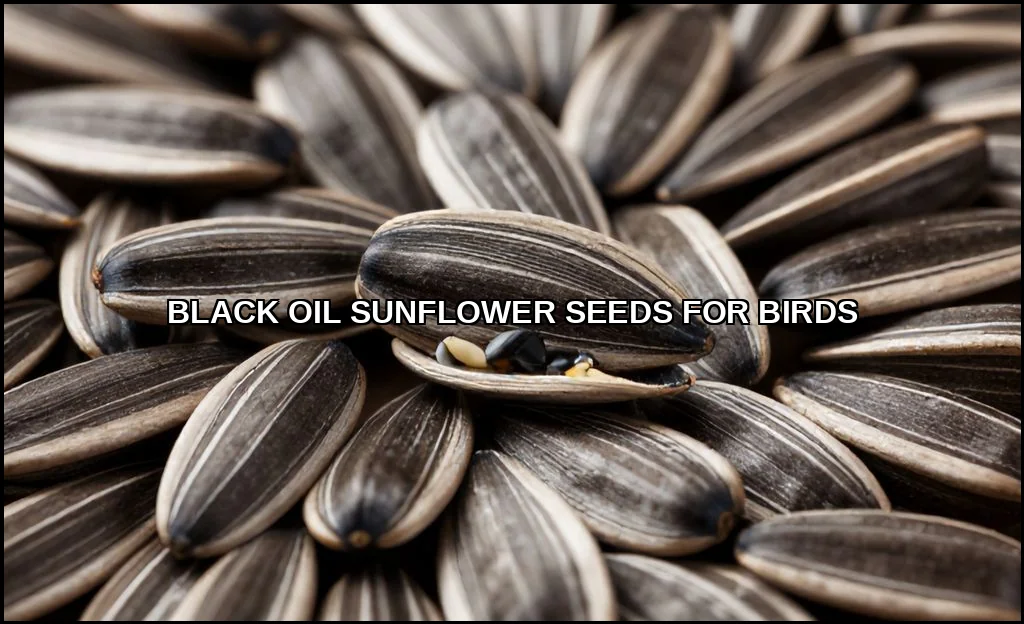
What Are Black Oil Sunflower Seeds?
Think of them as the premium fuel of the bird world. Unlike the larger, striped sunflower seeds you might snack on, black oil sunflower seeds are cultivated specifically for their high oil content and thin shells. That thin shell is a game-changer. It’s easy for almost all birds to crack open, from tiny finches to robust cardinals.
This accessibility means less energy spent on hulling and more nutritious meat consumed. Its a key reason theyre often hailed as the best bird seed for a general audience. The high fat content provides crucial energy, especially during colder months or breeding season.
Black Oil vs. Striped: A Quick Comparison
It’s a common point of confusion. Heres the breakdown:
| Feature | Black Oil Sunflower Seeds | Striped Sunflower Seeds |
|---|---|---|
| Shell | Thin, black, easy to crack | Thicker, striped, harder to crack |
| Meat-to-Shell Ratio | Higher | Lower |
| Primary Consumers | Virtually all seed-eating birds | Larger birds like jays, grosbeaks |
| Mess Factor | Lower (but shells still accumulate) | Higher |
The difference between black oil and striped sunflower seeds for birds ultimately comes down to accessibility. Black oil is the universal choice.
Nutritional Benefits for Birds
Why are black oil sunflower seeds good for birds? It’s all about dense, efficient nutrition. These seeds pack a serious punch.
- High Fat & Calories: The high oil content provides essential energy for thermoregulation in winter and sustained activity in summer.
- Rich in Protein: Supports muscle development and is critical during molting and for raising young.
- Fiber and Key Minerals: Aids digestion and provides calcium, iron, and potassium.
This nutritional profile makes them a superb year-round food. However, you might adjust how much you offer seasonally. In winter, birds rely on this high-energy food to survive freezing nights. In summer, it supports the exhausting work of rearing fledglings. It’s a good practice to be aware of local disease advisories, like how does avian influenza affect feeding protocols, to keep your backyard flock safe.
Which Birds Eat Black Oil Sunflower Seeds?
The list is impressively long. This seed’s versatility is its superpower. You’ll likely see these common visitors:
- Northern Cardinals: A brilliant red favorite. If you’re wondering how to attract cardinals with sunflower seeds, a tray or hopper feeder filled with black oil is your best bet.
- Blue Jays: Their loud calls and bold colors are a vibrant addition.
- Chickadees, Titmice, and Nuthatches: These acrobatic smaller birds love them.
- Finches (Goldfinches, House Finches): They’ll cling to feeders and crack seeds with ease.
- Sparrows and Doves: Ground-feeding species will clean up any spillage.
But look beyond the usual suspects. Your regional species might include woodpeckers (like the Downy), grosbeaks, and even some wary species that will venture closer for this reliable food source. It truly does attract the widest variety.
A Note on Unlikely Visitors
Your feeder might attract more than just songbirds. You might spot larger corvids showing interest. It’s fascinating to consider the evolutionary paths of different birds, like the theories behind why crows and their relatives have such dark plumage, as they scout for an easy meal.
How to Feed Black Oil Sunflower Seeds
You’ve got the seed. Now, let’s talk strategy. How to feed sunflower seeds effectively involves matching the feeder to the bird.
- Hopper or House Feeders: Excellent all-purpose choices. They protect seed from rain and dispense it gradually. Perfect for cardinals, jays, and grosbeaks.
- Tube Feeders: Ideal for smaller birds like chickadees, finches, and titmice. Look for tubes with larger ports to accommodate the seed size.
- Tray or Platform Feeders: Attract ground-feeding birds like doves, juncos, and sparrows. They also give shy birds a comfortable feeding spot.
- On the Ground: Simply scattering some seed in a clean, open area works too. Just be mindful of attracting rodentsconsider a ground feeder cage.
For a truly no waste solution, consider sunflower hearts (the hulled meat). They leave no shells behind, eliminating mess under feeders. Brands like Kaytee and Pennington offer “no-mess” blends that often feature sunflower hearts prominently. This is a premium option that every bird can eat immediately.
DIY Feeder Project Idea
Want a simple weekend project? Create a basic platform feeder from a scrap piece of wood with a small lip. Coat it with a non-toxic sealant, add a few drainage holes, and mount it on a post. Its a cost-effective way to offer black oil seeds and observe who comes to dine.
Buying Guide: What to Look For
Not all bags are created equal. When deciding where to buy black oil sunflower seeds in bulk, quality matters.
Key Selection Criteria:
- Freshness: Seed should smell nutty and fresh, not musty or sour. Old seed loses nutritional value and can grow mold.
- Cleanliness: Look for minimal dust, plant debris, and empty shells in the bag. A lot of chaff means you’re paying for waste.
- Reputable Brands: Established names like Wagner’s, Kaytee, and Pennington generally maintain consistent quality standards. Store brands can be hit or miss.
Storage is Half the Battle
To maintain freshness, store seed in a cool, dry place. A metal or thick plastic bin with a tight seal is ideal. It keeps moisture out and deters pests. Buy in bulk to save money, but only if you have proper storage to keep it fresh for several months.
Understanding Product Categories
You’ll see a few main types on the shelf:
- Pure Black Oil Sunflower Seed: Your 100% pure, versatile option. What we’ve discussed here.
- Bird Seed Mixes: Often contain black oil seeds mixed with millet, corn, etc. Check the ratiosometimes black oil is just a minor component.
- Sunflower Hearts/No-Waste Blends: Hulled seeds. More expensive but zero mess and 100% edible. Perfect for patios or areas where shell cleanup is undesirable.
Your backyard is a stage, and the right bird food sets the scene. Black oil sunflower seeds are the most reliable casting call you can make. They deliver unparalleled nutritional value, attract a stunning array of characters, and fit into any feeding routine. Start with a quality bag, choose a feeder or two, and be patient. The flutter of wings and the splash of color will follow. Remember, bird feeding is a partnership with natureoffer clean food in a safe space, and you’ll enjoy the show for seasons to come.
