
You’re considering a Meyer’s Parrot and wondering about their famous talking ability. Can these compact, green birds really hold a conversation? The short answer is yes, but with important nuances. Their speech isn’t like an African Grey’s, but they possess a charming, often surprising, capacity for mimicry and vocal learning.
Understanding a Meyer’s Parrot’s talking potential means looking beyond a simple yes or no. It involves their natural behaviors, your training approach, and the unique bond you build. This guide cuts through the myths and gives you a clear, practical look at what to expect and how to encourage clear speech.
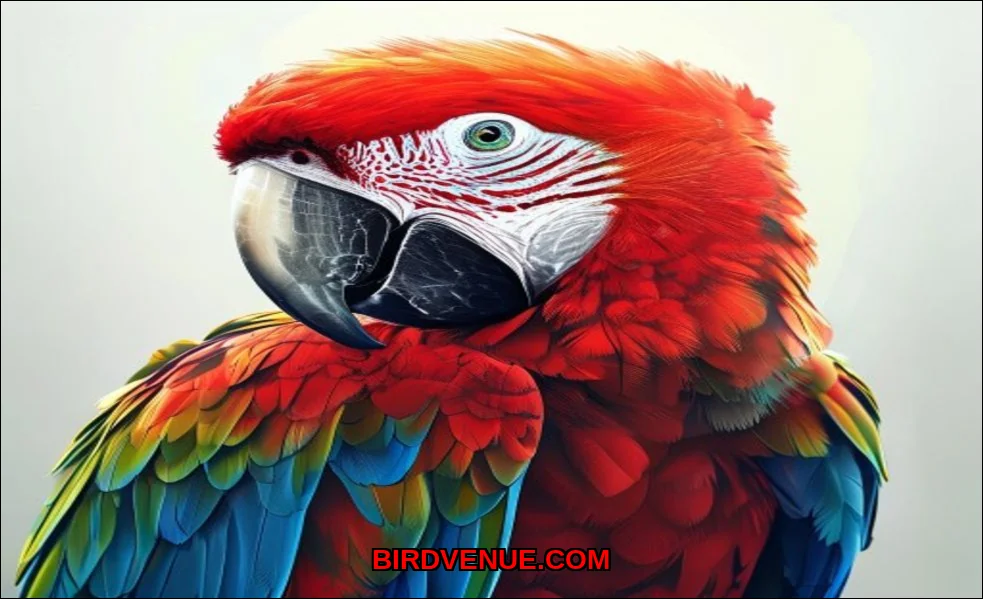
Meyer’s Parrot Talking Ability: A Realistic Overview
Meyer’s Parrots (Poicephalus meyeri) are absolutely capable of talking. They are part of the Poicephalus genus, known for intelligent, quieter parrots with good mimicry skills. However, calling them “excellent” talkers requires context. Their voices are often softer, slightly gravelly, and less clear than larger parrots. Think of it as charming mumbling rather than crystal-clear diction.
Their mimicry extends beyond words. You might hear them perfectly replicate your microwave beep, a sneeze, or the squeak of a door. This talent for environmental sounds is a hallmark of their intelligence. When it comes to a Meyer’s parrot vocabulary, expect a modest collection. A dedicated bird might learn 20-50 words or short phrases, often using them in surprisingly appropriate contexts.
Factors That Influence Talking Capability
Not every Meyer’s will talk. Several key factors determine their likelihood and skill level.
- Individual Personality: Just like people, some birds are chatterboxes and others are quiet observers. There’s no guarantee.
- Age and Socialization: Younger birds are generally more receptive to vocal learning. A hand-fed parrot raised with frequent human social interaction from a fledgling will have a significant advantage.
- Your Training Consistency: This is the variable you control. Sporadic attempts yield sporadic results.
- Environment: A stressed, bored, or lonely bird won’t be motivated to learn. A stimulating, secure environment is foundational.
Scientific research on Poicephalus vocalization suggests their mimicry is linked to social bonding. They aren’t just parroting sounds; they’re integrating into your “flock” by adopting its acoustic signals. This is a key insight for effective training.
How Meyer’s Parrots Compare to Other Talking Birds
Setting realistic expectations is crucial. Heres how Meyer’s stack up against other popular talking species.
| Species | Talking Clarity & Volume | Vocabulary Potential | Mimicry of Sounds | Best For |
|---|---|---|---|---|
| Meyer’s Parrot | Moderate; softer, gravelly tone | Moderate (20-50+ phrases) | Excellent | Owners wanting a quieter, affectionate talker |
| African Grey Parrot | Exceptional; clear, human-like | Extensive (100s of words) | Exceptional | Dedicated owners focused on vocal ability |
| Amazon Parrot | Very Good; loud, clear | Large | Very Good | Experienced owners comfortable with noise |
| Budgerigar (Parakeet) | Good; fast, high-pitched | Large (but often unclear) | Good | Beginners or those with space constraints |
The classic Meyer’s vs African Grey talking comparison highlights a trade-off. African Greys are the unmatched champions of avian speech development. But they demand immense time, intellectual stimulation, and can be neurotic. Meyer’s offer a more manageable, cuddly companion with decent talking as a potential bonus, not the sole reason for ownership. For more on compact conversationalists, explore our guide to small parrots that can talk.
Effective Training Techniques for Speech Development
So, how do you teach a Meyer’s parrot to speak clearly? Success hinges on patience and smart strategy. Forget marathon sessions. Short, positive, and frequent interactions win the race.
Step-by-Step Guide to Teaching Speech
- Build Trust First: Your bird must see you as a source of safety and fun before it wants to imitate you. Spend weeks just bonding.
- Start with Simple Sounds: Begin with easy, high-interest words. “Hello,” “Step up,” or their name. Use a consistent, enthusiastic tone.
- Leverage Key Moments: Say “Good morning!” when you uncover the cage. Say “Yummy!” when offering a favorite treat. Context helps.
- Use Positive Reinforcement Instantly: The millisecond they attempt the sound, reward them. A tiny piece of pine nut, sincere praise, or a head scratch. Timing is everything.
- Incorporate Tools: A training clicker can mark the exact moment of a correct attempt, making your communication crystal clear. For this, many trainers find a Getting Started Clicker incredibly helpful for creating that precise association.
- Keep Sessions Short: Five minutes, twice a day, is far better than one frustrated half-hour.
- Record and Playback: Recording your voice saying a target phrase and playing it on a loop for 15-20 minutes a day can provide extra repetition.
Remember, the goal is social interaction, not performance. If you force it, they’ll shut down. Pay attention to their developmental stages of vocal learningbabbling and experimenting with sounds is a great sign!
Care Considerations for a Vocal Meyer’s Parrot
Your bird’s ability to talk is deeply tied to its overall wellbeing. You can’t separate the two.
- Mental Stimulation is Non-Negotiable: A bored parrot is a silent, plucking, or screaming parrot. Rotate a variety of bird toysforaging puzzles, shreddables, and foot toys. Think of toys as their “work.”
- Diet Fuels the Brain: A seed-only diet leads to poor health and lethargy. A high-quality pellet base, supplemented with fresh veggies, nuts, and some fruit, provides the nutrients for an active, engaged mind.
- The Right Environment: Place their parrot cage in a socially active part of your home (but not in chaos). They learn by observing and listening to the household’s rhythm. Ensure they get 10-12 hours of uninterrupted sleep in a dark, quiet space for optimal cognitive function.
- Social Time is Learning Time: Simply having them out with you while you do chores, talking to them naturally, is a powerful training session. They are absorbing your speech patterns and intonation.
If you’re wondering are Meyer’s parrots good talkers for beginners, the answer is a cautious yes. Their smaller size, quieter nature, and affectionate disposition make them more manageable than many larger, more demanding talkers. They are a fantastic introduction to the world of talking birds for a committed novice. For a broader look at feathered family members, check out our list of household parrots that can talk.
What If Your Meyer’s Parrot Doesn’t Talk?
First, don’t take it personally. Their value isn’t tied to their vocabulary. You may have a quiet individual. Focus on the other wonderful traits: their playful antics, their gentle cuddles, their intelligence in solving puzzles. The bond you share is what matters most. An acoustic analysis of Meyer’s parrot speech would show incredible individual variationit’s part of their charm.
A Meyer’s Parrot can be a delightful, talking companion, but they are not a recording device. Their speech is a byproduct of a happy, healthy, and deeply bonded life with you. Manage your expectations, focus on consistent, positive training, and above all, enjoy the unique personality of your bird. Whether they master a dozen phrases or simply perfect your laugh, the real conversation is the one built on mutual trust and daily companionship.
