
You’ve probably seen the videos. A parrot perfectly mimicking a phrase, a laugh, or even a song. It’s fascinating, and maybe a little uncanny. But have you ever wondered how they do it? Can parrots truly pronounce human sounds, or is it just clever mimicry?
The answer is a resounding yes, but with fascinating caveats. Their ability isn’t magic; it’s a complex interplay of unique anatomy, advanced brainpower, and social instinct. Understanding this can transform how you interact with your own feathered friend. For those inspired by the idea of a highly vocal companion, a realistic Talking Macaw Parrot toy can be a fun way to spark interest, though nothing compares to the real bond of teaching a live bird.
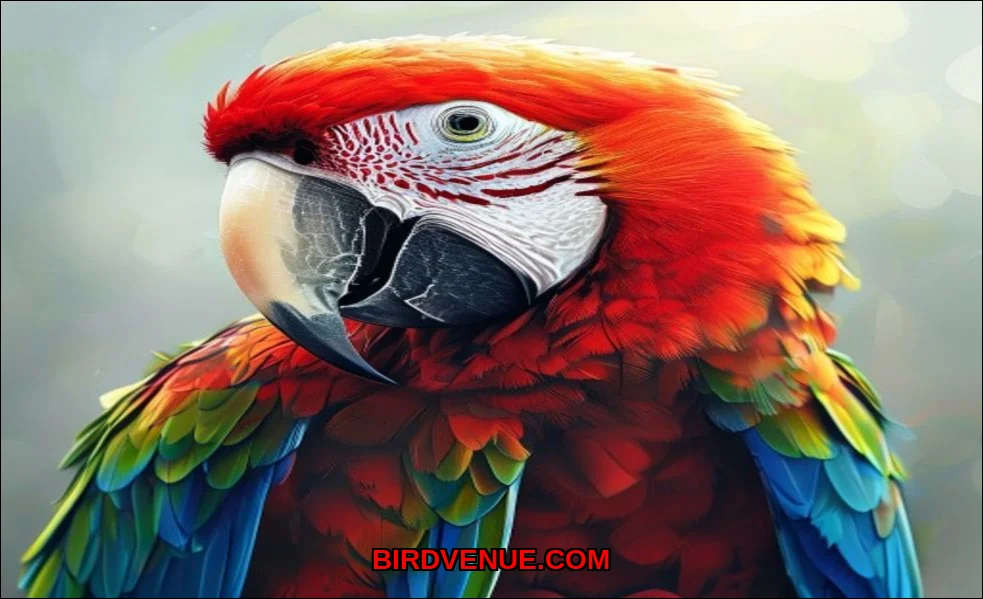
How Parrots Produce Human Sounds: The Syrinx
Your vocal cords are in your larynx. A parrot’s secret weapon is lower down. It’s called the syrinx, a specialized organ located where the trachea splits into the two bronchi. This structure is incredibly sophisticated, allowing for independent control of sound from each bronchus.
Think of it as a dual-chambered instrument. This gives parrots an astonishing range of control over pitch, tone, and volume. They can produce two different sounds simultaneously, creating the complex modulations we recognize as speech. Their tongues, while thick, are also surprisingly agile, helping shape sounds after they’re produced in the syrinx.
Why Parrots Mimic: Social Intelligence and Survival
So, they can make the sounds. But why would they? In the wild, mimicry is a survival tool. Parrots are flock animals with complex social structures. Learning and replicating the calls of their flock mates strengthens social bonds and establishes identity.
In your home, you become their flock. Your words, the ringtone, the microwave beepthese are the new “flock calls.” They mimic to fit in, to communicate, and to get your attention. It’s a sign of social intelligence, not just a party trick. This drive is the foundation of vocal learning, the ability to hear a sound and reproduce it.
Which Parrot Species Are Best at Talking?
Not all parrots are created equal when it comes to parrot talking ability. While many can learn, some species are renowned for their clarity and extensive vocabularies. Heres a quick comparison of top talkers:
| Species | Talking Ability | Key Traits |
|---|---|---|
| African Grey Parrot | Exceptional. Known for precise pronunciation and contextual use. | High intelligence, often understands meaning. |
| Amazon Parrot | Excellent. Clear, loud voices, often enjoy singing. | Social, outgoing personalities. |
| Budgerigar (Budgie) | Very Good. Can learn large vocabularies, though voice is high-pitched. | Small size, males are often more prolific talkers. |
| Cockatoo | Good. Can learn words and phrases clearly. | Demanding, emotionally complex, prone to loud screams. |
| Macaw | Moderate. Can learn words, but often prefers loud calls. | Powerful voice, more known for personality than speech. |
If you’re asking what parrot species can pronounce words clearly, the African Grey often tops the list. However, individual personality matters immensely. A sociable budgerigar might out-talk a shy Amazon.
The Science Behind the Skill: Brain Structure and Vocal Learning
The real marvel isn’t just the syrinx. It’s the brain. Parrots possess a unique neural architecture for sound processing. They have “song system” nuclei, similar to those in songbirds and humans, that are dedicated to learning and producing complex vocalizations.
This gets to the core of how does a parrot’s brain process human speech. When you speak, your parrot isn’t just recording noise. Specialized brain circuits analyze the sound’s pattern, pitch, and rhythm. Then, through trial and error, they use their syrinx to match it. This process of vocal learning is rare in the animal kingdom, shared only by a few groups like parrots, hummingbirds, dolphins, and us.
It’s crucial to distinguish between pronunciation and comprehension. A parrot can perfectly mimic “Want a grape?” without understanding what a grape is. Some, especially African Greys, can learn associative meaning, but the initial drive is acoustic, not semantic. Their diet is also important; always check if treats are safe, like understanding can parrots eat grapes before using them as a training reward.
Practical Guide: How to Teach Your Parrot to Pronounce Words
Ready to encourage your parrot’s talent? Success hinges on patience and positive reinforcement. Heres a practical method.
Set the Stage for Success
Start young if possible. Parrots have a critical specific age when parrots learn best, often during their first year. Choose a quiet time when your bird is calm and attentive, perhaps in the morning. Have a favorite treat readysomething small and irresistible.
- Start Simple: Pick a short, clear word or sound. “Hello,” “Hi,” or a whistle. Consistency is key.
- Repeat, Repeat, Repeat: Say the word enthusiastically every time you interact. Your emotion matters. They pick up on excited, happy tones.
- Reward Attempts: The moment your bird makes any sound resembling the word, immediately offer praise and a treat. You’re rewarding the effort, not perfection.
- Associate with Actions: Say “Up!” when stepping up. Say “Apple” when offering a piece. This builds context.
- Keep Sessions Short: Five to ten minutes, multiple times a day, beats one long, frustrating session.
Advanced Tips: Pitch, Tone, and Clarity
Notice the role of pitch and tone in parrot pronunciation. Parrots often mimic the exact voice they hear. A man with a deep voice might have a parrot that sounds like him. A woman might have a parrot with a higher-pitched mimicry. Some birds find higher-pitched voices easier to copy. Be mindful of what you saythey pick up embarrassing phrases just as easily as “pretty bird.”
Never punish for not talking. You’ll only create fear. And remember, while training is fun, their health is paramount. Always avoid toxic foods; for instance, it’s critical to know why parrots cannot eat chocolate under any circumstances.
Unlocking the Mystery
The question of can all parrots learn to talk or just some species has a nuanced answer. Anatomically, most parrots have the capacity. But desire, individual intelligence, and environment dictate the outcome. The scientific explanation for why parrots can talk boils down to evolutionary adaptation: a complex syrinx for versatility, a specialized brain for learning, and a social nature that drives them to communicate.
Your parrot’s ability to pronounce human sounds is a glimpse into their advanced cognitive world. It’s not just imitation. It’s connection. By understanding the biology behind parrot vs human speech and using positive, patient training, you’re not just teaching a trick. You’re engaging in a unique form of cross-species dialogue. For a deeper dive into the evolutionary “why,” this external resource on the science of parrot vocal mimicry offers excellent context. Start with simple words, celebrate the attempts, and enjoy the remarkable conversation.
