
You’ve probably heard a parrot perfectly imitate a doorbell or recite a phrase. It’s impressive, even uncanny. But it makes you wonder: behind all that mimicry, do parrots have their own sounds? The answer is a definitive yes. Every parrot species possesses a rich library of innate vocalizations used for survival and social bonding in the wild.
Understanding this distinction is key to appreciating your parrot’s true nature. Their natural sounds are the foundation of their identity, while mimicry is a fascinating layer added on top. Recognizing their innate calls helps you interpret their mood and needs, strengthening your bond. If you’re looking to positively shape their vocal behavior, tools like the Getting Started Clicker can be incredibly useful for marking desired behaviors, whether it’s a quiet moment or a natural contact call.
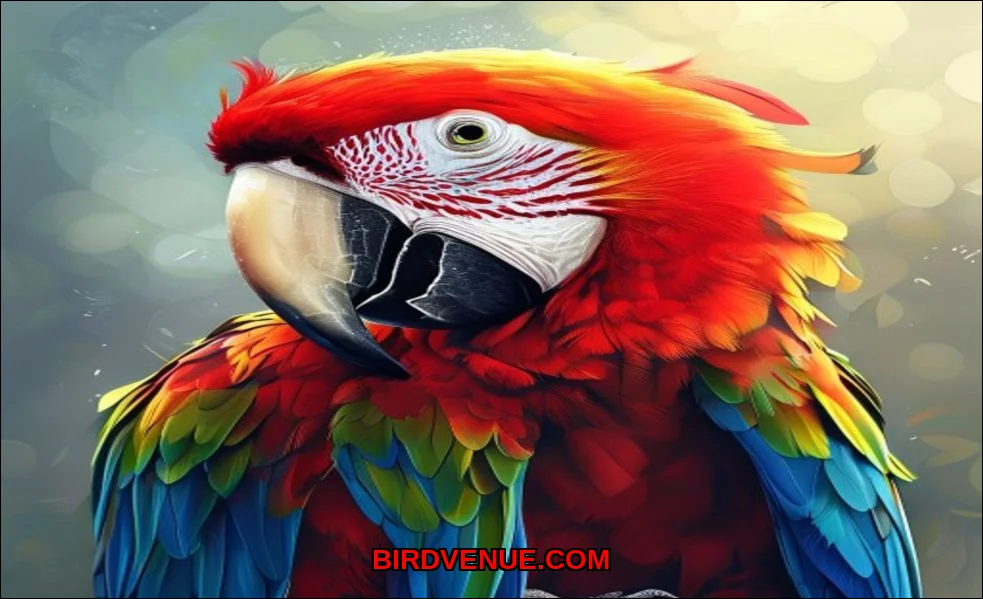
What Are a Parrot’s Natural Sounds?
Strip away the human-taught words and household noises. What you’re left with is the parrot’s authentic voice. These innate vocalizations are hardwired, present from a very young age, and shared across members of the same species. They form the core of wild parrot communication.
Think of these sounds as a parrot’s first language. They use them to maintain flock cohesion, warn of danger, signal food sources, and express emotional states. For a pet parrot, these calls don’t disappear; they are directed at you, their human flock. A common example is the loud, sharp squawk often misinterpreted as mere noise. In reality, it’s often a contact calla way of checking in to make sure you, their flock member, are still nearby and safe.
Innate vs. Learned Vocalizations: The Core Distinction
This is the heart of the matter. A parrot’s sound repertoire is a mix of instinct and incredible learning capacity.
- Innate Sounds: These are instinctual. A baby parrot will make these sounds without ever hearing another bird. They include alarm calls, certain food-begging noises, and basic contact calls. They are the essential toolkit for survival.
- Learned Sounds: This is where parrots truly shine. Through vocal learning, they can imitate sounds from their environmentother birds, animals, machinery, and human speech. This ability is rare in the animal kingdom, shared only with a few creatures like hummingbirds, whales, and dolphins.
So, when you ask are parrot sounds learned or instinctive?, the answer is both. The foundation is instinct. The impressive, adaptable overlay is learned.
Species-Specific Calls and Their Meanings
Not all parrots sound the same in the wild. Different species evolved distinct vocal “dialects” suited to their environment and social structure. Heres a look at some well-known species and their signature species-specific vocalizations.
| Species | Typical Natural Call | Common Meaning/Purpose |
|---|---|---|
| Budgerigar (Parakeet) | Rapid, chattering, musical warble | Flock communication, contentment, maintaining group contact. |
| African Grey Parrot | Low whistles, guttural clicks, sharp alarm shrieks | Complex social interaction, alarm, and location signaling within dense forest canopies. |
| Amazon Parrot | Loud, raucous squawks, screeches, and melodic whistles | Territorial announcements, flock assembly calls, and emotional expression. |
| Cockatoo | Ear-piercing screeches, softer chattering, crest-raising “hisses” | Long-distance contact calls (screech), bonding and preening sounds (chatter), threat display (hiss). |
| Macaw | Loud, throaty squawks and screams | Communication across vast distances in open habitats, pair bonding rituals. |
An intriguing aspect competitors often miss is regional dialect variations. Studies of wild parrot flocks, like certain cockatoo populations, show that groups in different geographic areas develop slight variations in their contact calls. It’s a cultural signature, passed down through learning, layered on top of the innate template.
How Do Wild Parrots Communicate With Each Other?
It’s a constant, sophisticated audio stream. At dawn and dusk, you’ll hear a cacophony of parrot flock calls as groups coordinate their movements to and from roosting sites. Specific alarm calls differentiate between a ground predator (like a snake) and an aerial one (like a hawk), prompting different escape behaviors. Soft chattering and beak clicking are used during mutual preening, strengthening social bonds. Their world is alive with sound that has direct, actionable meaning.
How Parrots Develop Their Sound Repertoire
A parrot doesn’t hatch with a full vocal portfolio. Their sound development is a journey, blending nature and nurture in fascinating ways.
Juvenile Sound Development
This is a critical phase often overlooked. A chick’s first sounds are innate begging calls. As they grow in the nest, they start to experimenta phase akin to human babbling. They practice the basic tones and rhythms of their species’ calls, refining them through feedback from their parents and siblings. In a home, a young parrot will go through this same babbling phase, mixing innate sounds with early attempts at mimicking the sounds of your household.
This developmental window is prime time for shaping positive vocal habits. Encouraging natural chirps and whistles with attention, while ignoring overly loud screams, teaches them what works. This is where understanding how parrots express complex emotions like missing their owners becomes so valuable, as vocalizations are a primary outlet.
The Science Behind Parrot Vocal Learning
So, how do they do it? The magic lies in a unique combination of anatomy and neurology.
- The Syrinx: This is the parrot’s vocal organ, located where the trachea splits into the bronchi. It’s far more complex than our larynx. With independent control over each side, a parrot can produce two different sounds simultaneously, allowing for that incredible mimicry of complex noises and even harmony.
- Brain Structure: Parrots have specialized neural circuits connecting their auditory cortex (hearing) to their motor cortex (movement control). When they hear a sound they want to copy, this pathway allows them to memorize it and then precisely control the muscles of their syrinx and tongue to reproduce it. Research shows parrots like the African Grey have a “song system” analogous to that of songbirds, but even more developed.
This biological toolkit enables not just mimicry, but contextual use. A clever parrot might learn to say “hello” specifically when you enter the room, using the learned sound in a socially appropriate way. For a deeper dive into the “why” behind this amazing ability, the research summarized by the National Audubon Society on why parrots talk is an excellent resource.
Do Parrots Have Their Own Language?
This is a common follow-up question. While parrots do not have a symbolic language with grammar and syntax like humans, they absolutely have a complex communication system. Their innate parrot sounds and learned vocalizations function as words and phrases with specific meanings within their social context.
- An alarm call means “Danger! Take cover!”
- A specific contact call means “I’m here, where are you?”
- A soft warble might mean “I am content and this is a safe place.”
When you learn to recognize these, you start to understand their language. It’s emotional, situational, and incredibly effective. Appreciating this innate communication is part of understanding the unique characteristics of different parrot species, as each has its own vocal “accent” and common expressions.
Your parrot’s voice is a blend of ancient instinct and brilliant adaptation. The squawks, chirps, and whistles are their true selfcalls for connection, expressions of joy, or alerts to perceived threats. The mimicry is a testament to their intelligence and social desire to fit in with their flock, which now includes you. By listening for their natural parrot calls and appreciating them as much as the imitated words, you connect with the wild heart of your bird. You move from just hearing noise to understanding conversation.
