You notice your bird is a bit off. Maybe it’s fluffed up, quieter than usual, or its droppings look strange. One of the most common underlying issues for these vague signs is dehydration. It’s a serious threat to avian health, often creeping up before you realize it.
Rehydrating a bird isn’t as simple as offering fresh water. When a bird is truly dehydrated, it often needs more than H2O. It needs a precise balance of salts and sugars to recover effectively. This is where understanding electrolyte imbalance and oral rehydration solution (ORS) becomes critical for any bird owner.
Understanding Avian Dehydration: Signs and Causes
Birds have a high metabolic rate and can deteriorate quickly without proper fluids. Recognizing the signs of dehydration in birds early is your first line of defense. The symptoms can be subtle. Look for sunken eyes, dry or tacky mucous membranes, loss of skin elasticity (a gentle pinch on the neck skin stays tented), and lethargy. A bird not drinking water is an obvious red flag, but sometimes they drink and still can’t absorb fluids efficiently.
What causes it? Common culprits include illness (like infections that affect does the bird flu), stress from environmental changes, diarrhea, excessive heat, or simply not liking the water dish’s location. The goal is swift avian rehydration to prevent organ damage.
The Critical Role of Electrolytes in Bird Health
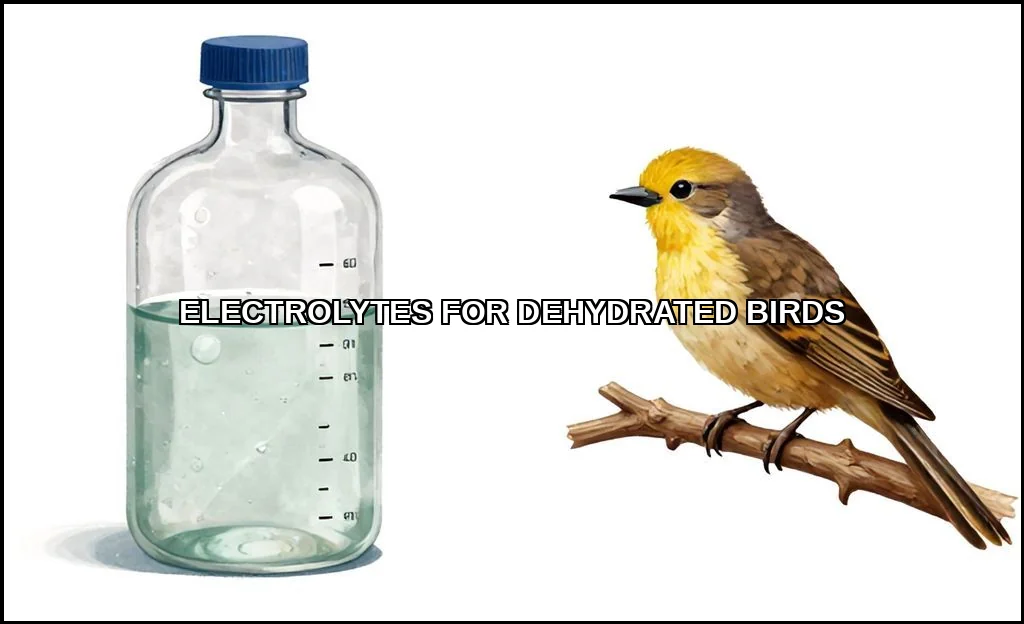
Electrolytessodium, potassium, chloride, and bicarbonateare minerals that carry an electrical charge. They regulate nerve function, muscle contraction, and most importantly, fluid balance within cells. During dehydration, a bird loses these vital minerals. Replacing water alone can dilute the remaining electrolytes further, worsening the imbalance.
This is why a balanced avian electrolyte solution is so effective. The magic isn’t just in the salts. A small amount of glucose (sugar) is a key component. It actively drives the absorption of sodium and water across the intestinal wall, a process called co-transport. This makes an ORS far superior to plain water for bird fluid therapy. The concentration matters immensely; a solution too strong can pull water out of cells, making dehydration worse.
Commercial Electrolyte Products for Birds
For reliable and precise bird electrolyte supplement options, commercial products are your safest bet. They are formulated specifically for avian physiology, taking the guesswork out of mixing. These typically come as powders or concentrates you add to water.
Brands like VetArk offer well-regarded avian-specific products. They fall into categories like oral rehydration salts (powder) and electrolyte concentrates. Many also double as avian vitamin supplements, providing a broader health boost. When choosing a best electrolyte powder for dehydrated parrots or smaller birds, always check the dosage instructions for different sizes. The needs of a macaw versus a finch are vastly different.
For comprehensive care, having the right tools on hand is wise. Many avian professionals keep a well-stocked kit for emergencies. For this purpose, an 18 Piece Bundle of essential bird care items can be incredibly helpful, ensuring you have syringes, feeding tubes, and other supplies ready when you need to act fast.
Homemade Electrolyte Solutions: Recipes and Safety
In an emergency, before you can get to a store or vet, you might need to know how to make electrolytes for birds at home. The classic recipe is a starting point, but caution is paramount.
Competitors often warn against improper ratios for good reason. A standard safe oral rehydration solution birds can tolerate in the short term is:
- 1 liter of clean, warm water
- 3 tablespoons of sugar (glucose source)
- 1 teaspoon of salt (sodium chloride)
- A tiny pinch of potassium chloride (salt substitute) optional, but beneficial.
Never use sports drinks like Gatorade as-is; they contain coloring, flavoring, and sugar levels unsuitable for birds. The question “can you give pedialyte to a sick bird” is common. While unflavored Pedialyte can be used in a dire emergency, it is formulated for human infants, not birds. It should be diluted with an equal part of water and used for no more than 24 hours until an avian-specific product is obtained.
Temperature is a missing entity many guides overlook. The solution should be administered at lukewarm, body temperature (around 102-105F or 39-40.5C). A cold solution can shock their system and slow absorption.
How to Safely Administer Electrolytes to Your Bird
Knowing the solution is only half the battle. Proper administration is the other. For a bird that is alert and willing, offering the electrolyte solution in a clean, shallow dish next to its regular water may work. If not, you’ll need to assist.
Syringe feeding is the most common method for how to rehydrate a bird that won’t drink. Heres a safe approach for how to syringe feed electrolytes to a bird:
- Use a small syringe (1ml or 3ml) without a needle.
- Gently restrain the bird in a towel, leaving its head exposed.
- Place the syringe tip at the side of the beak, in the commissure.
- Administer drops SLOWLY, allowing the bird to swallow. Never squirt fluid into the back of the throat, as this can cause aspiration pneumonia.
- Offer small amounts frequentlya few milliliters every 30 minutesrather than a large volume at once.
This process requires patience and calm. If you are unsure or the bird is severely debilitated, avian veterinarian intervention is non-negotiable. They can administer subcutaneous or intravenous fluids, which is true bird fluid therapy. It’s also worth considering your bird’s long-term environment and habits; sometimes, encouraging natural behaviors can prevent issues, much like understanding which parrots are most vocal can help you provide appropriate mental stimulation.
When to Seek Immediate Veterinary Care
Home care has its limits. You must consult a vet if:
- The bird is completely listless or unable to perch.
- You see no improvement within a few hours of starting rehydration.
- The bird is vomiting or has continued diarrhea.
- You are uncomfortable with assisted feeding.
Dehydration is often a symptom, not the primary disease. A vet will diagnose the root cause, whether it’s an infection, toxicity, or something else. For the most authoritative medical protocols on this condition, you can refer to this official source on avian medicine.
Keeping your bird hydrated is a cornerstone of preventative care. Watch for the subtle signs. Have a planand the right suppliesfor an emergency. Understand that while a homemade mix can bridge a gap, commercial avian electrolytes are formulated for their unique needs. Most importantly, know when your efforts need the support of professional avian veterinarian expertise. Your proactive knowledge is what turns a potential crisis into a manageable situation, ensuring your feathered friend stays happy, healthy, and hydrated.
