
Owning a smart bird is like living with a tiny, feathered Houdini. Their curiosity and problem-solving skills are a joy to watchuntil they turn those talents toward jailbreaking. A standard cage often isn’t enough for these avian escape artists. You need a fortress, not just furniture.
The quest for a truly escape-proof cage is about matching wits with your pet. It requires understanding their behavior and investing in hardware designed to outsmart them. For many owners of larger parrots like Macaws or Cockatoos, a robust starting point is a 48 Inch Heavy duty cage, which offers the substantial build needed to contain powerful beaks and clever minds.
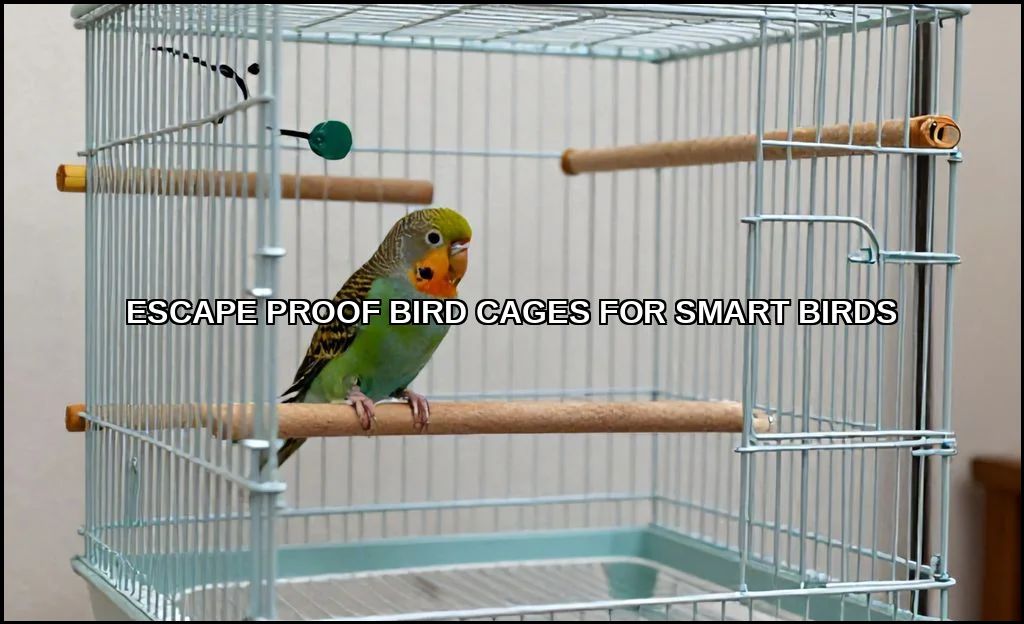
Why Your Smart Bird is an Escape Artist
Birds like African Greys, Cockatoos, and Macaws possess cognitive abilities rivaling young children. They don’t just try the door; they study it. They learn through observation, trial and error, and sheer persistence. Your Conure or Parrotlet might be smaller, but its intelligence and determination are just as formidable.
Common escape methods include:
- Latch Manipulation: Sliding bolts, lifting hooks, or even turning simple thumb latches.
- Bar Bending: Weaker cages can be pried apart, especially at weld points.
- Door Lifting: Figuring out that a door can be jiggled upward off its track.
- Distraction Tactics: Creating a fuss to lure you over, then darting out when you open the door.
This isn’t just mischief. It’s a natural expression of their intelligence and foraging instinct. A secure environment actually reduces stress by providing clear, safe boundaries. Speaking of safety, ensuring a healthy environment is paramount, which includes being aware of diseases like avian influenza. Learn more about how this does affect birds in our detailed guide.
Non-Negotiable Features of an Escape-Proof Cage
When shopping, you’re not just buying a cage. You’re investing in a secure bird enclosure. Heres what to scrutinize.
1. Military-Grade Lock Mechanisms
This is your first and most critical line of defense. Look for security latches that go beyond a simple hook.
- Bird Cage Security Locks: Keyed locks or combination padlocks are gold standards for macaws that pick locks.
- Double Locking Systems: A primary latch plus a secondary slide bolt or pin.
- Internal Latch Guards: Metal plates that prevent a bird from reaching the latch mechanism from inside.
Every access point needs this attentionmain doors, feeder doors, and playtop hatches.
2. Unyielding Construction and Materials
The cage itself must withstand immense force and constant testing.
- Heavy Duty Bird Cage Materials: Stainless steel is the ultimate for durability and corrosion resistance. Powder-coated steel is a strong, more affordable alternative, but the coating must be thick and non-toxic.
- Bar Gauge and Spacing: Thicker bars (a higher gauge number like 12 or 10) resist bending. Bar spacing must be appropriate for your species to prevent head entrapment.
- Reinforced Welds: Check that all joints are smoothly and thoroughly welded, not just tacked.
3. Intelligent Design Against Clever Beaks
Design details can make or break your parrot escape prevention strategy.
- Removable Grates and Trays: These should also have secure latching systems. A bird that escapes into the bottom tray can still get out.
- Smooth, Internal Surfaces: No exposed nuts, bolts, or screw heads inside the cage that can be loosened.
- Secure Feeder Doors: Often the weakest point. They must have the same robust locking as the main door.
For a foundational understanding of cage setup, this authority guide from avian experts is an excellent resource.
Top Cage Models for Avian Escape Artists
While many brands offer quality, some are renowned for their avian escape proof engineering. Always cross-reference model specs with your specific bird’s size and reputation.
| Bird Type | Cage Focus | Brand/Model Considerations |
|---|---|---|
| African Greys & Cockatoos | Latch intelligence, bar strength | King’s Cages are famous for their intricate locking mechanisms. Look for their “Parrot Proof” lines. |
| Macaws & Large Cockatoos | Maximum durability, industrial locks | Stainless steel cages from A&E Cage Company or Prevue Hendryx’s heavy-duty series. The best escape proof cage for African Greys often also suits smaller Macaws. |
| Conures, Amazons | Secure doors, chew-resistant finish | Powder-coated steel cages with multiple locking points. Ensure bar spacing is narrow enough. |
Remember, the bird cage that cockatoos can’t destroy is typically one designed for an even larger species. Always size up.
Setting Up Your Fortress: Beyond the Cage
A perfect cage can be compromised by poor placement and setup. Your strategy for smart bird containment extends into the room.
Cage Placement and Security Auditing
Place the cage against a wall, away from curtains or blinds a bird could climb. Conduct a daily “security audit.” Check every latch. Tug on every bar. This mimics what your bird will do. Its how you find weaknesses first.
DIY Security Enhancements
Even the best cages might need tweaks. Here are vet-approved DIY modifications:
- Add carabiner clips or small padlocks to feeder doors.
- Use stainless steel key rings to link sliding door tracks, preventing lift-off.
- Install a simple hasp and staple lock on the main door as a backup.
These low-cost fixes can transform a good cage into an escape artist parrot cage solution.
The Role of Behavioral Training
Physical security works best with mental stimulation. A bored bird is a bird obsessed with escape. Provide foraging toys, puzzle feeders, and regular, supervised out-of-cage time. Training your bird to “step up” reliably and return to the cage voluntarily is the ultimate safety behavior. It addresses the core question of how to stop my parrot from opening cage door by reducing their motivation to do so.
Enrichment is key. Sometimes, observing your bird’s natural behaviors from a distance can be fascinating and informative. For a unique perspective, check out our review of the best birdhouses with cameras to see how technology can aid in understanding avian habits.
Maintenance: The Security That Wears Over Time
Locks can jam. Powder coating can chip. Welds can fatigue. A maintenance routine is non-negotiable.
- Weekly: Clean and inspect all latches and locks for smooth operation. Check for rust or corrosion, especially on cheaper models.
- Monthly: Perform a full structural check. Apply food-safe lubricant to moving parts. Tighten any loose components.
- Annually: Consider a professional inspection if you have a very powerful bird. Re-evaluate the cage’s suitability as your bird ages or its behavior changes.
Consulting with avian veterinarians for their recommendations on cage brands and maintenance is a wise step many owners overlook. They see the results of cage failures firsthand.
Your Blueprint for Peace of Mind
Securing a smart bird is a dynamic puzzle. It blends superior hardwarethink lockable bird cage doors and stainless steel constructionwith intelligent setup, ongoing training, and vigilant upkeep. Your goal isn’t to create a prison, but a safe, stimulating home where your bird’s brilliant mind is engaged by toys and interaction, not latches and gaps.
Start with the most robust parrot resistant cage you can afford. Implement the DIY fixes. Commit to the daily check. By respecting your bird’s intelligence and proactively countering it, you create an environment where both of you can thrive, safely and happily. The peace of mind is worth every penny.
