
Picture a parrot. You likely imagine a flash of green in a lush jungle or a vibrant blue soaring over a river. That mental image is spot on for many species. Their tropical rainforests home is iconic. But the full story of a parrot’s habitat is far more diverse and fascinating. It’s a tale of adaptation, from arid savannas to misty mountains, all tied to specific environmental needs.
For parrot enthusiasts, understanding this parrot natural environment is key. It informs everything from conservation efforts to ethical pet care. Creating a stimulating space for a companion bird, for instance, often involves mimicking elements of their wild parrot ecosystem. Many owners find that a large, sturdy play stand like the Yaheetech 69-inch Wrought iron cage provides the vertical space and durability that echoes a tree’s structure, allowing for natural climbing and play. It’s a small nod to the complex world they evolved in.
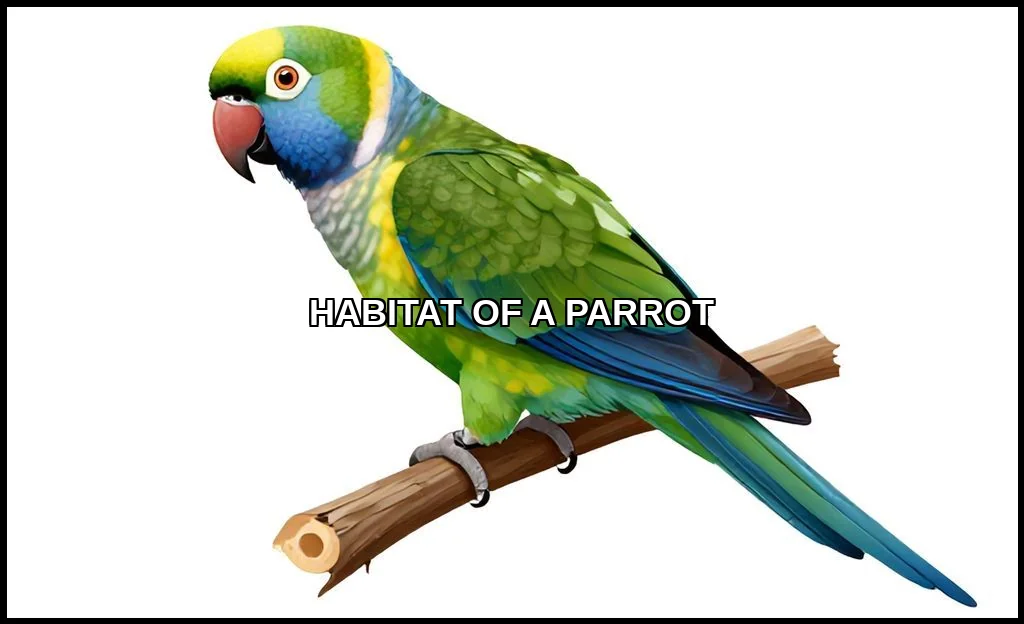
Where in the World Do Parrots Live?
The global parrot distribution is primarily a story of the Southern Hemisphere. You won’t find native parrots in Europe or Antarctica. Their stronghold is in the tropics and subtropics, with incredible diversity in specific regions. A parrot range map reveals distinct hotspots of color and life.
Major Habitat Types & Geographic Regions
While rainforests get the spotlight, parrots have conquered several major parrot biomes. Their adaptability is impressive.
- Tropical Rainforests: This is the quintessential parrot forest home for species like Amazons and Macaws. The dense, multi-layered canopy provides endless food, shelter, and nesting sites. The constant warm, humid climate supports year-round fruit and nut production.
- Woodlands and Savannahs: Species like Australia’s Galah and many African lovebirds thrive in open, drier woodlands. These habitats offer grass seeds, acacia pods, and tree hollows for nesting, with a climate featuring distinct wet and dry seasons.
- Montane Forests: Parrots aren’t afraid of heights. The Kea of New Zealand and various conure species in the Andes live in cooler, misty mountain forests. Their parrot climate requirements here include tolerating lower temperatures and exploiting different food sources.
- Coastal Mangroves & Islands: Some species, like certain lories and the now-extinct Carolina Parakeet, specialized in coastal mangroves. Island endemism is high, with unique species evolving in isolation, such as the Puerto Rican Amazon.
So, what is the natural habitat of a macaw? It depends. While the Scarlet Macaw is a classic lowland rainforest bird, the Hyacinth Macaw prefers the palm savannas of Brazil. This nuance is critical.
The Specifics: Climate, Food, and Shelter
Survival in these regions hinges on a precise balance. A parrot’s habitat isn’t just a location on a map; it’s a dynamic set of conditions. Disrupt one, and the entire system falters.
Climate & Environmental Needs
Most parrots need warmth. Their parrot climate requirements generally avoid freezing temperatures. High humidity aids feather condition and supports the lush plant life they depend on. Rainfall patterns dictate food availabilitythis is why many species are nomadic, moving to follow fruiting trees. The canopy layer of a rainforest creates its own microclimate, buffering temperature extremes and wind.
Food Source Availability
Parrots are primarily granivores and frugivores. Their habitat must provide a reliable, year-round supply of nuts, seeds, fruits, flowers, and in some cases, insects. This is why biodiversity is non-negotiable. A monoculture plantation is a food desert for most wild parrots.
| Habitat Type | Primary Food Sources | Example Species |
|---|---|---|
| Tropical Rainforest | Palm nuts, figs, canopy fruits, flowers | Blue-and-yellow Macaw, Eclectus Parrot |
| Dry Savannah | Grass seeds, acacia seeds, ground forage | Galah, Cockatiel |
| Montane Forest | Berries, leaf buds, roots, insects (Kea) | Kea, Austral Conure |
Home Life: Nesting and Social Structure
Finding food is one challenge. Raising the next generation in safety is another. This is where the physical structure of the habitat becomes paramount.
Nesting Sites and Roosting Behavior
The vast majority of parrots are obligate cavity nesters. They cannot excavate their own holes but depend on existing tree hollows formed by decay, woodpeckers, or branches breaking off. Where do wild parrots build their nests? Almost exclusively in these secure, dark tree cavities. This creates intense competition for a limited resource. A suitable nesting tree must be old, large, and often partially deadqualities frequently removed by forestry.
Their social structure is tied to habitat richness. Flocks can range from tight pairs to groups of hundreds, often roosting communally in “roost trees.” This offers protection from predators. The noise at a parrot roost at dawn and dusk is one of nature’s great spectacles. Understanding their vocalizations is part of appreciating their complexity; some species are renowned for mimicry, and you can explore which parrots are the most adept talkers.
The Fragile Balance: Human Impact and Conservation
Here’s the hard truth. Parrot habitats are under siege globally. The very features that make them ideal for parrotsold trees, biodiversity, large wild spacesare often at odds with human development.
Conservation Status & Threats
The leading threat is deforestation. It’s not just about clearing land. It fragments the landscape, isolating populations and making them more vulnerable. How does deforestation affect parrot habitats? It removes food sources, eliminates critical nesting cavities that take decades to form, and exposes birds to predators and the elements. The parrot conservation habitat fight is often about protecting these last intact forest tracts.
Other major threats include the illegal pet trade (which directly removes birds from the wild) and climate change, which can alter fruiting cycles and increase extreme weather events. For a sobering look at the scale of the challenge, the IUCN Red List serves as the definitive official source on species threat levels.
What’s Being Done and What You Can Do
Conservation is multifaceted. On-the-ground efforts include:
- Protecting and legally designating key forest areas as parks and reserves.
- Installing artificial nest boxes to supplement the lack of natural hollows in recovering forests.
- Community-based programs that make live parrots more valuable through ecotourism than through the pet trade.
- Supporting sustainable agriculture and certified forestry that maintains habitat corridors.
For the pet owner, the connection is direct. Choosing a reputable breeder (never a wild-caught bird), providing a species-appropriate environment, and supporting conservation groups are all actions that matter. Ensuring your bird has safe, engaging equipment is part of that carefinding the best travel carrier for vet visits, for example, reduces stress and supports their well-being.
A parrot’s habitat is a complex, interconnected system. It’s not just trees and weather. It’s a grocery store, a nursery, a fortress, and a social network all in one. From the dense Amazonian canopy layer to the arid Australian outback, these birds have evolved in a delicate balance with their surroundings. That balance is now precarious. Understanding the depth of their environmental needsthe specific parrot nesting habitat, the precise climate requirementsis the first step in advocating for their future. Their survival depends on us valuing the intricate ecosystems they call home, not just the charismatic birds themselves.
