
You want a bird feeder that lasts. One that doesn’t buckle under the weight of a determined squirrel or rust away after a single season. That’s the promise of a heavy-duty bird feederit’s built for the long haul, designed to handle the real-world challenges of your backyard ecosystem. For bird enthusiasts looking to attract a robust crowd, from cardinals to woodpeckers, investing in a sturdy bird feeder isn’t just convenient; it’s essential for consistent, hassle-free birdwatching.
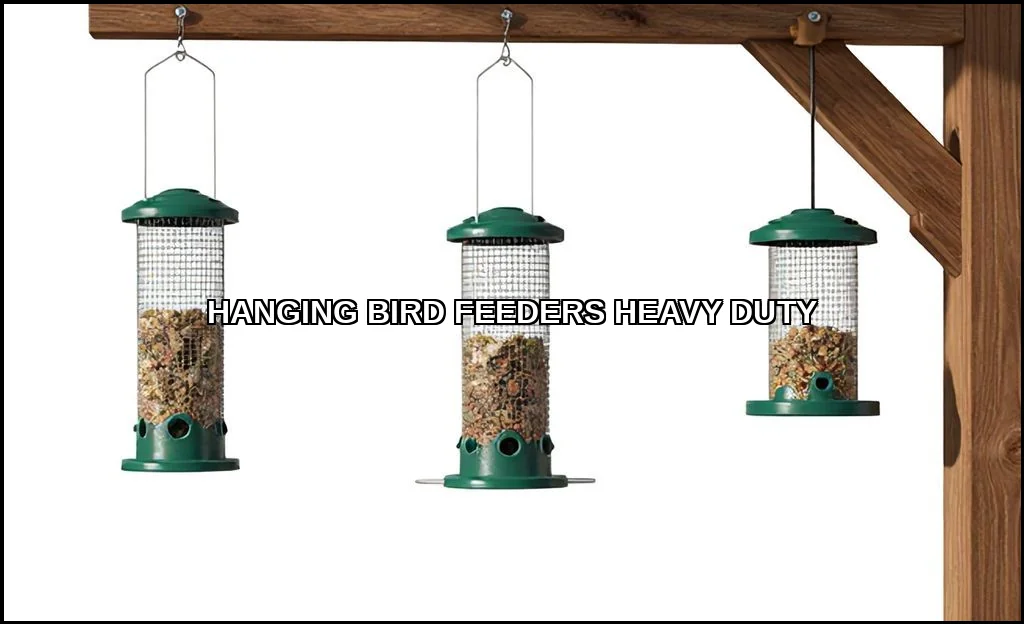
Think of it as the difference between a garden shed and a tool chest. A heavy-duty feeder is engineered with superior materials and clever features to withstand constant use and abuse. If you’re searching for a top-tier option that embodies this philosophy, many seasoned birders are talking about the 2025 Upgraded Heavy. It’s a prime example of modern heavy duty bird feeder design, combining metal construction with smart, resilient features right out of the box.
What Makes a Bird Feeder ‘Heavy Duty’?
It’s more than just a marketing term. A truly heavy-duty bird feeder is defined by its construction and performance under pressure. The core idea is durability against the two biggest adversaries: wildlife and weather. Squirrels exert immense force, and seasonal storms bring relentless moisture and UV exposure. A feeder that stands up to these elements while safely supporting larger birds and substantial seed volume earns the title.
This robustness directly impacts what you see at your window. Heavy duty bird feeders are magnets for heavier, more assertive birds. You’ll reliably attract species like Northern Cardinals, Blue Jays, and various woodpeckers. Don’t be surprised to see Rose-breasted Grosbeaks or Evening Grosbeaks, birds that appreciate a stable, outdoor bird feeder platform they can trust. Their presence is a direct testament to your feeder’s solidity.
Top Materials for Durable Hanging Bird Feeders
The battle for longevity is won or lost with materials. Flimsy plastics and thin metals simply won’t cut it for a long-term setup.
- Powder-Coated Steel: This is the gold standard for the body of a metal bird feeder. The steel provides the strength, while the powder coating acts as a bonded, durable shield against rust and corrosion. It’s far superior to simple paint.
- Stainless Steel Components: Look for feeders with stainless steel perches, ports, and hardware. It’s inherently rust-proof and ensures that moving parts, like weight-activated mechanisms on a squirrel proof bird feeder, won’t seize up.
- UV-Resistant Polycarbonate or Lexan: For seed chambers or viewing windows, these plastics are virtually unbreakable and won’t yellow or become brittle from sun exposure. UV-resistant materials are non-negotiable for clear, long-lasting visibility.
- Industrial-Grade Cables and Chains: The hanging apparatus must match the feeder’s strength. A galvanized cable or thick, welded chain is critical. This is often the weakest link in a setup, so never compromise here.
How Regional Climate Influences Your Choice
Your local weather should guide your final decision. Coastal areas with salt air demand maximum corrosion resistanceprioritize stainless steel and high-quality powder coating. In regions with intense sun, UV-resistant elements are paramount. For cold, snowy climates, ensure seed ports are designed to prevent ice jams, and the mechanism (if it’s a weight-activated type) won’t freeze shut. This nuanced consideration is a key missing entity many basic guides overlook.
Key Features to Look For: Squirrel Resistance & Weatherproofing
Materials form the foundation, but intelligent features define the experience. Heres what separates a good feeder from a great one.
Winning the Squirrel War
Squirrels are ingenious and persistent. A heavy duty bird feeder needs a multi-layered defense.
- Weight-Activated Perches: Brands like Brome are famous for this. The perch collapses under a squirrel’s weight, closing off seed access. It’s highly effective and humane.
- Integrated Metal Cages: A wire mesh cage surrounds the feeder, allowing small birds in but keeping squirrels and large birds out. It’s a simple, physical barrier that works incredibly well.
- The Essential Squirrel Baffle: Whether it’s part of the feeder or a separate add-on for your hanging point or pole, a squirrel baffle is a must-have. This domed or cylindrical blocker is the first line of defense, preventing acrobatic approaches from above or below.
Wondering what is the best heavy duty bird feeder for squirrels? The answer often involves a combination of these features, like a weight-activated system within a reinforced cage.
Defeating the Elements
A weather resistant bird feeder protects your seed investment and keeps food dry and mold-free.
- Watertight Seed Chambers: Seams should be welded or tightly sealed. Look for rubber gaskets around lids and ports.
- Effective Drainage Holes: No design is perfectly waterproof, so small drainage holes at the bottom are crucial to let condensation or driven rain escape.
- Wide, Overhanging Roofs: A large roof shields seed ports from direct rain and snow, significantly extending seed freshness.
Installation & Hanging: Safely Supporting Heavy Feeders
This is where many projects fail. A 5-pound feeder full of seed, swinging in a storm, exerts tremendous force. Proper installation is critical for safety and success.
Hanging from a Tree Limb
How to hang a heavy duty bird feeder from a tree securely requires the right hardware. Never use rope or standard string. Instead, use a galvanized cable with robust screw-eye hooks rated for outdoor use. Ensure the branch is healthy, thick enough (at least 4-5 inches in diameter), and always place a squirrel baffle on the cable above the feeder. The baffle should be far enough from the branch to prevent jumping.
The Pole-Mounting Advantage
For ultimate stability and control, a pole mounted bird feeder system is often superior for heavy models. A dedicated pole, sunk deeply into the ground or mounted to a deck, allows you to position the feeder away from jumping points. You can add multiple baffles to the pole, creating an impenetrable fortress. This setup is ideal for a robust bird feeding station that can host several feeders. For more foundational advice on placement and types, this authority guide from Audubon is an excellent official source.
| Hanging Method | Best For | Key Consideration |
|---|---|---|
| Tree Limb | Natural aesthetics, easy access | Must verify branch strength and use a top-quality baffle |
| Freestanding Pole | Maximum squirrel resistance, customizable height | Requires proper installation; check pole’s weight capacity |
| Eave or Overhang Bracket | Sheltered locations, easy filling | Ensure the mounting surface can handle the torque and weight |
Capacity and Seed Types: Fueling Your Feathered Visitors
A large capacity bird feeder reduces your refill frequency, which is a major convenience. But capacity must be paired with the right seed to attract your target birds and minimize waste.
- For Heavy Birds & General Use: A bird feeder for heavy birds like cardinals and jays should have large perches and ports. Fill it with black oil sunflower seeds or a cardinal mix (sunflower, safflower, peanuts). These birds need space and sturdy footing.
- Tube Feeders for Finches: Even within heavy-duty lines, tube feeders made with metal ends and thick polycarbonate tubes are common. They’re perfect for nyjer (thistle) seed, attracting finches and chickadees.
- Platform & Hopper Feeders: Hopper feeders with wide trays are excellent for offering mixed seed or cracked corn to a variety of birds. A heavy-duty platform feeder with a metal screen bottom allows for drainage and is great for offering fruit or suet blocks.
If your goal is finding a heavy duty bird feeder that holds lots of seed, look for hopper or tube designs with capacities of 5 pounds or more. Just remember, in humid climates, only fill a large feeder with as much seed as birds will consume in a few days to prevent spoilage. Understanding local avian health is also part of responsible feeding; learn more about how diseases like the bird flu does affect birds in your area.
Maintenance & Longevity: Keeping Your Heavy-Duty Feeder Functional
Even the toughest feeder needs some care to maximize its lifespan. A simple, regular routine is all it takes.
- Monthly Deep Clean: Empty old seed. Disassemble the feeder if possible. Scrub all parts with a mild bleach solution (1 part bleach to 9 parts water), rinse thoroughly, and let it dry completely before refilling. This prevents deadly mold and bacteria buildup.
- Seasonal Inspection: Twice a year, check all hardware. Tighten any loose screws. Inspect the hanging cable or chain for fraying. Ensure the squirrel baffle is still securely attached and functional.
- Seed Management: Keep seed dry. If you notice clumping or mold, empty the feeder immediately. Using a weather-resistant feeder with good drainage is your first defense here.
Brands known for durability, like Droll Yankees and Aspects, often design their feeders with easy disassembly for this very reason. The longevity of your industrial strength bird feeders depends on this proactive care. And while you’re optimizing your feeding station, consider complementing it with one of the best birdhouses to create a complete backyard habitat.
The Final Perch
Choosing a heavy-duty hanging bird feeder is an investment in uninterrupted birdwatching and less frequent replacement. Focus on the core triad: powder-coated steel or equivalent metal construction, proven squirrel-proofing features, and a hanging system with a verified weight capacity that exceeds your needs. Remember, the best feeder for you balances these engineering principles with the specific birds and weather patterns of your region. Start with a solid foundationa truly durable hanging feederand you’ll build a thriving backyard refuge that lasts for seasons, not just a few weeks.
