
You know that sound. The cheerful chirp from the other room, the soft chatter as you prepare breakfast. These are the happy bird sounds that make sharing your home with a parrot so rewarding. They’re more than just noise; they’re a window into your bird’s emotional world. Learning to interpret these content parrot noises is key to building a strong bond and ensuring your parrot’s well-being.
Think of parrot vocalization as a complex language of emotion. A happy parrot doesn’t just make one sound. It creates a symphony of chirps, whistles, and chatters that express comfort, curiosity, and joy. This guide will help you translate that symphony. You’ll learn to identify different happy sounds, understand the body language that goes with them, and even encourage more of those delightful vocalizations. For those fascinated by the pinnacle of avian chatter, a lifelike Talking Macaw Parrot replica can offer a fun, interactive glimpse into this vocal complexity without the long-term commitment of a live bird.
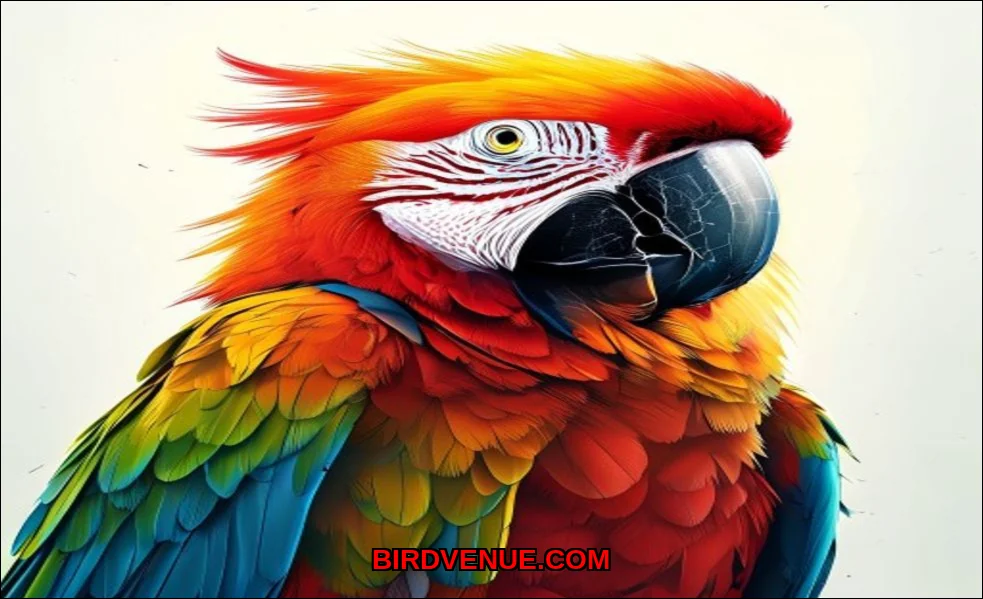
What Are Happy Parrot Sounds?
Happy parrot sounds are the vocal expressions of a content, secure, and stimulated bird. They are typically soft, melodic, and repetitive. Unlike the sharp, loud, or single-note screams of distress, happy sounds often have a musical, conversational quality. Scientific studies suggest parrots can convey emotional states through subtle changes in their callssomething owners intuitively recognize. These sounds are a core part of parrot communication, signaling everything from “I’m relaxed” to “I enjoy your company.”
It’s vital to listen in context. The same sound can mean different things based on volume, pitch, and your bird’s posture. A loud, piercing whistle might be a happy greeting, while a similar, frantic whistle could signal alarm. Your goal is to become fluent in your specific parrot’s dialect of happiness.
The Anatomy of a Happy Sound: The Syrinx
Parrots produce sound using a unique organ called the syrinx, located where the trachea splits into the lungs. This gives them incredible control, allowing for the complex mimicry and tonal range you hear in their happy chatter and singing. Unlike our single voice box, the syrinx can potentially produce two independent sounds at once. This biological marvel is why their happy sounds can be so richly layered and musical.
Common Types of Happy Parrot Vocalizations
Let’s break down the specific sounds you’re likely to hear from a content bird. Each has its own character and context.
1. The Content Chirp and Chatter
This is the baseline sound of a happy parrot. Parrot chirping is often a soft, staccato series of notes. Parrot chattering is more rambling and conversational, as if your bird is practicing speech or muttering to itself. You’ll hear this during calm activities like preening, playing quietly, or observing the household from a favorite perch. It’s the avian equivalent of humming while you work.
2. Melodic Whistling and Singing
Parrot whistling is a classic sign of a cheerful bird. They may whistle a tune you’ve taught them, improvise their own melody, or mimic the microwave. Parrot singing often combines whistles, chirps, and words into a longer, more musical performance. This is play behavior. It shows your parrot is not just content but actively engaged and entertaining itself. Species like Cockatoos and Amazon Parrots are particularly renowned for their musicality.
3. The Reassuring Contact Call
A contact call is a short, specific sound your parrot uses to check in with you or its flock. When you’re in another room and hear a gentle “Hey!” or a distinct whistle, that’s likely a happy contact call. It means, “I’m here, are you there?” A proper response from you (calling back or walking into the room) reinforces their sense of security. Ignoring it consistently can sometimes lead to louder, more anxious calls.
4. The Ultimate Sign of Trust: Beak Grinding
While not a vocalization, beak grinding is a crucial happy sound. It’s that soft, crunching, grinding noise, often heard as your parrot settles down for a nap or at dusk. This behavior indicates supreme comfort, relaxation, and a feeling of safety. It’s one of the clearest auditory signs that your parrot is truly at ease in its environment.
The Body Language That Accompanies Happy Sounds
Sound never exists in a vacuum. True understanding comes from pairing vocal cues with physical ones. This is where reading bird body language becomes essential. A happy sound with stressed body language is a mixed signal worth investigating.
- Relaxed Posture: Feathers are smooth and slightly fluffed (not tight or slicked down). The body is loose, not tense and rigid.
- Happy Eyes: Watch for a subtle, rapid narrowing and widening of the eyes, known as “eye pinning.” In a happy context, this often accompanies excited chatter or singing.
- Playful Movement: Head bobbing, dancing, or hanging upside down while vocalizing are all strong indicators of joy.
- Preening: Gentle self-preening or attempting to preen you while making soft noises is a sign of affection and contentment.
How to Encourage More Happy Sounds From Your Parrot
You can actively cultivate an environment that prompts these content parrot noises. It’s about meeting their physical and psychological needs. A cornerstone of this is ensuring they have the right fuel for their busy minds and bodies, which is why a proper diet and nutrition plan for parrots is non-negotiable for long-term health and happiness.
1. Provide Mental and Physical Enrichment
Boredom is the enemy of happy sounds. Rotate foraging toys, teach new tricks, and offer puzzle feeders. A stimulated parrot is a chatty, engaged parrot. Even simple changes like moving perches or offering a new (bird-safe) branch to shred can spark curiosity and vocal play.
2. Engage in Social Interaction and Training
Parrots are social learners. Spend time talking, whistling, and singing with your bird. Use positive reinforcement training sessions not just for commands, but as a fun, brain-engaging game. When they vocalize happily, respond with attention or a favorite treat to reinforce that behavior.
3. Understand and Work With Vocal Learning
Vocal learning is the ability to imitate and modify sounds based on experience. Parrots are masters of this. You can use it to shape happier sounds. Whistle a happy tune together. Speak in a calm, upbeat tone. They will often mirror the emotional quality of the sounds they learn. For a deeper dive into this fascinating ability, this resource on how parrots learn to talk and communicate offers excellent insights.
Parrot Species and Their Happy Sounds
While all parrots share the joy of vocalization, different species have their own accents. Heres a quick guide to what happiness might sound like across common pet birds.
| Species | Typical Happy Sounds | Notes on Vocal Style |
|---|---|---|
| African Grey Parrot | Soft conversational chatter, intricate whistles, perfect mimicry of household sounds. | Less about volume, more about precision and context. Their happy sounds are often eerily accurate imitations. |
| Amazon Parrot | Loud, exuberant singing, whistling entire songs, cheerful “hello” repetitions. | Often the most musically inclined. Morning and evening “song sessions” are common. |
| Cockatoo | Sweet, melodic whistles, soft “baby talk” chatter, beak grinding. | Can be very cuddly and vocal about it. Their sounds are often coupled with demanding physical affection. |
| Budgerigar (Budgie) | Rapid, musical chattering, twittering conversations with other budgies or toys. | Constant, soft background chatter is the sound of a happy flock. Solitary budgies may be quieter. |
| Macaw | Low-volume “mumbling,” playful squawks, learned words used appropriately. | Their happy sounds are often goofy and low-pitched compared to their powerful alarm call. |
When to Be Concerned: Sounds That Are NOT Happy
Recognizing happiness also means knowing what distress sounds like. This is critical for your parrot well-being. A sudden change in vocal pattern is often the first sign of a problem.
- Monotonous, Repetitive Screaming: Not the occasional loud call, but persistent, frantic screaming. This signals fear, boredom, or a need (like a dirty cage, hunger, or illness).
- Hissing or Growling: These are clear warning sounds. Coupled with a stiff body and pinned eyes, they mean “back off.”
- Sudden Silence: A normally vocal parrot that becomes quiet can be as worrying as a screaming one. It may indicate illness, depression, or fear.
- Panting or Wheezing: These are not behavioral sounds but medical symptoms. Seek an avian vet immediately.
If you’re ever unsure about a sound, observe the context and body language. When in doubt, a veterinary check-up is always the safest course. Understanding the full spectrum of parrot communication, including why they sometimes fixate on certain noises, can help you discern what’s normal. For instance, learning about why parrots repetitively mimic sounds can help you distinguish between playful repetition and obsessive stress behavior.
Listening for a Lifetime of Chatter
Decoding happy bird sounds transforms your relationship with your parrot. You move from being a keeper to a conversationalist. You start to hear the difference between a bored chirp and a content one, between a call for attention and a pure song of joy. This awareness allows you to better meet their needs, strengthen your bond, and create a home where those happy sounds flourish.
Pay attention. Talk back. Celebrate the chatter and the whistles. Your ear is the most important tool you have for ensuring your parrot’s happiness. The more you listen, the more clearly they will speak.
