You want your bird to thrive, not just survive. That’s the core of a holistic bird health approach. It moves beyond treating illness to building a foundation of wellness, considering every aspect of your feathered friend’s life. This philosophy integrates avian nutrition, mental stimulation, and preventative care to support whole bird health.
Think of it as a partnership. You provide the tools for resilience, and your bird flourishes. This method often incorporates natural supplements, environmental tweaks, and mindful observation. For instance, a foundational step is choosing high-quality, varied foods. Many avian nutritionists suggest incorporating a diverse seed and nut blend like Wild Harvest Healthy as part of a balanced diet, not the sole component, to encourage natural foraging behaviors.
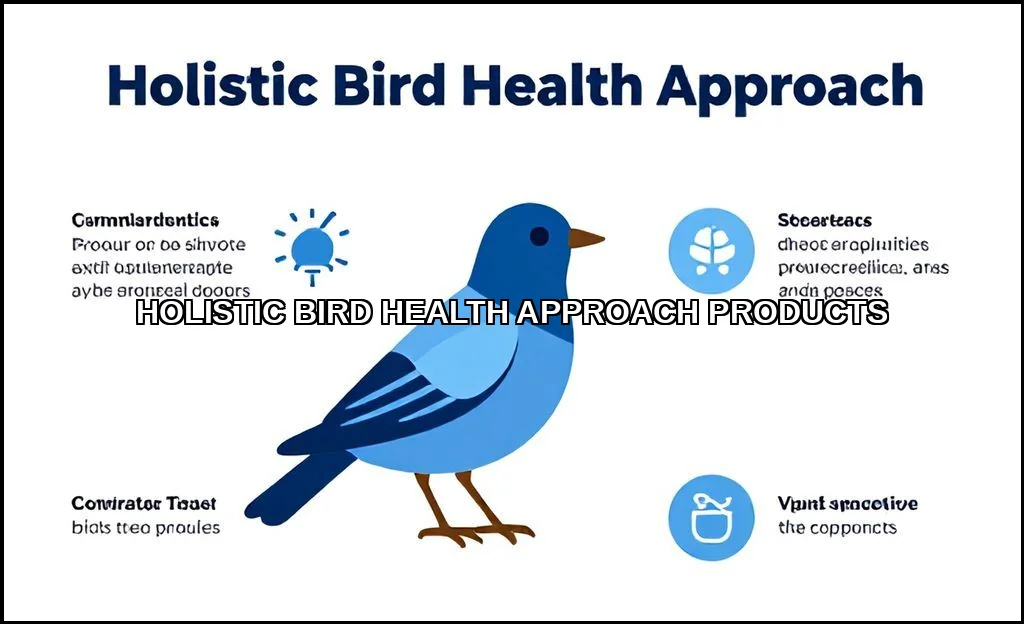
Understanding Holistic Avian Health Principles
Holistic care views your bird as an interconnected system. Physical health is deeply tied to emotional state and environment. It’s a proactive strategy championed by forward-thinking avian veterinarians and parrot behaviorists. The goal isn’t to reject conventional medicine but to create a robust baseline that may reduce the need for it.
This approach asks “why” a problem exists, not just “what” it is. Feather plucking, for example, is rarely just a skin issue. It could stem from nutritional gaps, stress, or boredom. Addressing avian stress reduction and feather health from multiple angles often yields better long-term results than a singular treatment.
The Mind-Body-Environment Connection
A bird’s immune system is remarkably sensitive to its surroundings. Chronic stress from a poor environment can suppress bird immune support, making them susceptible to disease. Holistic certification programs for pet professionals are now emerging, focusing on this very connection. They train caregivers to read subtle signs of discomfort long before an illness manifests.
Core Components of a Holistic Bird Care Regimen
A complete regimen rests on three pillars. Neglect one, and the structure weakens. These components work synergistically to promote preventative bird wellness.
- Nutritional Excellence: This is the cornerstone. It goes beyond just offering pellets. It’s about fresh veggies, appropriate fruits, and understanding species-specific needs.
- Behavioral & Mental Enrichment: A bored bird is an unhealthy bird. This involves training, foraging opportunities, and social interaction.
- Proactive Health Monitoring: This means regular weight checks, observing droppings, and understanding normal behavior versus signs of distress. Knowing potential hazards, like whether bird feces poses a risk, is part of responsible care.
Top Natural Supplement Categories Explained
Supplements fill nutritional gaps and support specific body systems. They are tools, not magic cures. The market offers vast options, so understanding categories is key for holistic pet bird care.
Herbal Support and Probiotics
Herbal remedies for parrots have gained traction. Think of chamomile for calm or milk thistle for liver support. However, caution is paramount. Consulting an avian toxicologist or a vet knowledgeable in botanicals is non-negotiable, as many plants are toxic to birds.
Meanwhile, probiotics for birds are foundational. They promote a healthy gut microbiome, which is central to digestion and immunity. A quality probiotic can be especially helpful after antibiotic use or during times of stress.
Targeted Nutritional Boosters
These address common avian health concerns. Supplements for feather health often contain omega fatty acids and specific amino acids. Immune-boosting blends might include echinacea, vitamin C, or beta-glucans. When pondering how to improve my bird’s immune system naturally?, these targeted supplements, alongside a stellar diet, are the answer.
| Supplement Category | Primary Purpose | Key Ingredients |
|---|---|---|
| Probiotics & Digestive Enzymes | Gut health, nutrient absorption | Beneficial bacteria (Lactobacillus), enzymes |
| Feather & Skin Support | Promote strong, vibrant plumage | Omega-3/6, biotin, amino acids (lysine, methionine) |
| Immune System Modulators | Strengthen natural defenses | Echinacea, beta-glucans, vitamin C |
| Calming & Stress Support | Reduce anxiety, aid during transitions | Chamomile, passionflower, L-Theanine |
Integrating Holistic Products with Conventional Care
This is not an “either/or” choice. The most effective natural avian care strategy uses both worlds intelligently. Always inform your avian vet about any supplements your bird is taking. Some can interact with medications.
Conventional medicine excels at acute crisis and diagnosis. Holistic methods shine in chronic condition management and prevention. For example, a bird recovering from an infection might need antibiotics (conventional) alongside probiotics and immune-supporting herbs (holistic) to rebuild strength. Resources like the authority guide from Laferber’s veterinary site are invaluable for bridging this knowledge gap.
The Role of Independent Research
A critical missing entity in much discussion is independent research studies. While anecdotal evidence abounds, seek out products backed by science conducted at universities or published in avian journals. It separates trend from true efficacy.
Creating a Complete Holistic Environment
Products and diet are only part of the equation. True avian wellness is cultivated in the environment you create. This is where environmental enrichment becomes a daily practice.
- Foraging is Fundamental: Hide food, use puzzle toys, and make mealtime a challenge. This reduces boredom and stimulates natural instincts.
- Safe Flight & Exercise: Ensure supervised out-of-cage time for flight or climbing. Muscle tone and cardiovascular health matter immensely.
- Light & Air Quality: Full-spectrum lighting can support vitamin D synthesis and mood. Clean air, free from aerosols and Teflon fumes, is non-negotiable for lung health.
Stressors are often invisible to us. Understanding broader threats, like how a disease does affect birds globally, informs better biosecurity and quarantine practices at home.
The Organic Food Question
The organic vs conventional bird food comparison is a valid one. Organic bird food, whether pellets or fresh produce, minimizes exposure to pesticides and synthetic additives. For birds with sensitive systems or liver issues, this can be a significant part of a whole bird health plan. Brands like Harrison’s Bird Foods are renowned for their organic, pelleted diet foundations.
Building a holistic health plan for your bird is a journey, not a destination. It starts with a mindset shiftfrom reactive caretaker to proactive wellness partner. You combine the best of science-backed natural supplements with enriching daily practices and vigilant observation. Remember, the smallest changes in routine or environment can have profound impacts on preventative care. Consult your avian vet, do your research, and watch your bird’s vitality become the best measure of your success.
