You hear a parrot say “hello” and it stops you in your tracks. It’s a fascinating trick, but have you ever wondered how they do it? The ability isn’t magic. It’s a remarkable combination of specialized anatomy, sharp intelligence, and a unique social drive. Understanding how parrots learn to talk deepens your appreciation for these complex birds and can make you a better trainer.
This isn’t just simple repetition. Parrots engage in a sophisticated process called vocal learning. They listen, process, and reproduce sounds they hear in their environment. This places them in an elite group of animals, alongside humans, dolphins, and some songbirds. Let’s break down exactly what makes parrot speech possible, from their physical equipment to the cognitive software running the show.
The Physical Anatomy: How Parrots Produce Sound
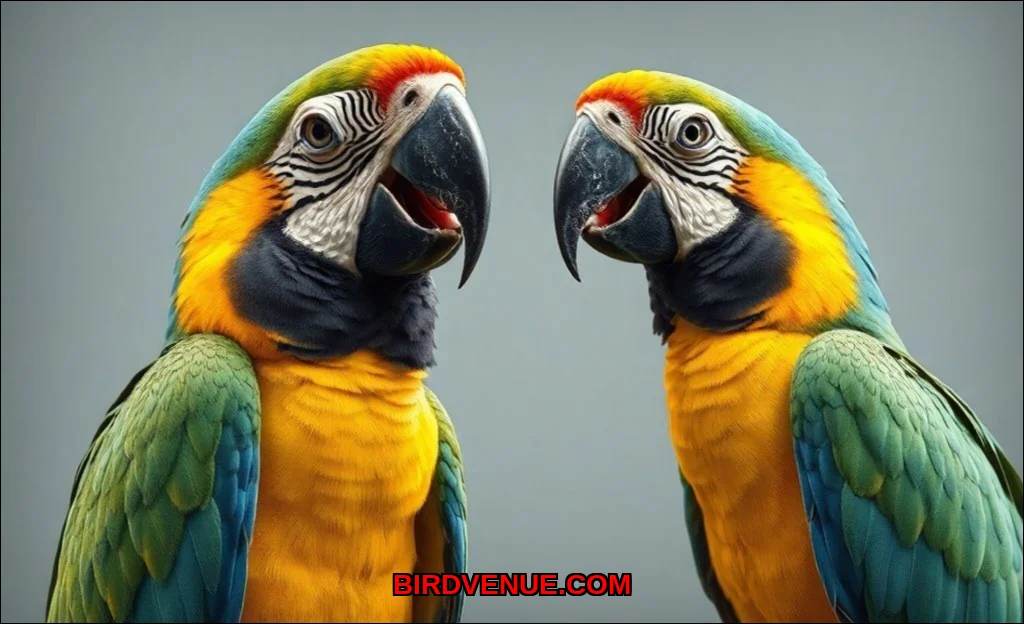
For a parrot to mimic your words, it needs the right hardware. Unlike humans, who use a larynx in the throat, birds have a unique organ called the syrinx. Located at the branch point of the trachea, this vocal box is incredibly flexible. Muscles control membranes within the syrinx, allowing parrots to produce two independent sounds simultaneously. This is why they can create such a wide range of tones, whistles, and even mimic mechanical noises.
But the syrinx is only part of the story. A parrot’s vocal tract anatomy plays a crucial role in shaping those sounds into recognizable words. By precisely manipulating its tongue, beak, and throat, a parrot can alter the resonance and formants of the sound produced by the syrinx. Think of the syrinx as the sound source and the vocal tract as the filter that sculpts it into “hello” or “pretty bird.” This dual-system control is key to their impressive imitation ability.
The Brain’s Role in Sound Production
The physical act is directed by specialized neural pathways, often called the “song system” in birds. This network of brain regions controls learning, memory, and motor commands for vocalization. In parrots, these pathways are particularly developed, allowing for the complex coordination needed for bird mimicry. The brain must remember the sound, then send precise instructions to both the syrinx and the vocal tract muscles to replicate it. It’s a high-wire act of neurological control.
The Brain Power: Cognitive Abilities Behind Mimicry
Owning a talking parrot isn’t like owning a feathered tape recorder. The best talkers often display surprising cognitive ability. The classic question in bird communication research is mimicry vs speech: are they just copying sounds, or do they understand meaning?
The answer is nuanced. While most parrot vocalizations are indeed mimicry, evidence suggests some species, notably the African Grey Parrot, can associate words with objects, colors, and numbers. This indicates a level of cognitive processing that goes beyond simple echo. Their mimicry is often a form of social bonding, a way to integrate into their flockwhich, in a home, is you.
Social Learning as a Driver
Parrots are intensely social creatures. In the wild, social learning is vital for survival. Mimicking the calls of their flock strengthens social bonds and establishes identity. In your home, you become their flock. When a parrot learns your words, it’s often attempting to interact and bond with you. This social motivation is a powerful engine for their vocal learning. They aren’t just trying to make noise; they’re trying to communicate.
The Learning Process: How Parrots Acquire Words
So, how do parrots learn to talk? It’s a gradual process of listening, practicing, and reinforcement. Young parrots are the most adept learners, much like human children. They listen to the sounds around them, often practicing quietly or under their breath before attempting a full-volume reproduction.
Repetition and positive association are everything. Heres a simplified view of the cycle:
- Attention & Listening: The parrot pays attention to a frequently heard word or sound.
- Internal Processing: The sound is memorized and processed by those specialized neural pathways.
- Practice: The bird attempts to recreate the sound, often imperfectly at first.
- Feedback & Social Reinforcement: When the attempt is met with a positive reaction (your excitement, a treat), the behavior is reinforced.
This is where training tools can help. For clear communication during training sessions, many owners find a Getting Started Clicker invaluable. The consistent sound marks the exact moment your parrot does something right, making it easier for them to connect the action with the reward.
Species Spotlight: Which Parrots Talk Best
Not all parrots are created equal when it comes to parrot talking. While individual personality plays a huge role, some species are renowned for their clarity, vocabulary size, and propensity to mimic. If you’re wondering about the best parrot species for talking, these are the top contenders often mentioned by experts.
| Species | Talking Profile | Key Consideration |
|---|---|---|
| African Grey Parrot | Often considered the best. Exceptional clarity, large vocabulary, and noted for apparent contextual understanding. | High intelligence requires immense mental stimulation; can be sensitive. |
| Amazon Parrot | Excellent, clear talkers and singers with bold personalities. | Can be loud and are known for strong, sometimes moody, personalities. |
| Budgerigar (Budgie) | Capable of large vocabularies, though in a high-pitched, fast chatter. The small size belies a big talent. | Great for beginners interested in talking birds. You can learn more about the care and lifespan of smaller parrots, like the Quaker parrot lifespan and care. |
| Cockatoo | Can learn words and phrases, but are better known for loud calls, whistles, and learning sounds. | Extremely emotionally needy; require a dedicated owner for their 50+ year lifespan. |
| Macaw | Can learn words, but often prefer loud vocalizations. Their deep voice can be comically charming. | Their size, power, and noise level make them a major commitment. |
Remember, a parrot’s natural vocalizations are part of its being. For insights on managing birds in outdoor environments, you might find our guide on ethical methods for deterring wild parrots useful context.
Practical Guide: Helping Your Parrot Learn to Talk
You want to encourage your parrot’s talking ability. Where do you start? Success hinges on patience, consistency, and creating a stimulating environment. Your goal is to make learning a fun, rewarding part of your daily interaction.
Setting the Stage for Success
First, ensure your parrot’s basic needs are met. A stressed or bored bird won’t be an eager student. This means:
- A spacious, well-equipped bird cage as a safe home base.
- Plenty of bird toys for physical and mental exercise.
- A healthy diet and regular out-of-cage time for socialization.
- Using high-value training treats reserved specifically for learning sessions.
Effective Training Techniques
With a happy bird, you can begin. Focus on these core methods:
- Start Simple: Choose a short, clear word like “hello” or “hi.” Say it enthusiastically every time you approach the cage.
- Be Consistent: Use the same word, with the same tone, in the same context. Repetition is your best tool.
- Capture Attention: Train when your bird is calm and focused, often in the morning. Hold them near your face so they watch your mouth.
- Use Positive Reinforcement: The instant they make a sound resembling the word, offer immediate praise and a treat. This is the social reinforcement they crave.
- Keep Sessions Short: Five to ten minutes, several times a day, is far better than one long, frustrating session.
- Expand Gradually: Only introduce a new word or phrase once the previous one is mastered. Label objects (e.g., “nut,” “water”) as you offer them.
For a deeper dive into the science and methods of how parrots learn to talk, the resource from Northern Parrots on parrot communication and learning offers excellent, detailed insights.
What Not to Do
Avoid forcing it. Never punish a bird for not talking. Don’t play recordings on loop for hoursthis leads to boredom and ignored background noise. Your live, interactive attention is the most valuable teaching tool.
Why can parrots mimic human speech? It’s the convergence of a unique syrinx, a brain built for vocal learning, and a social nature that drives them to connect through sound. While their talent stems from mimicry, the cognitive ability behind it is what makes the experience of sharing your home with a talking parrot so uniquely rewarding. The key is to engage with them not as novelties, but as intelligent companions. Provide enrichment, use positive social reinforcement, and celebrate every attempt. The words that follow will be a testament to your shared bond.
