
Living with both a cat and a bird is a unique joy. It’s also a significant responsibility. The natural predator-prey dynamics between a domestic cat (Felis catus) and a pet bird like a parakeet or cockatiel can’t be trained away. Your goal isn’t friendship, but peaceful, safe coexistence. This requires a multi-layered strategy focused on supervised interaction and smart environmental design.
Success hinges on more than just a sturdy cage. It’s about understanding instincts, creating fail-safes, and managing your entire home. We’ll cover physical barriers, behavioral techniques, and the often-overlooked signs of a stressed bird. Your bird’s safety is the absolute priority.
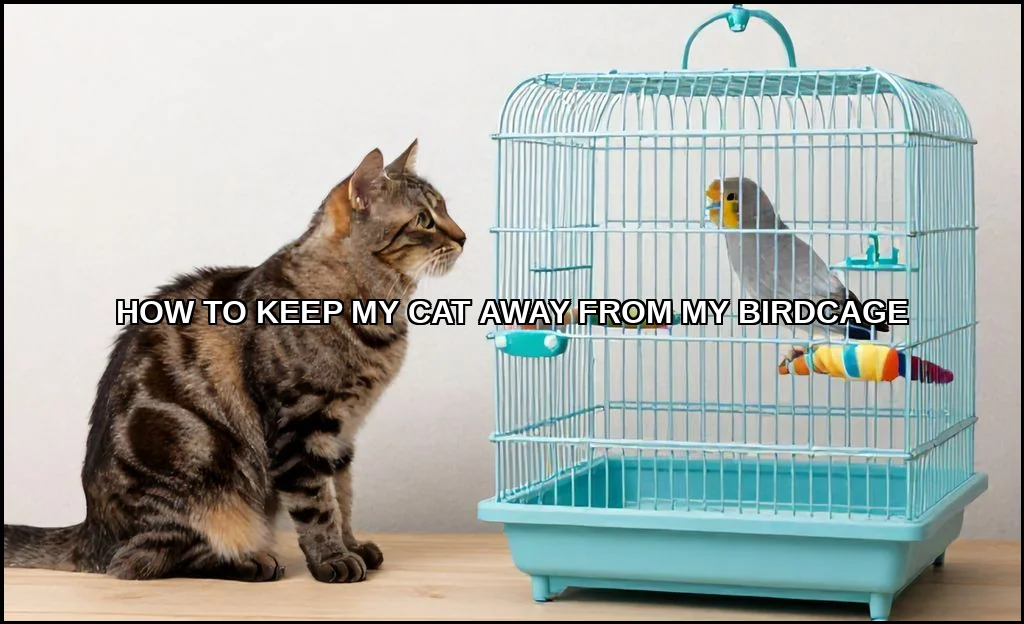
The Inherent Risk: Cat and Bird Safety 101
Your cat’s play is practice for hunting. Even a gentle bat can transmit deadly bacteria from their claws or saliva to a bird. Beyond physical harm, the mere presence of a predator causes chronic bird stress prevention issues. Birds are prey animals; a constant state of fear weakens their immune system and can lead to destructive behaviors like feather plucking.
Recognizing a stress response in birds is a missing entity many guides overlook. Watch for panting, loss of appetite, frantic flapping, or sitting puffed up at the bottom of the cage. If you see these signs, your current pet separation strategies need immediate reassessment. Consulting an Avian Veterinarian is wise for any new multi-pet setup.
Why “Just Watching” Isn’t Enough
You cannot out-stare instinct. A split-second lapse is all it takes. Effective cat and bird safety means creating an environment where a mistake doesn’t lead to tragedy. This starts with absolute physical separation when you are not actively, directly supervising.
Physical Barriers: Your First Line of Defense
This is the most critical layer. Your bird’s cage must be a fortress. Birdcage protection involves both the cage itself and its placement in your home.
Cage Placement and Fortification
Think vertically. How high should bird cage be from cat? The answer is: completely unreachable. Place the cage on a stable, elevated stand in a room where the door can be closed. Never place it on a surface the cat can jump onto from nearby furniture.
- Cat proof bird cage accessories exist. Look for cage skirts or guards that prevent paws from reaching through bars.
- Ensure the cage door has a secure lock cats can’t nudge open. A simple carabiner can be a lifesaver.
For rooms without a door, a dedicated pet safety barriers system is non-negotiable. A tall, sturdy pet gate designed for multi-pet household tips can create a safe zone. For this, many owners find success with the Regalo Extra Tall gate, which provides a physical barrier that keeps curious felines at a safe distance from the bird’s area.
Creating Dedicated Safe Zones
Your bird needs time outside its cage for exercise and mental health. This requires a completely cat-free room. A best room divider for cat and bird might be a pressure-mounted gate for a hallway, or simply using a spare bedroom as the bird’s exclusive domain. Brands like IRIS and Amazon Basics offer affordable room divider panels that can configure to your space.
Training and Behavior: Managing the Hunter
While you can’t erase instinct, you can manage behavior. The goal is to make the birdcage the most boring object in the house. This is where behavioral training techniques come in.
Redirection and Positive Reinforcement
Never punish your cat for showing interest in the cage. This builds frustration. Instead, use positive reinforcement. When your cat looks at the cage and then looks away, immediately reward with a treat or praise. Teach a strong “leave it” command using high-value treats far from the bird’s room.
If your cat stalks or fixates, redirect their energy. A loud “Oops!” followed by tossing a toy in the opposite direction breaks the focus. For persistent issues, this official source on feline aggression offers deeper insights.
How to Train Cat to Ignore Bird Cage
Start with the bird completely absent. Use cat deterrents like double-sided tape or aluminum foil on surfaces near the cage. Use a pheromone spray like Feliway on a nearby scratching post to create positive associations. Gradually, over weeks, reward calm behavior at increasing distances. This is a marathon, not a sprint.
Environmental Management: Enrichment is Key
A bored cat is a bird-seeking missile. Environmental management means making your cat’s world so engaging they have little reason to obsess over the bird.
Fulfilling the Predatory Sequence
Cats need to hunt, catch, and eat. Provide this sequence daily.
- Hunt: Use interactive wand toys.
- Catch: Let them “capture” a toy.
- Eat: Feed a meal or treat immediately after play.
Incorporate Feline Enrichment Toys like puzzle feeders or food-dispensing balls. This mental work tires them out effectively. Providing ample vertical spacecat trees, shelvesgives them their own territory to survey, reducing their need to invade the bird’s.
Safe Sensory Deterrents
What about cat repellent sprays safe for birds? Use extreme caution. Never spray anything on or near the birdcage. Birds have extremely sensitive respiratory systems. A safer method is to use citrus or menthol scents (which cats dislike) on surfaces leading to the bird’s room, not in it. Always test in a small area first.
Emergency Protocols and Bird Safety
Hope for the best, plan for the worst. Every second counts in an emergency.
The Essential Safety Drill
Everyone in the home must know the plan.
- Escape routes: Identify the closest, safest room to corral the cat into (a bathroom, for example).
- Keep a thick towel or blanket near the bird’s area. It can be used to safely cover and contain a cat if necessary, or to transport a startled bird.
- Program your avian vet’s number and the nearest emergency vet’s number into your phone.
Supervision is Not Optional
Any time the bird is out of its fortified cage, your eyes must be on both animals. No distractions. This is the only time cat and bird cohabitation is visible. Keep the bird’s out-of-cage time in its dedicated, secure room. You might use this time to decorate or refresh their cage with new perches and toys, ensuring the environment stays stimulating for them, too.
Recognizing When Cohabitation Isn’t Working
Sometimes, despite best efforts, the stress is too high. If your bird shows chronic signs of fear or your cat’s fixation escalates to obsessive scratching at the door, permanent separation (different floors of the house, rehoming one pet) must be considered. Their welfare comes before our desire for a blended animal family.
Successfully keeping your cat away from your birdcage is an active, daily practice. It blends fortress-like physical security with proactive cat enrichment and vigilant supervision. Understand the instincts at playyour cat isn’t being “naughty,” and your bird isn’t being “neurotic.” They are following ancient blueprints. Your job is to architect a modern home that respects both. By implementing these layered strategiesfrom physical barriers like dedicated gates to behavioral redirectionyou create a home where both your chatty friend (you can explore which parrots talk best) and your stealthy hunter can thrive, safely and stress-free. The peace of mind is worth every step.
