How to Make a Birdcage Door: Simple DIY Steps
Contents
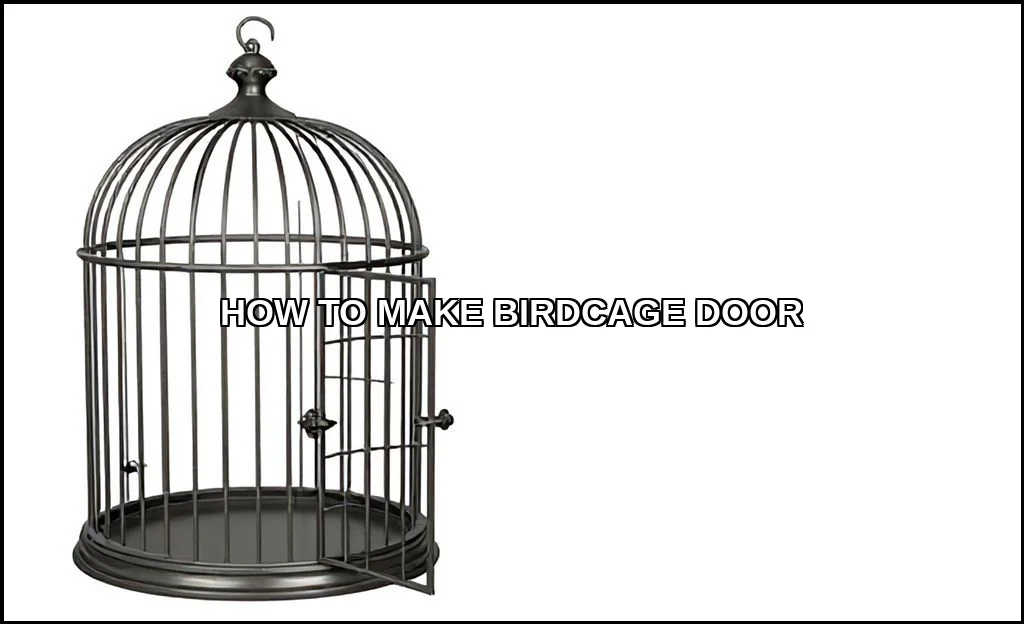
A birdcage door is more than just an entryway. It’s a critical safety feature, a point of interaction, and often the weakest link in your pet’s security. A poorly designed door can lead to escapes, injuries, or even allow predators access. Building your own allows for perfect customization to fit your cage’s unique dimensions and your bird’s specific behaviors.
Whether you’re repairing a broken cage access panel or constructing a whole new aviary door from scratch, the principles remain the same. You need strength, safety, and simplicity. This guide will walk you through a reliable step-by-step guide for a basic hinged door, while also exploring smarter, modern alternatives that many commercial cages overlook.
Gathering Your Materials and Tools
Success starts with the right components. Using bird-safe materials is non-negotiable. Avoid zinc, lead, and toxic paints. For the door panel itself, you have several excellent options, each with pros and cons.
Core Materials for the Door Panel
- Stainless Steel Wire Mesh: The gold standard. It’s durable, non-toxic, and allows for maximum visibility and ventilation. Choose a gauge thick enough to resist bending by a determined beak.
- Acrylic Sheet (Plexiglass): Ideal for a DIY birdcage door with plexiglass. It provides a windbreak, contains mess, and offers a clear view. Ensure it’s thick (at least 1/8 inch) to prevent cracking.
- Wooden Frame: Can be used to border mesh or acrylic. Use only untreated, hardwoods like oak or maple. Softwoods can be easily destroyed.
For the hardware, think longevity. Stainless steel hinges and fasteners resist rust. When sourcing small parts like clasps or rings, a kit can be invaluable. For this project, many professionals recommend using the 8 Pcs Bird cage accessory kit, which includes various clips and connectors that are perfect for securing a new birdcage door latch or creating toy attachments later.
Essential Tools You’ll Need
You don’t need a workshop, but a few key tools will make the job clean and safe.
- Wire cutters (for mesh) or a fine-tooth saw (for acrylic/wood)
- Metal file or sandpaper to smooth all sharp edges
- Needle-nose pliers
- Screwdriver or drill with appropriate bits
- Measuring tape and a marker
Step-by-Step Building Instructions
Let’s build a standard, side-hinged door. This is the most common and often the most secure birdcage door mechanism when done correctly.
1. Measuring and Cutting the Panel
Accuracy is everything. Measure the opening on your cage. For a hinged door, subtract 1/8 inch from both the height and width to allow for smooth operation. Mark your materialmesh, acrylic, or woodand cut carefully. This is the foundation of your cage entryway.
2. Fabricating and Attaching the Frame
If using mesh, you’ll likely need a frame to give it rigidity. Cut four strips of your framing material (stainless steel rod or safe wood) to size. Using the pliers and safe wire or screws, secure the mesh tightly within the frame. File every cut end until it’s completely smooth. A single sharp edge is a hazard.
3. Installing the Hinge System
The bird cage door hinge is what makes it functional. For a simple design, you can use two or three stainless steel screw eyes or proper butt hinges.
- Align the door in the opening.
- Mark the positions for the top and bottom hinges on both the door frame and the cage.
- Pre-drill pilot holes to prevent splitting (for wood) or to ease screw insertion (for metal).
- Secure the hinges firmly. The door should swing freely without sagging.
4. Securing the Latch and Lock
This is the most critical step. A simple hook-and-eye is rarely enough for intelligent birds like parrots. You need an escape-proof latch. A spring latch (like those from brands such as Prevue Hendryx) is a good start, but consider adding a secondary lock.
- Carabiner Clip: A simple, cheap, and highly effective secondary lock clipped through the latch.
- Birdcage Door Lock: Small, sliding bolt locks made specifically for cages are excellent.
- Magnetic Lock: A modern, sleek solution. Use a rare-earth magnet system where the door “clicks” shut, requiring a specific pull to open. This addresses a missing entity many DIY guides ignore.
Always test the latch repeatedly. Try to jiggle it open with your fingers. If you can, a clever parrot cage door will find a way.
Safety Features & Bird-Proofing Considerations
Construction is just the first step. Bird-proofing turns a door into a bird safe door.
Escape-Proofing Your Design
Birds are intelligent, persistent, and surprisingly strong. To secure birdcage door from opening accidentally, implement redundancy. Use two different types of locks. A parrot might learn to slide a bolt but can’t operate a carabiner. Regularly inspect all hardware for wear, loosening, or rust.
Consider the gap. The door should sit flush. If there’s a gap wider than your bird’s beak, it’s a potential toe-trap or escape route. Use safe trim to close any spaces.
Material and Finish Safety
We’ve mentioned bird-safe materials, but finish matters too. If painting a wooden frame, use a child-safe, non-toxic paint or sealant labeled for toys. Let it cure completelyoff-gassing can be deadly. For metal, a powder-coated finish from companies like A&E Cage Company is ideal, as it’s baked on and durable.
Think about your bird’s habits. A chewer will need a hardened acrylic or metal frame. A bird that likes to hang on the door needs hinges rated for constant weight and movement.
Alternative Door Designs & Maintenance Tips
A hinged door isn’t your only option. Different designs solve different problems.
Sliding and Automated Mechanisms
Learning how to make a sliding door for birdcage can save space. It requires a track system above and below the door panel. This is excellent for larger aviaries. For the tech-savvy, integrating an automatic timer on a sliding door can regulate light or allow access to an outdoor enclosure on a scheduleanother innovative missing entity worth exploring.
For small access panels for food bowls, a simple swing-down or lift-out panel works well. It keeps the main door secure for routine tasks.
Innovative Modern Solutions
The DIY and pet safety products world is evolving. 3D printed components allow for incredible customization. You can print a perfect latch guard, a custom hinge, or a unique door pull designed just for your cage. Websites like Thingiverse have starter designs for birdcage accessories.
When choosing the best material for birdcage door in a drafty room, acrylic might win for its insulating properties. In a humid climate, stainless steel’s rust resistance is key.
Keeping Your Door in Top Shape
Maintenance is simple but vital. Make it part of your weekly deep-clean routine.
| Component | Check For | Action |
|---|---|---|
| Hinges | Stiff movement, rust, loose screws | Lubricate with safe oil (mineral oil), tighten, replace if corroded. |
| Latch/Lock | Wear, bending, ease of operation | Test its strength. Replace springs in a spring latch if they weaken. |
| Door Panel & Frame | Cracks, splinters, sharp edges, looseness | Sand/fix immediately. Re-tighten any joints. |
A well-maintained door ensures safety for years. It also makes your interactions smoother, whether you’re doing routine care or planning to decorate for the holidays. Speaking of smart birds, a secure door is especially important for clever species like which parrots are known to be escape artists.
Building a birdcage door bridges the gap between off-the-shelf products and your specific needs. It empowers you to create the safest possible environment using the right materials and mechanisms. Start with a solid, hinged design, then consider integrating modern twists like magnetic locks or automated systems. The goal is a secure portal that stands up to curiosity and intelligence. Your bird’s safety and your peace of mind are worth the careful effort.