
Taking your bird outside is a wonderful experience. It provides mental stimulation, natural sunlight, and a chance to explore. But letting a flighted bird loose is incredibly dangerous. A proper harness is the only safe way to give your feathered friend that freedom.
A bird harness is more than just a leash; it’s a escape-proof design that keeps your pet secure. The right fit and training process are everything. For many owners, an adjustable harness like the VANFAVORI justable Bird harness is a great starting point due to its customizable fit for various small to medium species.
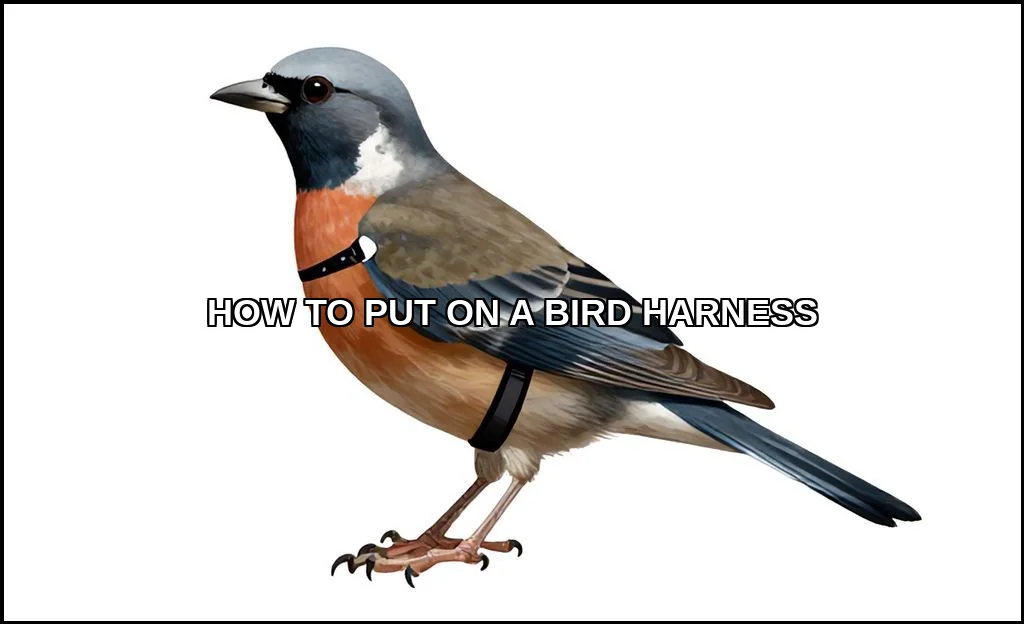
Why a Harness is Better Than Clipped Wings
Some people consider wing clipping for safety. A harness offers a superior solution. It allows for full flight indoors, which is critical for physical and psychological health, while providing secure outdoor access. It’s a bird safety harness system that doesn’t compromise their natural abilities.
Think of it as a seatbelt for adventures. It prevents sudden, frightened flights triggered by unexpected noises. This is a core part of bird escape prevention. It also protects from predators. The goal is enrichment without risk.
Choosing the Right Gear: Harness vs. Flight Suit
You have two main product categories: the traditional avian harness and the bird flight suit. Knowing the bird harness vs flight suit difference matters for your lifestyle.
A standard harness, like those from brands such as Aviator Harness, consists of loops for the neck and body connected by a central strap. It’s minimalist and great for most pet bird walking. A flight suit, like those from FeatherWear, is a fuller garment that also functions as a diaper. It’s ideal for birds that will be out for extended periods.
Material choice is a missing entity many guides overlook. Nylon is common, lightweight, and easy to clean. Leather, used in some premium harnesses, is durable and can mold to your bird’s shape over time but requires more care. Consider your local climate and temperature considerations for outdoor use; dark materials heat up faster in the sun.
Getting the Correct Size
A harness that’s too tight can injure; one that’s too loose defeats the purpose. The question of what size harness for a cockatiel versus a macaw is vital. Manufacturers provide sizing charts based on species weight and chest circumference.
- Small Birds (Finches, Budgies): Specialized, lightweight micro-harnesses exist but require immense patience to train.
- Medium Birds (Cockatiels, Conures): The most common size range. An adjustable design is key here.
- Large Birds (African Greys, Amazons): Require sturdy construction.
- Extra-Large Birds (Cockatoos, Macaws): Need heavy-duty avian flight suit or harness models designed for their strength.
Always measure your bird according to the brand’s specific instructions. When in doubt, consult an official source like a reputable avian store or your vet.
The Step-by-Step Fitting Process
Never just put the harness on. The parrot harness fitting process is a multi-session training protocol. Rushing creates fear and setbacks.
Stage 1: Acclimation and Desensitization
Leave the harness near the cage for days. Let your bird investigate it without pressure. Pair its presence with high-value treats. The goal is to make the harness a neutral, even positive, object. This slow approach is a core competitor focus area for a reasonit works.
Stage 2: Target and Touch Training
Use a chopstick or clicker for target training. This builds communication. Then, gently touch your bird’s body with the target stick, mimicking where the harness will goneck, back, under the wings. Reward calm behavior profusely. This is foundational for how to train a parrot to wear a harness.
Stage 3: Introducing the Loops
- Hold the neck loop open with your fingers. Lure your bird’s head through with a treat. Do not fasten it. Immediately remove it and reward. Repeat.
- Practice the same with the body loop. Gently slide it over the wings, one at a time, without connecting.
- Work on duration. Can your bird wear just the neck loop for 5 seconds? 30 seconds? Use steady, calm positive reinforcement.
Stage 4: The Full Assembly
Once both loops are tolerated separately, connect them. Do not attach the leash yet. Let your bird walk around indoors for short periods, heavily distracted with play and treats. Watch for any signs of chewing or discomfort. How to prevent bird from chewing harness involves supervision, distraction, and ensuring the fit isn’t causing irritation.
Safety Tips and Common Mistakes
Even with the best bird restraint system, vigilance is non-negotiable.
- Never Leave Attended: A harnessed bird should never be left alone, even for a minute. They can get tangled.
- Check Fit Constantly: You should be able to slip a finger under the straps. Watch for rubbing.
- Mind the Weather: Avoid extreme heat or cold. Birds are sensitive to temperature shifts.
- Skip the Harness if Stressed: If your bird is already anxious (maybe due to other factors like illnesslearn more about how illness does affect birds), postpone harness training.
- Avoid Force: The biggest mistake is forcing the harness on. This can break trust permanently.
Training can be stressful. For a deep dive on managing this, the Lafeber Company has an excellent authority guide on the subject.
Troubleshooting Common Issues
Hitting a snag is normal. Heres how to problem-solve.
Bird Chews the Harness
This is the most common issue. Ensure the material isn’t itchy. Provide an alternative chew toy immediately when the harness goes on. Keep initial sessions very short to prevent boredom. A well-fitted harness offers less loose material to grab.
Bird Flips Onto Its Back
Some birds, especially cockatiels, may do this. Stay calm. Gently right them. Practice the step-up command diligently so they know how to regain their footing. This behavior usually diminishes as they gain confidence.
Bird is Terrified and Won’t Progress
Go back a step. If Stage 3 is causing fear, return to Stage 2 for a week. The pace is set by your bird, not your calendar. Patience isn’t just a virtue here; it’s the requirement.
Harness Maintenance and Final Prep
Inspect the harness before every use. Frayed stitching or a worn buckle means retire it immediately. Clean it according to manufacturer instructionsusually a gentle hand wash. A clean harness is more comfortable and sanitary.
Before heading outside, ensure your bird is fully comfortable indoors with the leash attached. Practice in a safe, enclosed space first. Remember, the great outdoors is full of novel stimuli. Your calm confidence is their security. For other ways to enrich your bird’s life indoors, consider the best monitored habitats to observe their natural behaviors.
Harness training is a journey of trust. It opens up a world of shared experiences, from backyard explorations to quiet park visits. It transforms you from a keeper into a true adventure partner for your feathered friend. Start slow, celebrate small victories, and always prioritize your bird’s comfort over your timeline. The destinationsafe, joyful outingsis worth every patient step.
