
Monitoring your bird’s health requires a delicate touch. Traditional methods can be stressful for both you and your pet. That’s where technology steps in, offering a smarter way to keep tabs on their well-being.
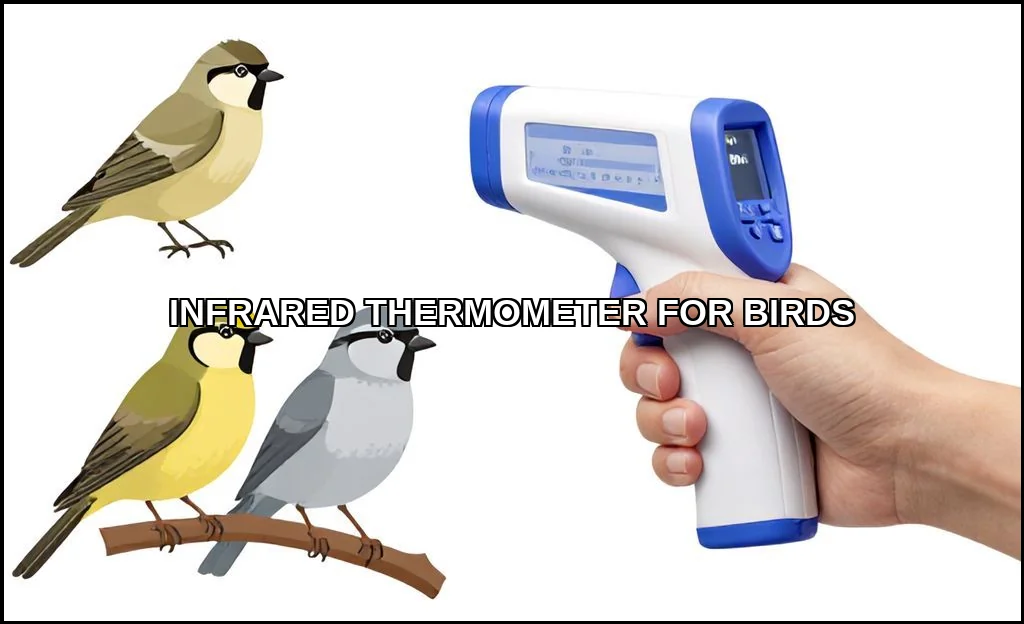
An infrared thermometer for birds provides a quick, non-contact temperature reading. It’s a game-changer for avian fever detection and routine checks. For consistent, reliable readings, many avian veterinarians and dedicated pet bird owners trust the La Crosse 204-1081MV2. Its design balances accuracy with ease of use, making it a solid choice for home aviaries.
What is an Infrared Bird Thermometer?
Think of it as a specialized temperature gun for your feathered friend. This device measures thermal radiation emitted from a surfacein this case, your bird’s skin or vent areawithout any physical contact. It’s a form of non-contact measurement that falls under the broader categories of veterinary thermometers and pet care devices.
Unlike human thermometers, models designed with birds in mind often feature adjusted emissivity settings and smaller measurement spots. This is critical for accurate readings on small, feathered bodies. The goal is simple: get the data you need without causing stress.
Beyond the Pet Store: Who Uses These Tools?
While pet bird owners are a primary audience, the application is wider. Poultry farmers rely on them for flock health monitoring. Bird breeders use them during chick assessments. And of course, avian veterinarians incorporate them into standard examinations. It’s a versatile tool across avian care.
Why Use Infrared for Avian Temperature?
Stress is a major health risk for birds. The mere act of restraint for a rectal thermometer can spike their heart rate and temperature, giving you a false reading. An avian infrared gun eliminates this problem.
You get an instant snapshot of their thermal state. This is perfect for initial bird fever detection or monitoring recovery from illness. It’s also invaluable for checking newly acquired birds or those in quarantine, helping you understand how diseases might manifest thermally without cross-contamination risk.
- Minimal Stress: No handling or restraint needed for a basic scan.
- Speed: Readings take less than a second.
- Safety: Reduces risk of injury to fragile birds and avoids spreading pathogens.
- Versatility: Can scan perches, brooder boxes, or environmental temperatures too.
How to Properly Use an Infrared Thermometer on Birds
Accuracy depends entirely on proper technique. It’s not just point and shoot. Heres a step-by-step guide on how to use infrared thermometer on parrots and other birds.
1. Preparation is Key
Let the bird acclimate to the room’s temperature for at least 30 minutes. Avoid taking readings right after flight or when the bird is in direct sunlight or a draft. Ensure the measurement areatypically the vent or under the wingis clean and free of feathers (as much as possible without plucking).
2. Mastering the Measurement
- Hold the thermometer perpendicular to the skin surface you’re targeting.
- Get within the specified distance. This is where distance-to-spot ratio mattersa 12:1 ratio means from 12 inches away, it measures a 1-inch spot.
- Aim for the vent area or bare skin under the wing. The beak or feet are less reliable for core temperature.
- Press the button and record the reading. Take 2-3 readings for consistency.
Remember, you’re measuring surface temperature, which is slightly lower than core body temperature. The skill is in consistent technique to track changes.
3. Interpreting the Results
This is where many guides fall short. You must know your species’ baseline. A “normal” temperature for a chicken is very different from a parrot. Consult an authority guide or your vet for an avian temperature normal range chart specific to your bird.
| Bird Type | Approximate Normal Range (F) | Note |
|---|---|---|
| Parrots (e.g., Macaws, Cockatoos) | 103.0 – 105.0 | Varies by size and species |
| Canaries & Finches | 106.0 – 108.0 | Higher metabolic rate |
| Chickens | 105.0 – 107.0 | Standard poultry baseline |
Track trends, not just single numbers. A consistent rise of 1-2 degrees is more telling than one high reading.
Top Features to Look For in a Bird Temperature Scanner
Not all infrared thermometers are created equal for avian use. When searching for the best infrared thermometer for small birds, prioritize these features.
- High Distance-to-Spot Ratio (D:S): Look for at least 8:1, preferably 12:1. This lets you take accurate readings from a respectful distance.
- Adjustable Emissivity: Skin has a different emissivity (ability to emit radiation) than metal or plastic. A setting around 0.95-0.97 is ideal for biological tissue.
- Backlit Display: Crucial for dimly lit aviaries or brooders.
- Data Hold & Memory: Allows you to record readings without startling the bird with beeps or movement.
- Compact, Ergonomic Design: You need to hold it steady. Brands like Etekcity and Klein Tools offer models known for durable, user-friendly designs in the tool category, while ThermoWorks is revered in precision temperature measurement.
Safety & Accuracy Considerations You Can’t Ignore
An infrared thermometer is a screening tool, not a diagnostic oracle. Its primary value is in non-invasive bird check routines and early warning.
Understanding the Limitations
Feathers are fantastic insulation. They will block an accurate reading. You must find bare skin. Environmental factorsambient temperature, humidity, draftsaffect surface readings. Always consider the context.
Never use it as the sole basis for medical treatment. A high reading from your bird fever gun indicates “potential problem,” not “confirmed diagnosis.” It tells you when a vet visit is urgent.
Comparison to Rectal Thermometers
Rectal thermometers provide core body temperature, the clinical gold standard. However, the process is invasive, risky for small birds, and requires skill. Infrared offers a safe, daily alternative. Think of it this way: infrared is for monitoring; a vet’s rectal reading is for diagnosing.
The Future: Integration and Data
A missing piece in the market is integration. Imagine a bird health monitor that logs readings in an app, tracks trends against species-specific baselines, and even shares data directly with your avian vet. This is the next frontiermoving from single data points to holistic health insights.
Knowing baseline temps is also key for different species. A chatty African Grey might have a different normal range than other parrots which are known for vocal skills. Sensitivity data per species would be a major advancement.
An infrared thermometer empowers you to be proactive. It turns a stressful procedure into a simple part of your daily interaction. You catch subtle shifts in pet bird temperature before they become crises.
Choose a tool with the right specs for your bird’s size. Master the technique. Most importantly, use the data as one piece of your bird’s health puzzlecombined with observation of behavior, appetite, and droppings. It’s about informed care, not just a number on a screen. Your feathered friend deserves that level of attention.
