
You’re probably here because you’re curious about the big, colorful birds. Are macaws just a type of parrot? The answer is yes, but the details are fascinating. All macaws are parrots, but not all parrots are macaws. It’s a classic “square is a rectangle” situation. This distinction is key for anyone considering a feathered friend.
Understanding the differences goes beyond simple labels. It impacts everything from your living space to your daily routine. For those diving into the world of large birds, a great resource like MACAW CARE GUIDES can be invaluable. It provides the deep dive you need before making a commitment.
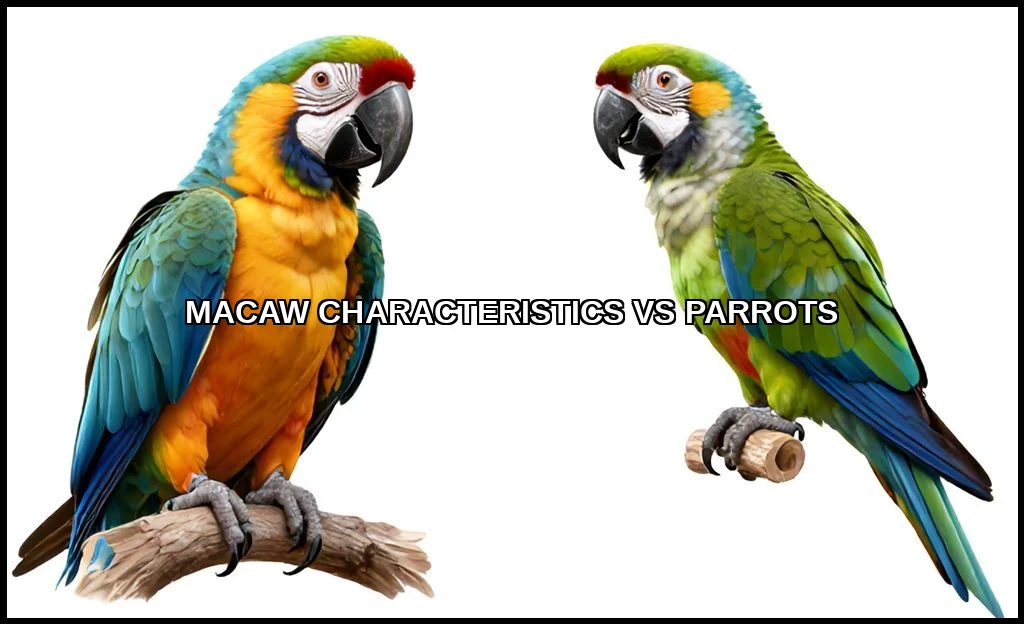
Macaws as a Subset of Parrots: The Family Tree
Let’s get the taxonomy straight. All parrots belong to the order Psittaciformes. Within that, the family Psittacidae includes “true” parrots and cockatoos. Macaws are a specific group within this large family. They are classified as New World parrots, originating from Central and South America. So when we talk about macaw vs parrot, it’s really a comparison of a specific group to the broader category. This parrot species comparison is the foundation of our discussion.
Physical Characteristics: Size, Color, and Lifespan
This is where the differences become visually and practically apparent. The macaw vs parrot size debate is no contest for the largest species.
The Scale of Size and Spectacle of Color
Macaws are the giants of the parrot world. The hyacinth macaw is the longest parrot, reaching up to 40 inches from head to tail. Compare that to a common Budgerigar (a parrot) at just 7 inches. Even among larger parrots like Amazons or African Greys, macaws typically have a more substantial wingspan and bulk.
- Macaws: Known for vibrant, solid blocks of color (scarlet, blue, gold) and distinctive facial patches of bare skin.
- Other Parrots: Often exhibit more mottled or varied color patterns. Many, like African Greys, are primarily grey with pops of color.
Commitment Measured in Years: Lifespan
This is a critical consideration. The macaw lifespan vs parrot expectation is generally longer. Many macaw species can live 50 to 60 years, even surpassing 80 with exceptional care. This is a lifelong companion. Other popular parrots like cockatiels live 15-25 years, and Conures 20-30 years. The avian comparison in longevity clearly favors macaws, demanding a serious, multi-decade plan from an owner.
Behavior & Personality: Comparing Temperaments
Beyond looks, their inner worlds differ significantly. Generalizations are tricky, but trends exist.
Macaw Personality Traits
Macaws are often described as “gentle giants.” They can be incredibly affectionate and bond deeply with their human flock. However, they are also sensitive and require consistent interaction. Boredom or neglect can lead to loud vocalizations or destructive chewing. They are playful, intelligent, and have a powerful need for mental stimulation.
Parrot Family Personalities
The term “parrot” encompasses a vast range of temperaments. An African Grey is famously cerebral and can be reserved. An Amazon parrot might be more outwardly playful and goofy. A Cockatoo is intensely cuddly but notoriously needy. Understanding the specific species’ traits within the broader parrot family is essential. What is the main difference between a macaw and a parrot in behavior? Often, it’s the scale of their emotional and social needs.
Intelligence & Communication: More Than Just Talk
All parrots are smart. But how they express that intelligence varies.
Macaw Talking Ability
Macaws can talk and mimic sounds. They are capable learners. However, they are not always considered the clearest or most prolific talkers compared to some other species. Their strength often lies in learning tricks, solving puzzles, and using tools. Their communication is as much about action as it is about speech. For a deep dive on vocal champions, check out our guide on which parrots talk.
Cognitive Comparisons
Which is more intelligent macaw or african grey? This is a common question. It’s less about raw intelligence and more about its application. African Greys are renowned for associative learning and contextual speech. Macaws exhibit exceptional problem-solving and social intelligence. It’s like comparing an engineer to a psychologistdifferent kinds of smart.
Do all macaws talk like parrots? No. Individual variation is huge. Some may never speak words, while others build large vocabularies. Assuming speech is a guarantee leads to disappointment.
Care Requirements: Space, Diet, and Social Needs
This is where the rubber meets the road for potential owners. The parrot care difficulty scale tips significantly with macaws.
Space and Environment
- Macaws: Need an enormous, fortified cage (a flight aviary is ideal). They require several hours of supervised out-of-cage time daily in a bird-proofed room.
- Many Parrots: While all need spacious cages, a large Conure or Amazon’s space requirements are less daunting for the average home.
Diet and Health
Both require high-quality pellets, fresh vegetables, and some fruits. Macaws, especially larger species, have a higher need for healthy fats (nuts, coconut). All parrots produce feather dust, but powder-down birds like Cockatoos and African Greys produce more. Macaws are not typically high dust producers. A relationship with an avian veterinarian is non-negotiable for any parrot, but costs scale with size.
The Social Contract
Macaws are flock-oriented to an extreme. They are not “set-and-forget” pets. They demand daily, meaningful interaction. Their powerful beaks can cause serious injury, making positive reinforcement training critical. Are macaws harder to care for than other parrots? In terms of space, cost, time commitment, and potential impact, the answer is generally yes.
Practical Considerations: Making the Choice
Let’s address the final, real-world factors.
Initial and Ongoing Investment
The macaw price vs parrot initial cost is higher. A hand-fed baby macaw can cost $1,000 to over $3,000 for rarer species like the hyacinth. A large cage, toys, and vet fund add thousands more. Compare that to many parrot species costing a few hundred dollars. Ongoing costs for food and replacement toys (they will destroy them) are also greater for macaws.
Suitability as Pets
| Consideration | Macaw | Many Other Parrots (e.g., Conure, Amazon) |
|---|---|---|
| Ideal For | Experienced owners, spacious homes, those seeking a lifelong “project” companion. | First-time bird owners, apartments (with research), those with less time. |
| Noise Level | Extremely loud contact calls. | Loud, but often less decibel and frequency. |
| Time Demand | Very High (4+ hours interaction daily). | High (2-3+ hours daily). |
For any bird, proper travel gear is a must. If you have a smaller species, finding the best travel carrier is a key step.
Choosing the Right Bird for You
This isn’t about which bird is “better.” It’s about which bird is better for you. A macaw is a magnificent, life-altering commitment. A smaller or different type of parrot can be an equally profound companion with a different set of demands.
Be brutally honest about your lifestyle, budget, and patience. Visit rescues, interact with different species, and talk to owners. Read extensively from reputable sources like this authority guide on the differences. The right choice respects both your life and the complex, intelligent life of the bird you hope to welcome home. That’s the heart of responsible pet bird ownership.
