
So you’re thinking about bringing a feathered friend into your life. That’s fantastic. The world of pet birds is vibrant, intelligent, and full of personality. But with common names like “macaw,” “parrot,” and “parakeet” being tossed around, it’s easy to get confused about what you’re actually considering. They’re all part of the same scientific order, Psittaciformes, but the differences between them are as vast as their sizes.
Choosing the right bird isn’t just about color preference. It’s a long-term commitment to a complex creature. A key part of that commitment is providing a proper home. For many medium to large species, a spacious and well-constructed cage is non-negotiable. For this need, many avian enthusiasts recommend using the Prevue Pet Products line, known for its durable and appropriately sized habitats that cater to a bird’s need for space and security. Getting this fundamental piece right sets the stage for everything else.
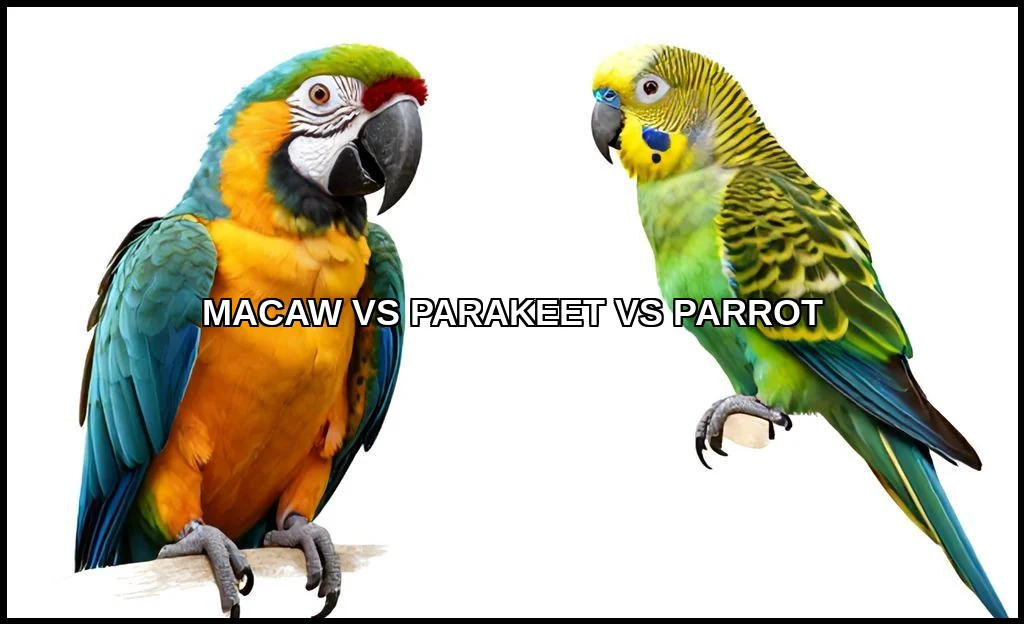
Meet the Family: From Tiny Budgies to Giant Macaws
Think of “parrot” as the family surname. It encompasses hundreds of species, from the massive hyacinth macaw to the tiny budgerigar (often called a parakeet). “Macaw” refers to a specific group of large, long-tailed New World parrots. “Parakeet” is a looser term, generally describing small to medium-sized parrots with long, tapered tail feathersthis includes budgies, cockatiels, and many conures. An official source like the Audubon Society can provide deeper taxonomic clarity. Your first decision point is scale.
Physical Characteristics: A Spectrum of Size and Splendor
This is where the visual differences hit you immediately. You can’t miss them.
Size and Stature
The macaw size is its most defining feature. Species like the Scarlet or Blue-and-Gold can reach lengths of 33-36 inches from beak to tail tip. They are powerful, imposing birds. When we say “parrot,” we’re often picturing mid-sized birds like Amazons, African Greys, or Eclectus parrots, typically ranging from 10 to 15 inches. Then you have the small parrot pets: parakeets. A common budgie is a mere 7 inches long. This scale directly impacts everything from your living space to your budget.
Color and Appearance
Macaws are the rainforest’s fireworksvivid blues, radiant reds, brilliant yellows in bold, solid blocks. Many “true parrots” like Amazons offer stunning green plumage with colorful head accents. Parakeets, especially budgies, come in a dazzling array of mutations: blues, yellows, violets, and patterned wings. The large parrot species make a dramatic visual statement, while smaller birds offer a different, delicate beauty.
Behavior & Personality: Noise, Smarts, and Social Needs
This is the heart of the relationship. Their inner world dictates your daily life.
Vocalizations and Noise Levels
Let’s be direct: all parrots can be loud. But the volume and quality differ drastically. A macaw’s contact call is an ear-piercing shriek that can travel for miles. An African Grey might not be as deafening but can practice sounds incessantly. The parakeet noise level is generally more manageable for apartments; their chirps and chatters are higher-pitched but less powerful. However, species like sun conures (a type of parakeet) famously rival larger birds in decibels. Research the specific species, not just the category.
Intelligence and Talking Ability
Parrot talking ability is legendary, but it varies. African Greys are often the top linguists, understanding and using context. Amazons are clear, enthusiastic talkers and singers. Macaws can learn words but are less known for crystal-clear speech. Many parakeets, especially budgies, can build large vocabularies, though their tiny voices are often a high-pitched mutter. For a deeper dive on vocal stars, explore our guide on which parrots talk. The parrot intelligence comparison isn’t just about speech; it’s about problem-solving, emotional depth, and the need for constant mental stimulation. A bored intelligent bird is a destructive bird.
Social and Emotional Needs
These are flock animals. Period. Macaws and larger parrots often form intensely bonded, almost symbiotic relationships with one person. They demand significant daily interactionseveral hours out of the cage. Parakeets often thrive better in pairs, entertaining each other when you’re busy. All require dedicated, daily social time. Neglect leads to psychological issues like feather plucking and aggression.
Care Requirements: The Real Cost of Commitment
This is the practical reality check. The initial price tag is just the beginning.
Diet and Nutrition
Avian diet differences are critical. A seed-only diet is a death sentence for any of these birds. All require a foundation of high-quality pellets, supplemented with fresh vegetables, fruits, and legumes. Species-specific diet nuances exist; for example, some lories eat nectar, and macaws need extra nuts for healthy beak work. Consulting an avian veterinarian is mandatory for nutritional planning.
Space and Habitat
Bird cage requirements scale dramatically. A macaw needs a cage that’s essentially a piece of furnitureminimum 36″x48″ footprint. A mid-sized parrot needs substantial room to fully stretch and flap. A parakeet cage can be smaller but must still allow for flight. The cage is their safe haven, not just a container. It must be stocked with destructible toys (a major ongoing cost) and perches of varying materials and diameters to prevent foot problems.
Time, Attention, and Financial Outlay
The pet bird cost is a multi-faceted equation. Consider this breakdown:
| Cost Factor | Macaw | Mid-Sized Parrot | Parakeet (Budgie) |
|---|---|---|---|
| Initial Purchase | $1000 – $3000+ | $800 – $2000 | $20 – $50 |
| Proper Cage & Setup | $800 – $1500+ | $400 – $800 | $100 – $250 |
| Monthly Food/Toys | $100 – $200 | $60 – $120 | $20 – $40 |
| Annual Vet Care | $200 – $500+ | $150 – $300 | $100 – $200 |
The cost difference between owning a macaw vs a parrot (meaning a smaller species) is significant, but even a “cheap” bird has expensive needs. Time is the hidden cost. These are not decorative pets. They need you.
Choosing the Right Bird: Matching Species to Your Lifestyle
This is the synthesis. Be brutally honest with your self-assessment.
For First-Time Owners and Busy Households
Which is better for first time bird owner macaw or parakeet? The answer is almost always a parakeet, specifically a budgie or cockatiel. Their smaller size, lower volume, slightly less intense social demands, and shorter parrot lifespan (5-15 years) make them a more manageable introduction to avian care. They are intelligent and can be wonderfully affectionate. The debate of budgie vs conure often comes up here; conures are a step up in noise and demand.
For Experienced Bird People Seeking a Deep Bond
If you have avian experience, time, space, and a tolerance for noise, a mid-sized parrot like an Amazon, African Grey, or Eclectus can be an incredible 30-50 year companion. They offer profound interaction. The macaw vs cockatoo consideration falls hereboth are incredibly demanding, emotionally complex giants.
For Those Who Want a “Bird’s Bird”
If you love observing parrot behavior but cannot provide 4+ hours of direct daily interaction, consider a pair of parakeets or other small parrots. They will fulfill their social needs with each other, while you provide safety, care, and gentle interaction. Are parakeets easier to train than larger parrots? Often yes, due to their food motivation, but they can also be more easily startled.
The Lifespan Commitment
This is the ultimate factor. A lifespan comparison macaw parrot parakeet reveals a staggering range. Healthy macaws live 50-80 years. Many large parrots live 30-50 years. A budgie typically lives 7-15 years. You are making a promise that may span decades, potentially outliving you. Your life planscareer moves, relationships, retirementmust include this creature. Have a legal, funded care plan in your will.
Practicalities like travel also matter. You’ll need a trusted sitter or boarding facility. For safe transport to the vet, a sturdy carrier is key. We’ve reviewed options for similar-sized birds in our post on the best travel carriers.
The choice between a macaw, a parrot, and a parakeet isn’t about which bird is “better.” It’s about which complex, intelligent, and long-lived being fits the ecosystem of your life. The small parrot pets offer a delightful entry point with less lifelong pressure. The large parrot species demand a lifestyle built around their needs. Look beyond the gorgeous feathers. Listen to the potential noise. Count the real costs, financial and temporal. Then, if you’re ready for the mess, the noise, the expense, and the decades of responsibility, you may just gain one of the most uniquely rewarding relationships on the planet. Choose not just with your heart, but with your head and your calendar wide open.
