
When we call a parrot “articulate,” we’re not just talking about mimicry. We’re describing a bird that can reproduce human speech with remarkable clarity, context, and sometimes, apparent understanding. This goes beyond simple squawks. It’s about speech clarity, the size of their vocabulary, and their uncanny ability to match tone and inflection. For bird enthusiasts, this vocal learning ability is a fascinating window into avian intelligence.
Choosing a feathered companion for their talking prowess is a major commitment. Some species are legendary chatterboxes, while others might surprise you with their precise mimicry. It’s a blend of natural aptitude, individual personality, and, crucially, your training approach. A great starting point for any new owner is a solid training guide. For this, many avian behaviorists recommend Parrot Training A, which provides structured methods to build trust and communication from day one.
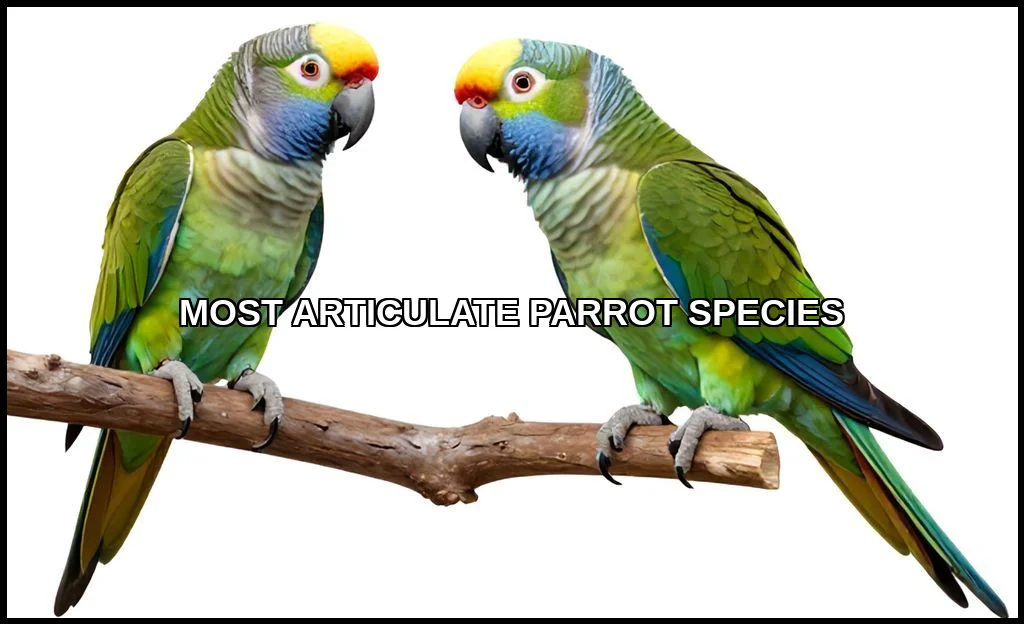
Top 5 Most Articulate Parrot Species
Not all parrots are created equal when it comes to speech clarity. While many can learn, these five species consistently top the list for their vocal learning prowess and clear enunciation.
1. The African Grey Parrot: The Einstein of the Avian World
The African Grey Parrot is often hailed as the smartest talking bird. Their reputation isn’t hype. Studies, like those with the famous Alex, show they can associate words with meanings, colors, and numbers. Their speech clarity is often compared to a human child’s. They don’t just repeat; they contextualize. Asking for a nut when they see one? That’s classic Grey behavior. When considering which parrot species has the largest vocabulary, Greys are the undisputed champions, with some individuals reportedly learning over 1,000 words.
2. The Amazon Parrot: The Confident Orator
Amazon parrots, particularly the Yellow-naped and Double Yellow-headed varieties, are phenomenal talkers. They possess loud, clear voices and a flair for the dramatic. Their parrot speech clarity is excellent, and they often enjoy singing and engaging in loud, interactive “conversations.” A common question is, what age do Amazon parrots start talking? They can begin as early as 6-12 months, but their most prolific learning often happens between 1-3 years of age. Their social nature makes them eager participants in household noise.
3. The Budgerigar (Parakeet): The Small Package with a Big Voice
Don’t let their size fool you. Budgies hold the world record for the largest bird vocabulary. While their tiny voices can be high-pitched, a well-trained Budgerigar demonstrates astonishing bird mimicry ability and clarity. They are often the easiest parrot to teach to talk for beginners, due to their availability, affordability, and generally agreeable nature. Their rapid-fire learning and playful chirps turned into words make them delightful companions.
4. The Eclectus Parrot: The Clear-Talking Conversationalist
Eclectus parrots are known for their exceptionally clear, human-like voices. They often speak in a soft, thoughtful tone that can be eerily precise. An interesting nuance in the Eclectus world is the talker debate. Many owners and breeders report that male Eclectus parrots are better talkers on average, often showing more interest in mimicry than females, who can be more independent. However, individual personality always reigns supreme.
5. Cockatoos & Macaws: The Personality-Powered Mimics
While not always as precise as an African Grey, Cockatoos and Macaws are incredible mimics of sounds and speech. Their strength lies in emotional resonance. They perfectly copy laughs, coughs, and the exact tone of your voice. A Sulphur-crested Cockatoo might not have a 500-word vocabulary, but its ability to replicate your “Hello!” with your exact inflection is unmatched. Their vocal learning is deeply tied to social bonding. For a broader look at which species excel, this guide on the best talkers offers a great comparison.
What Influences a Parrot’s Talking Ability?
Species is just the starting point. Several key factors determine whether your bird becomes a chatterbox or a strong, silent type.
- Individual Personality: Just like people, some birds are naturally more vocal and inquisitive than others.
- Age: Younger birds are generally more receptive to learning new sounds. The critical period for vocal learning is often during their first year.
- Socialization: A parrot that is interacted with regularly, included in family life, and exposed to conversation is far more likely to talk.
- Training Consistency: Short, positive, daily training sessions yield far better results than sporadic, lengthy attempts.
Training Your Parrot for Crystal-Clear Speech
Want to improve your parrot’s enunciation? It’s a game of patience and positive reinforcement. Heres a practical method.
Start with the Basics
- Build Trust First: Never try to train a scared bird. Ensure your parrot is comfortable with you.
- Choose Simple Words: Start with 1-2 syllable words like “Hello,” “Hi,” or their name. Use an enthusiastic, clear tone.
- Timing is Everything: Say the word clearly when you greet them in the morning or give them a favorite treat. They associate the sound with a positive event.
Advanced Techniques for Clarity
Once they’ve mastered basics, focus on how to teach an African Grey to speak clearly (a method that works for most species).
- Face-to-Face: Get on their level. Let them see your mouth move.
- Eliminate Distractions: Train in a quiet room. Turn off the TV.
- Use High-Value Rewards: Immediate reward with a piece of walnut or pine nut when they attempt the word, even poorly.
- Be a Broken Record: Repetition is the mother of skill. Really.
Remember, the goal is a happy, engaged bird. If they get frustrated, stop. Always end on a positive note.
Caring for Your Talkative Companion
Intelligent, vocal parrots have complex needs. Meeting them is non-negotiable for their well-being and your success.
Mental and Physical Enrichment
A bored parrot is a loud, destructive, and often silent (on your terms) parrot. Provide foraging toys, puzzle feeders, and rotate new toys regularly. Training sessions are themselves a critical form of mental enrichment. These activities channel their natural intelligence positively.
Social Interaction & Environment
These are flock animals. They need daily, meaningful interactionnot just being in the same room. Schedule time for talking, playing, and just hanging out. Also, ensure their physical needs are met with a proper carrier for vet visits or travel. For medium-sized birds like Amazons, finding the best travel carrier is a key part of responsible ownership.
Diet and Longevity
A seed-only diet is a recipe for health problems and a shortened lifespan. Offer a high-quality pellet base, supplemented with fresh vegetables, fruits, and healthy grains. A healthy bird is a vibrant, engaged companion for decades. Many of these articulate parrot breeds live 30, 50, or even 80 years.
Choosing one of the most talkative bird species is the beginning of a remarkable journey. It’s a partnership built on consistent training, profound understanding, and dedicated care. Their ability to mirror our speech is a gift of nature, one that deepens the unique bond between human and bird. Focus on clear communication, immense patience, and meeting all their needsnot just their vocal ones. The clearest words often come from the happiest birds.
