
Imagine your cockatiel experiencing a gentle breeze, natural sunlight dappling its feathers, and the space to stretch its wings fully. That’s the promise of an outdoor enclosure. It’s more than a cage; it’s a slice of the wild, a sensory playground that can profoundly enrich your bird’s life. But the transition from a safe indoor habitat to the great outdoors requires meticulous planning. Safety isn’t just a featureit’s the entire foundation.
For this project, ensuring your bird’s security is paramount. Many owners find peace of mind using a dedicated monitoring system like the VISCOO Upgraded Encrypted camera, which allows you to keep a watchful eye from indoors. It’s a smart layer of protection that complements physical safety measures perfectly.
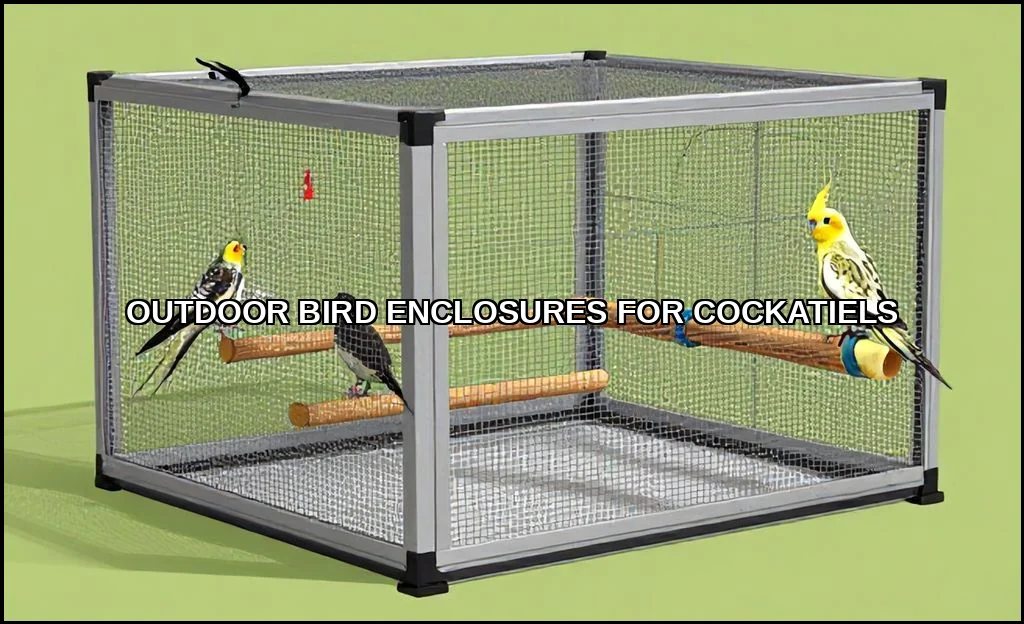
Why Your Cockatiel Craves the Outdoors
Cockatiels (Nymphicus hollandicus) are naturally active, curious birds. Confinement in a small indoor cage, while safe, doesn’t satisfy all their innate needs. An outdoor aviary or flight cage addresses this directly. The primary benefit is vastly increased flight space. Real flight, not just hopping between perches, is critical for muscle tone, cardiovascular health, and mental stimulation.
Then there’s UV exposure. Natural sunlight is irreplaceable. It helps them synthesize Vitamin D3, which is essential for calcium absorption and strong bones. Full-spectrum indoor lights are a good substitute, but nothing beats the real thing in moderation. The sensory enrichmentdifferent sounds, smells, and sightsalso combats boredom and associated behavioral issues like feather plucking.
Essential Safety Features: Non-Negotiables
Before you dream about design, you must engineer for safety. Every single decision flows from this principle.
- Predator-proof Construction: This is your number one job. Threats include cats, hawks, raccoons, and even rats. The enclosure must have a secure, lockable door. Wire mesh should be heavy-gauge (19-gauge or thicker) with spacing no wider than 1/2 inch to prevent reaching paws and beaks. Bury hardware cloth around the perimeter or have a solid floor to stop digging predators.
- Material Safety: Avoid toxic metals at all costs. Galvanized wire coated with zinc is a common killer. Birds can ingest zinc by chewing, leading to heavy metal poisoning. Always opt for zinc-free, powder-coated stainless steel or safe welded wire. This applies to every screw, hinge, and fastener.
- Shelter and Shade: A fully weatherproof section is mandatory. Your cockatiel needs a retreat from direct sun, rain, wind, and cold. This sheltered area should be draft-free but well-ventilated.
Don’t forget about local regulations. Check your local building codes or permits for outdoor structures. An aviary might be considered a permanent shed or outbuilding, requiring approval from your homeowners’ association or city.
Choosing Materials and Design: A Balancing Act
You’re balancing durability against cockatiel safety, and cost against longevity. Let’s break down the common product categories.
Walk-in Aviaries vs. Stand-Alone Flight Cages
A walk-in aviary is the gold standard. It gives you room to enter, interact with your bird, and include natural perches and toys on a larger scale. It allows for true free flight. Stand-alone flight cages, like those from A&E Cage Company or King’s Cages, are excellent compromises. They offer substantial horizontal space but are more portable. Dome top cages provide extra headroom for climbing.
Consider the environment around the enclosure, too. Are there specific plants safe for cockatiels you could plant nearby? Conversely, ensure no toxic plants (like oleander or lilies) are within reach. Research this thoroughlyyour avian vet is a great resource.
Step-by-Step: To Build or to Buy?
This is the core decision. Your answer depends on skill, budget, and time.
Buying a Pre-built Enclosure
This is the plug-and-play option. Reputable brands like Prevue Hendryx design with safety in mind. You get a tested product, often with warranties. It’s faster and requires no construction skills. Search for “best outdoor cage for cockatiel safety” to find models vetted by other bird owners. The trade-off is cost and potential limitations in custom size or features.
The DIY Route
Building it yourself offers total customization. You can tailor every dimension to your space and your bird’s needs. Searching for DIY outdoor cockatiel enclosure plans will yield many blueprints. Key steps include:
- Creating detailed plans with precise measurements.
- Sourcing all bird safe materials (zinc-free wire, safe lumber, stainless steel hardware).
- Constructing a robust frame, often from weather-treated lumber or aluminum.
- Attaching wire mesh securely, ensuring no sharp edges are exposed inside.
- Building and attaching a fully sheltered, insulated house section.
It’s a rewarding project, but it demands significant effort and precision. A mistake in material choice or construction can be fatal.
Maintenance and Seasonal Considerations
An outdoor enclosure isn’t a “set it and forget it” solution. It’s a dynamic environment that needs regular care.
- Daily Checks: Inspect for wear, rust, or breaches in the wire. Ensure food and water are clean and sheltered.
- Weekly Cleaning: A more thorough clean of perches, toys, and flooring is needed to prevent mold and bacteria.
- Seasonal Shifts: This is critical. Can cockatiels live in an outdoor aviary year-round? It depends entirely on your climate. Most will need to be brought indoors during extreme cold or heat. Use temperature and humidity monitoring devices inside the sheltered area. Never leave them out overnight unless the aviary is a fully insulated, climate-controlled structure.
Always have a contingency plan. Know when to bring them inside. For comprehensive guidelines on safe practices, consult this authority guide from avian experts. Staying informed about broader health risks, like how the bird flu does impact pet birds, is also part of responsible ownership.
Bringing It All Together
Creating a safe outdoor bird cage is one of the greatest gifts you can give your cockatiel. It fulfills their deepest instincts for flight, exploration, and natural sunlight exposure. The journey requires you to become part architect, part safety inspector, and part meteorologist. Start with an unshakeable focus on predator protection and non-toxic materials. Decide if a purchased backyard bird enclosure or a custom-built project suits your life better.
Remember, the goal is enrichment, not just relocation. The enclosure should be an exciting destination, not a permanent residence for most owners. Incorporate foraging toys, different textured perches, and safe greenery. And while you’re enhancing their outdoor life, you might get inspired to see them in a new lightperhaps even considering one of the best birdhouses with cameras to observe their natural behaviors up close.
Done right, an outdoor aviary for cockatiels transforms your relationship with your bird. You’ll see behaviors you never witnessed indoors. The chirps will sound differentmore vibrant. Its a commitment, absolutely. But watching your cockatiel catch the sun on its wings makes every careful planning step worth it.
