You want to welcome birds into your garden. A simple, clean water source is often more effective than a feeder full of seed. It’s about creating a backyard bird oasis, a reliable spot for avian hydration that supports local wildlife through every season.
Think of an outdoor bird water dish as more than just a bird bath. It’s a wildlife water source, a garden bird station, and a critical resource. From tiny hummingbirds to larger songbirds, every creature needs a drink. A well-chosen dish can become the centerpiece of your garden’s ecosystem.
Types of Outdoor Bird Water Dishes
Your choice depends on your space, local birds, and how much maintenance you prefer. Each style serves a different purpose and attracts different visitors.
Ground-Level Dishes
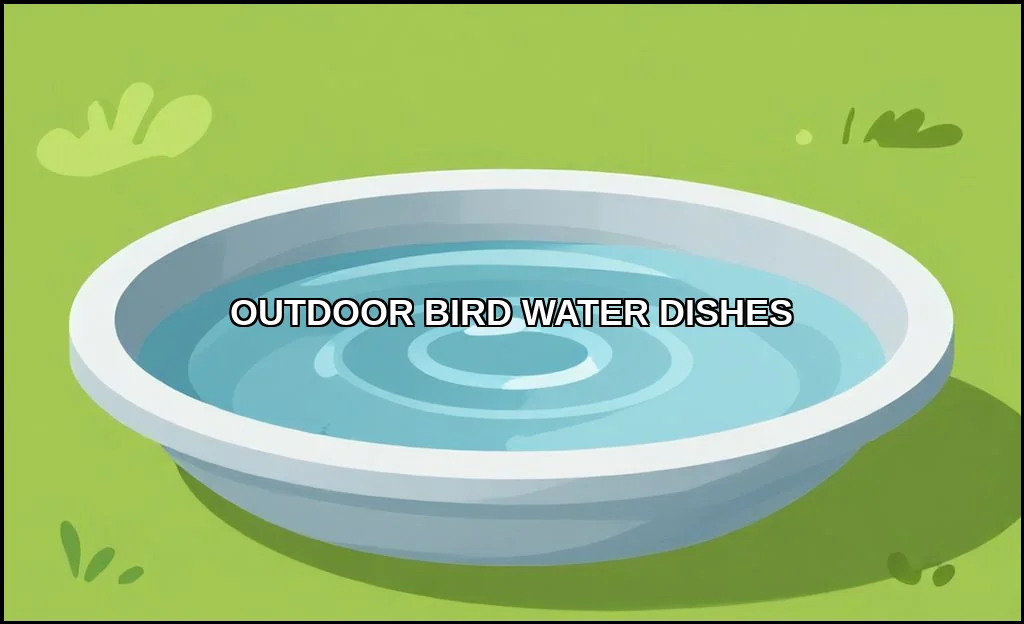
These are simple, shallow basins placed directly on the soil. Robins, towhees, and doves prefer them. The key is keeping them clean from fallen leaves and debris. A ground bird water dish should be shallow to prevent drowning risks for smaller species.
Pedestal & Hanging Styles
Elevated dishes offer safety from ground predators. A hanging bird waterer, often made from lightweight plastic or metal, sways gently, which can attract curious birds. Pedestal styles provide a stable, classic bird bath look. Both keep the water cooler and cleaner than ground options.
Advanced Systems: Heated, Solar, and Automatic
For the dedicated enthusiast, advanced options solve specific problems. A heated bird bath is the definitive answer for how to keep bird water from freezing in winter. A solar bird water dish uses a small pump to circulate water, discouraging mosquitoes. For ultimate convenience, an automatic bird water dispenser connects to a hose, maintaining a constant water level.
For a balance of aesthetics and function, many birdwatchers opt for a model like the Daoeny Bird Bath. Its classic design and practical depth make it a versatile choice for a wide variety of species, blending seamlessly into most garden settings.
Key Features to Look For
Not all dishes are created equal. A few smart choices during purchase save hours of maintenance later.
- Non-toxic materials: Ensure any plastic, ceramic, or metal won’t leach chemicals. This is non-negotiable for wildlife health.
- Slip-resistant surface: Birds need grip. Textured bottoms or added gravel are essential, especially for smooth materials like glazed ceramic or metal.
- Easy to clean: Look for smooth surfaces without hard-to-reach crevices where algae and bacteria can hide. A simple shape is a practical shape.
- Appropriate Depth: A gradient from very shallow (1-2 inches) to deeper (3 inches) accommodates everything from sparrows to jays. This is a key missing entity many overlook.
Brands like Aspects and Songbird Essentials often excel in these functional details, while Droll Yankees is known for durable, long-lasting feeders and accessories.
Proper Placement for Maximum Bird Visits
Location is everything. A perfect dish in the wrong spot will see few visitors.
Place your garden bird station within 10-15 feet of natural cover, like shrubs or trees. This gives birds a quick escape route from predators like hawks or domestic cats. However, avoid placing it directly under a feeder, as falling seed and hulls will foul the water rapidly.
Consider creating a multi-tiered hydration station. A ground dish for ground-feeders, a pedestal bath for songbirds, and a very shallow saucer or mister for hummingbirds and butterflies. Speaking of which, a shallow dish with wet sand or mud creates a perfect butterfly puddling station, another often-missing element in backyard habitats. Even native bee hydration can be supported with a dish filled with pebbles and water.
For more inspiration on setup, the National Audubon Society offers an excellent authority guide on creating the ideal avian water source.
Cleaning and Maintenance Guide
A dirty water dish is a health hazard. Stagnant water breeds mosquito larvae and spreads disease. Regular cleaning is a simple act of care.
Heres a simple weekly routine:
- Empty the dish completely.
- Scrub vigorously with a stiff brush. For tackling how to clean algae from bird water dish, a solution of one part white vinegar to nine parts water works wonders. Avoid soaps and detergents.
- Rinse thoroughly until no residue remains.
- Refill with fresh, cool water.
During hot spells, you may need to refresh the water daily. This prevents bacterial growth and keeps it appealing. Its also a good time to check if your bird health practices are up to date, as clean water sources are a frontline defense against disease transmission in flocks.
Seasonal Care and Winter Solutions
Your role as a water steward changes with the seasons. Summer is about freshness and preventing mosquitoes. Autumn requires frequent leaf-clearing.
Winter presents the biggest challenge: ice. A heated bird bath is the most reliable solution. If you don’t have a heated model, try a dark, shallow plastic basin that absorbs daytime sun. You can also use a birdbath de-icer. Never add antifreeze or salt. For a DIY bird water dish with drip feature, a very slow drip from a suspended jug or a commercial dripper can prevent freezing for longer, and the sound attracts birds.
Spring is the time for a deep clean. Disassemble pumps in solar or fountain models, descale with vinegar, and ensure everything is ready for the breeding season, when parent birds will be frequent visitors.
Attracting Specific Species
Tailor your setup to your guests. For the best outdoor water dish for hummingbirds, think movement. They are attracted to misters, drippers, or fountains. A simple saucer with a few stones is perfect for butterflies to puddle. For songbirds, a classic 2-3 inch deep basin with a rough texture works best.
Remember, integrating a water source with other habitat features creates synergy. Pairing your water station with one of the best monitored birdhouses can give you incredible insight into the daily lives of your feathered tenants.
Material Considerations: Ceramic, Plastic, and Metal
Each material category has pros and cons.
| Material | Pros | Cons |
|---|---|---|
| Ceramic Dishes | Heavy, stable, aesthetic. Stays cool. | Can crack in freeze-thaw cycles. Often slippery. |
| Plastic Basins | Lightweight, inexpensive, easy to clean. | Can degrade in UV light. Less stable in wind. |
| Metal Fountains | Very durable, often includes pumps. | Gets extremely hot in sun. Can be noisy. |
Your local climate and aesthetic goals will dictate the best choice. In freezing areas, a plastic dish with a removable heater might be ideal. In a formal garden, a stone or ceramic pedestal makes sense.
Providing water is one of the most rewarding aspects of bird gardening. It meets a fundamental need. Start simple. A shallow plant saucer with stones placed in a quiet corner is a perfect beginning. Observe who visits. Adjust the depth, the placement, the style. You’re not just putting out a dish. You’re building a vital resource, a hub of activity and life. Your backyard will thank you for it.
