
Imagine a companion that greets you by name, asks for a snack, and even tells a joke. That’s the unique charm of a talking parrot. These aren’t just birds repeating sounds; they are intelligent creatures capable of forming social bonds through vocal interaction. Their ability to mimic human speech is a fascinating blend of instinct and mimicry, driven by complex social structures and remarkable vocal training potential.
This talent varies wildly across species. Some parrots are prolific chatterboxes, while others may only master a few words. Success hinges on more than just the bird’s innate ability. Your approach to training, the environment you create, and consistent social enrichment are equally critical. For those captivated by the idea, a realistic Talking Macaw Parrot toy can be a fun, low-commitment introduction to the concept, available for those curious to test the waters.
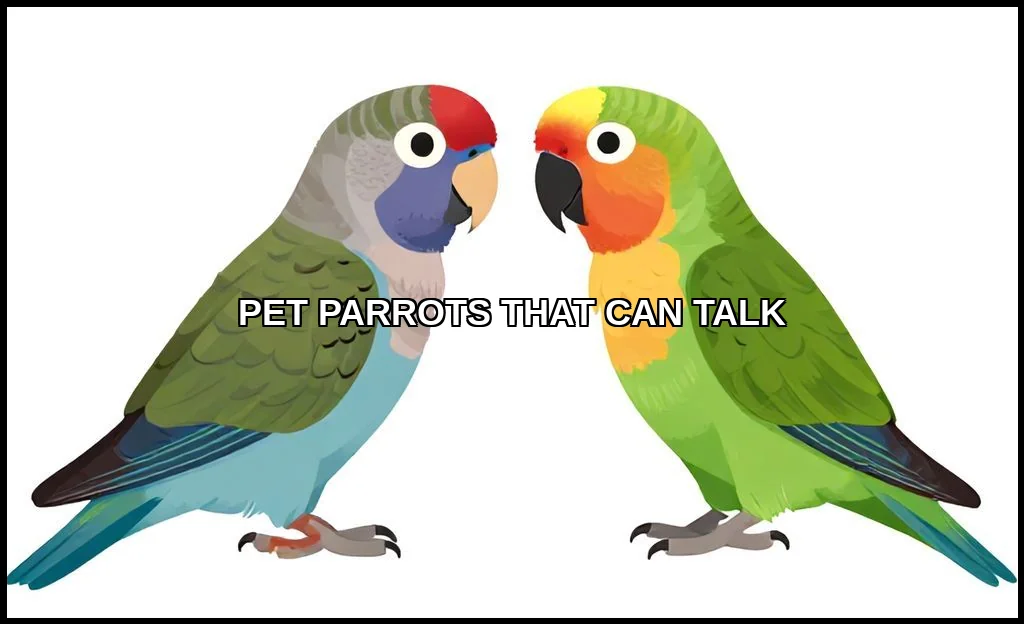
Top Parrot Species Known for Talking Ability
Not all parrots are created equal when it comes to speech. While many mimic bird species exist, a few stand out for their clarity, vocabulary size, and comprehension. Choosing the right talking parrot breed is your first step toward a vocal companion.
1. The African Grey: The Unrivaled Linguist
The African Grey talking ability is legendary in avian circles. Renowned for their cognitive power, these birds don’t just mimicthey often use words contextually. Their speech is exceptionally clear, and their potential vocabulary can reach hundreds of words. They are, however, sensitive and require immense mental stimulation.
2. Amazon Parrots: The Confident Chatterboxes
Yellow-headed or Double Yellow-headed Amazons are famously vocal. An Amazon parrot vocabulary might be smaller than a Grey’s, but what they lack in size they make up for in volume and enthusiasm. They are social, playful, and often have a strong, clear voice perfect for learning songs and phrases.
3. The Budgerigar: The Small but Mighty Talker
Don’t let their size fool you. Budgies (parakeets) are among the easiest parrot to teach for beginners and are a fantastic best small talking parrot for apartments. While their voices are small and high-pitched, they can learn impressive vocabularies. Consistent, patient training is key, especially with budgie talking tips that focus on repetition.
4. The Eclectus: The Clear-Voiced Conversationalist
Eclectus parrots, particularly males, are gifted mimics with sweet, clear voices. They are generally calmer than some other vocal parrot species, making them excellent companions for those who want a talking bird without constant, loud chatter. Their striking appearance is a bonus.
5. The Quaker Parrot: The Compact Personality
Quakers are energetic, social, and quick learners. They excel at speech imitation and can develop large vocabularies. Their playful nature makes training fun, but they can be territorial. They’re a great mid-sized option for an engaging, talkative pet. For a deeper dive on species comparison, our guide on which parrots talk provides more detail.
How to Train Your Parrot to Talk: A Step-by-Step Guide
Parrot speech training is less about command and more about connection. It leverages their natural avian intelligence and social instincts. The goal is to make them want to communicate with you.
Setting the Stage for Success
Start with a young, hand-raised bird in a calm, distraction-free environment. Your parrot should be comfortable with you and view you as a flock member. Training sessions should be short (5-15 minutes), positive, and consistent. Always end on a high note.
The Core Training Method
- Choose Simple Words: Start with 1-2 syllable words like “Hello,” “Hi,” or their name. Use an enthusiastic, clear tone.
- Consistent Repetition: Say the chosen word every time you interact with the birdduring feeding, play, or when you enter the room.
- Associate with Action/Objects: Say “Hello” when you uncover the cage. Say “Apple” when offering a piece. This builds contextual understanding.
- Use Positive Reinforcement: Immediately reward any attempt at mimicry with a favorite treat, praise, or head scratch. This is the cornerstone of effective bird training methods.
- Be Patient and Listen: Early attempts may sound like garbled murmurs. Reward these! They are the foundation of clearer speech later.
A common question is, do female parrots talk as well as males? In species like Budgies and Eclectus, males are generally more prolific talkers. In Greys and Amazons, the ability is equal, though individual personality is the bigger factor.
Care, Diet, and Environment for Vocal Parrots
A talking parrot is a long-term commitment that thrives on routine and quality care. Their physical and mental health directly impacts their willingness and ability to engage in speech imitation.
Nutrition: Fuel for a Sharp Mind
A high-quality, varied diet is non-negotiable. The base should be a formulated pellet, supplemented with fresh vegetables, some fruits, and healthy grains. Avoid avocado, chocolate, caffeine, and high-fat seeds as treats only. A well-nourished bird has the energy for learning.
Housing and Mental Stimulation
The cage is their sanctuary. It must be large enough for full wing extension and filled with safe, destructible toys. Rotate toys weekly to prevent boredom. Essential social enrichment means your bird should spend several hours daily outside the cage interacting with you. For travel, like vet visits, choosing the best bird carrier ensures safety and reduces stress.
Consider this basic environmental checklist:
- Cage Size: Minimum width of 1.5x the bird’s wingspan.
- Perches: Various diameters and textures (natural wood, rope).
- Toys: Foraging puzzles, shreddable wood, and noise-making toys.
- Sleep: 10-12 hours of uninterrupted darkness in a quiet space.
FAQs: Cost, Lifespan, and Common Challenges
What is the investment for a talking parrot?
Costs vary dramatically. While a budgie might be the cheapest parrot that can talk ($20-$50), the bird itself is the smallest expense. A large cage, vet check-ups, quality food, and toys represent a significant ongoing investment. African Greys or large Macaws can cost thousands upfront. Always budget for avian veterinary care.
How long do these birds live?
This is the most serious commitment. Budgies live 5-15 years. Cockatiels 15-20 years. African Greys and Amazons often live 40-60 years, sometimes longer. You are potentially making a lifelong friend that may outlive other pets.
What are common speech training challenges?
Not all parrots will talk, regardless of species. Some are simply shy. Others may learn but then stop talking due to stress, illness, or changes in the household. Consistency in training and environment is key. For species like cockatiels, known more for whistling, how to teach a cockatiel to talk focuses on short, repetitive words during their most vocal morning hours.
The science behind this incredible ability is still being uncovered. For an authority guide on the biology of parrot speech, the Audubon Society offers a fantastic deep dive.
The Joy of a Feathered Conversationalist
Welcoming a talking parrot into your home is an adventure. It’s a partnership built on patience, respect, and a shared languageboth literal and figurative. Their ability to connect through mimicry is a window into their complex minds. Success lies less in creating a perfect bird that talks like human and more in fostering a bond where communication, in all its forms, is rewarding for you both. Do your research, prepare for the decades-long journey, and you may just gain one of the most uniquely interactive companions imaginable.
