Imagine a bird feeding station that’s more than just a simple hook. A complete system designed to outsmart squirrels, withstand the elements, and bring a diverse cast of feathered visitors right to your window. That’s the promise of a pole mounted bird feeder system. It transforms a casual hobby into a structured, effective, and highly enjoyable part of your backyard ecosystem.
Unlike a flimsy hanging feeder, this setup is a strategic investment. Think of it as the central hub of your outdoor bird feeding setup. It combines a sturdy pole, often with a squirrel baffle, and multiple arms to host different feeders and foods. For a robust and attractive starting point, many enthusiasts begin with a feeder like the Goodeco Bird Feeder. Its durable construction and large capacity make it a perfect component for a new bird feeder mounting system.
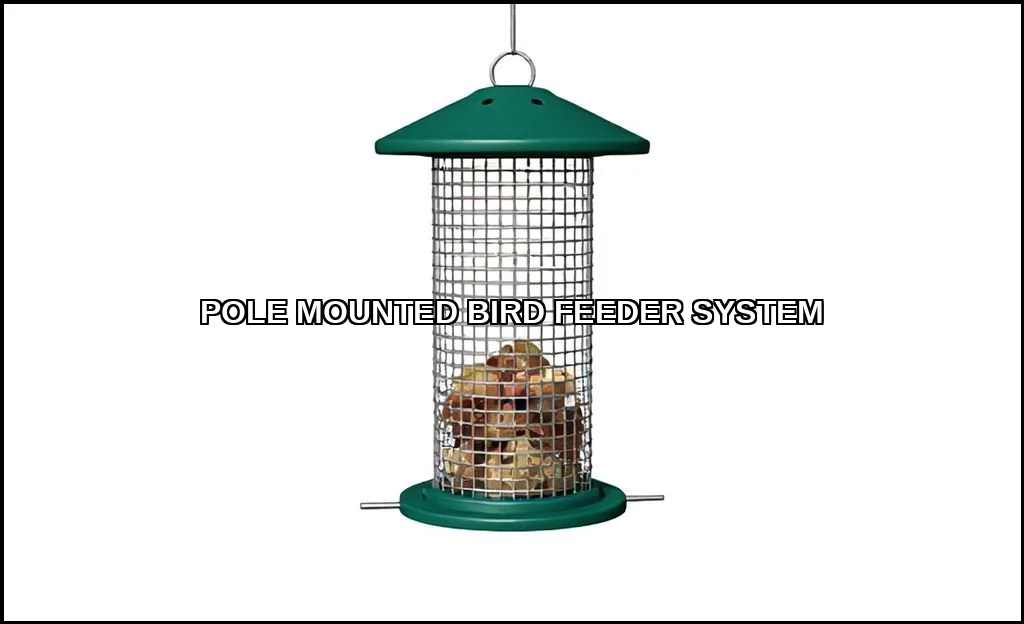
What is a Pole Mounted Bird Feeder System?
At its core, it’s a modular wildlife feeding station. The system typically includes a primary pole, a method of installation (like a ground stake or anchor plate), and several hanging arms or hooks. The real magic lies in the accessories. You can add specialized baffles, seed trays, and even suet cages to create a multi-menu restaurant for birds.
This approach solves common problems. A single hanging feeder is vulnerable. A proper bird feeder pole system elevates the food, deters pests, and organizes your space. It’s the difference between a snack stand and a full-service station. When planning your bird feeding pole setup, consider your local wildlife. Are raccoons a nightly threat? Are invasive species like European Starlings dominating your current feeder? A pole system is your first line of defense.
Key Benefits Over Traditional Feeders
Why go through the effort of installing a pole? The advantages are clear, especially when you compare a pole mounted bird feeder vs hanging feeder directly.
Superior Squirrel and Pest Resistance
This is the biggest draw. A well-designed system uses physics against acrobatic pests. A smooth, wide-diameter squirrel baffle placed correctly on the pole creates an impassable barrier. Brands like Brome have built their reputation on this, but the principle applies to any quality setup. It’s far more effective than greasing a pole or using spicy seed (which can affect birds, too).
Enhanced Durability and Stability
Flimsy shepherd’s hooks bend in the wind. A heavy duty bird feeder pole, often made from powder-coated steel, stands firm. This weather-resistant construction protects your investment from rain, snow, and UV damage season after season. It’s built to last, unlike many decorative but fragile alternatives.
Attract a Wider Variety of Birds
With multiple stations, you can cater to different species. Offer sunflower chips for cardinals, nyjer for finches, and suet for woodpeckersall on one pole. This turns your yard into a biodiversity hotspot. For targeting specific visitors, you might look for the best pole mounted bird feeder for cardinals, which often involves a large tray or hopper they can perch on comfortably.
Organized and Clean Feeding Area
Consolidating feeders to one pole mount bird feeder hub keeps seed shells and debris in a contained area. It’s easier to clean underneath one pole than scattered across your yard. This simple organization helps prevent mold and discourages unwanted rodents.
Installation Guide: Step-by-Step Setup
Wondering how to install a pole mounted bird feeder system? It’s simpler than you think. A good bird feeder pole kit will include most of what you need. Heres a reliable method.
- Choose Your Location Wisely. Place it about 10-12 feet from trees or structures squirrels can jump from. Ensure you have a clear view for enjoyment! Check local ordinances; some areas have regulations about feeding wildlife to avoid attracting bears or creating nuisance conditions.
- Prepare the Ground. For a ground stake system, find soft soil. Drive the stake in at least 18 inches for stability. For harder ground, use a drive-in anchor or a concrete base for permanent installations.
- Assemble the Pole. Screw together the pole sections. Many systems offer adjustable height, which is fantastic for fine-tuning. Start higher to deter pests and lower for easier refilling.
- Install the Baffle. This is critical. Slide the squirrel baffle onto the pole before you erect it. Position it 4-5 feet above the ground and secure it according to instructions. It must be loose enough to spin or tilt if a squirrel grabs it.
- Erect the Pole. Have a helper hold it straight while you secure the base. Fill any hole around a ground stake with soil and tamp it down firmly.
- Add Feeders and Accessories. Attach your hanging arms and hook on your feeders. Distribute weight evenly. The best birdhouses with monitoring tech can be placed nearby to create a complete habitat hub.
Top Features to Look For When Buying
Not all poles are created equal. To build a lasting wildlife feeding station, focus on these components.
- Pole Material and Gauge: Seek out powder-coated steel or thick-walled aluminum. A thinner gauge will wobble and bend. The coating prevents rust and makes cleaning easier.
- True Squirrel Baffle Design: The baffle is the MVP. It should be wide (at least 18 inches), smooth, and mounted correctly. Dome-shaped or torpedo styles are most effective. Some top-tier brands like Droll Yankees and Aspects engineer their baffles with precise angles.
- Adjustability and Modularity: An adjustable bird feeder pole lets you adapt. Can you add pole extensions later? Are the arms removable or swiveling? This flexibility is key for a growing setup.
- Base Security: A flimsy base is a failure point. Look for a robust ground stake, anchor plate, or option for concrete footing. Stability is non-negotiable in windy weather.
- Hardware Quality: Stainless steel or coated screws and bolts won’t rust and seize up. This matters for long-term maintenance and durability in weather.
Consider the species you want to attract. A pole mounted bird feeder system for large birds like Blue Jays or Mourning Doves will need sturdy arms and larger platform feeders. The pole itself must handle the extra weight and activity.
Maintenance Tips and Best Practices
A clean station is a healthy station. This isn’t just about aesthetics; it’s vital for preventing disease spread. Regular cleaning is as important as the food you offer, something highlighted by experts when discussing how disease does affect birds at communal sites.
Regular Cleaning Schedule
Empty and scrub feeders with a mild bleach solution (1 part bleach to 9 parts water) every two weeks, or weekly in humid weather. Rinse thoroughly and dry before refilling. Don’t forget the seed trays and the pole itself where debris accumulates.
Managing Seed and Waste
Use high-quality seed to reduce waste-filled “filler” that just ends up on the ground. Consider a seed tray attachment to catch hulls. Rake the area under the pole regularly to prevent mold and discourage rodents.
Seasonal Adjustments and Storage
Your adjustable height feature is useful here. Lower the pole slightly in icy conditions for safer refilling. In off-seasons, you can take down feeders, but leaving the pole is fine. Give all components a deep clean before storing them.
Ethical Feeding and Wildlife Impact
Be a responsible host. Follow the authority guide on feeder placement and hygiene to minimize window strikes and disease. Think about the impact on native vs. invasive bird species. If you notice invasive birds dominating, switching seed types (e.g., from mixed seed to safflower) can help favor natives like cardinals and chickadees.
A pole mounted system is more than hardware. It’s a commitment to creating a safe, sustainable, and captivating portal to the natural world right outside your door. It gives you controlover pests, over the menu, and over the viewing experience. Start with a solid pole, a reliable baffle, and a quality feeder. Observe, adjust, and enjoy the daily drama and beauty it brings. Your backyard will thank you.
