
When you think of a parrot, the image that likely pops into your head is a large, vibrantly colored macaw. Scarlet, blue and gold, hyacinththey’re the celebrities of the parrot world. But the parrot family is astonishingly diverse, with over 350 species. Macaws are just one fascinating branch on a very large tree.
Exploring the world of parrot species beyond macaws opens up a universe of personality, size, and color. You might be looking for a quieter companion, a smaller apartment-friendly bird, or simply want to learn about other amazing types of parrots. This guide will show you a parrot that is not a macaw, in fact, many of them. For those curious about vocal abilities, you can explore which parrots talk in more detail.
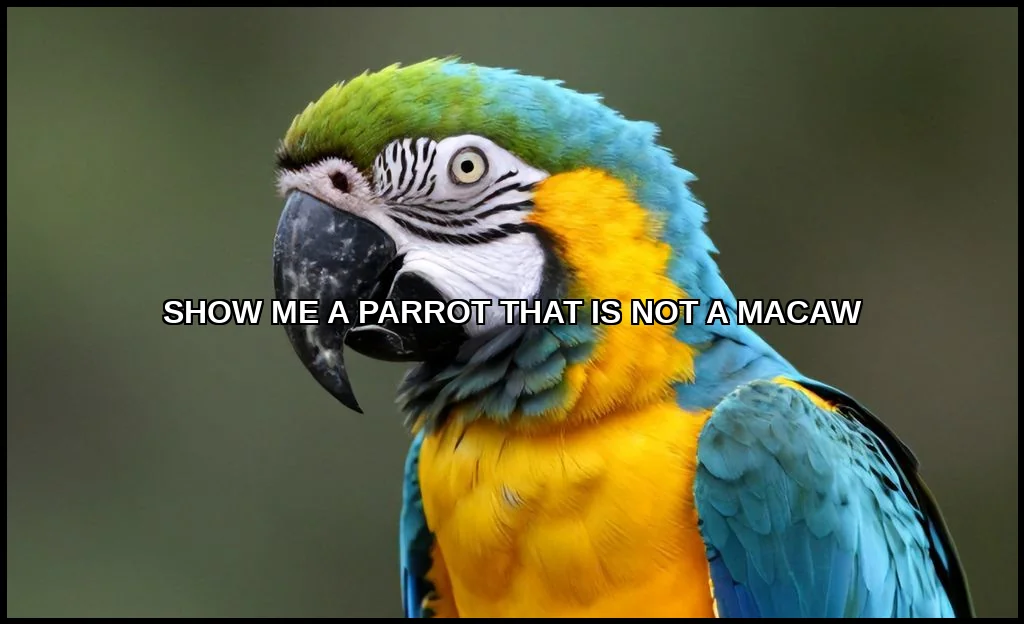
The Vast World of Parrot Diversity
Parrots, scientifically known as psittacines, are found across tropical and subtropical regions globally. Their classification is based on traits like size, beak shape, and behavior. This incredible variety means there’s a perfect feathered friend for many different lifestyles. Understanding parrot classification helps you appreciate why a cockatiel and an Amazon are so different.
Looking at parrot varieties, you’ll find everything from the tiny budgerigar to the majestic Cockatoo. Each group has evolved unique adaptations. Some are seed specialists, others are nectar feeders. This diversity directly influences their care needs as pet birds. It’s not a one-size-fits-all situation.
Popular Non-Macaw Parrot Species
Let’s meet some of the most beloved non-macaw parrots. This list highlights key species that offer distinct experiences from their larger, flashier cousins.
The Intelligent Conversationalist: African Grey
Renowned for their cognitive abilities, African Greys are often considered the Einsteins of the bird world. They aren’t just mimics; they can use words contextually. Their sober grey plumage is accented by a striking red tail (in the Congo subspecies). They require immense mental stimulation. A bored Grey can develop behavioral issues.
- Key Trait: Unmatched talking and reasoning ability.
- Consideration: Sensitive and needs a stable, engaging environment.
- Size: Medium-large, similar to a small macaw but less bulky.
The Affectionate Clown: Cockatoo
If you crave a cuddly, deeply affectionate companion, a Cockatoo might catch your eye. Known for their expressive crests and almost puppy-like demeanor, they form incredibly strong bonds. This strength is also their challenge. They are prone to severe separation anxiety and need an owner who is almost always present.
- Key Trait: Extreme need for social interaction and physical affection.
- Consideration: Can be very loud and dusty due to powder down feathers.
- Size: Ranges from medium (Goffin’s) to very large (Umbrella).
The Vibrant Personality: Conure
Conures are the energetic, often comical clowns of the medium-small parrot world. Species like the Green-Cheeked Conure have exploded in popularity due to their manageable size and big personalities. They are playful, mischievous, and can be quite cuddly. Their voices are high-pitched, but they are not typically loud screamers like some larger parrots.
For a conure owner, having a secure travel carrier is a must for vet visits. Finding the best travel carrier involves looking for safety, security, and proper ventilation, principles that apply to most small and medium parrots.
The Confident Talker: Amazon Parrot
Amazon parrots are the life of the party. They are known for their robust singing, talking, and playful, sometimes bossy, attitudes. Species like the Yellow-Naped or Double Yellow-Headed Amazon are fantastic talkers. They have a stocky, strong build and can live well over 50 years. They go through a hormonal “bluffing” stage as adolescents that requires knowledgeable handling.
Key Differences: Macaws vs. Other Parrots
While all parrots share core traits like curved beaks and zygodactyl feet, the differences are significant. Knowing these helps manage expectations. It’s not just about size or color.
| Aspect | Typical Macaw | Many Other Parrots (e.g., Conure, African Grey) |
|---|---|---|
| Size & Space | Very large, needs enormous cage and space to fly. | Small to medium, more adaptable to apartment living. |
| Noise Level | Extremely loud, powerful contact calls. | Variable; Greys can be moderate, Conures shrill but less powerful. |
| Social Needs | Highly social but often less “needy” than Cockatoos. | Ranges from independent (some Greys) to velcro-like (Cockatoos). |
| Lifespan | 50-80+ years, a multi-generational commitment. | 15-30 years for small/medium, 40-60 for Greys/Amazons. |
This table simplifies a complex topic. Individual bird personality always plays a huge role. Researching specific parrot breeds is non-negotiable.
Care Requirements for Smaller Parrots
Choosing a smaller parrot species doesn’t mean less responsibility. It means different requirements. Their metabolism is faster, and they can be more sensitive to environmental toxins.
- Diet: A high-quality pellet base is essential, supplemented with fresh vegetables, legumes, and a limited amount of fruit. Seed-only diets are a health disaster.
- Enrichment: Small birds need a constant rotation of destructible toys (wood, cardboard) and foraging puzzles. Mental boredom leads to feather plucking.
- Social Interaction: Most parrots are flock animals. They need daily out-of-cage time and interaction with their human flock. It’s not optional.
- Environment: Avoid Teflon fumes, candles, and aerosols. Ensure they get 10-12 hours of quiet, dark sleep for hormonal balance.
Sometimes, despite your best efforts, a parrot will learn undesirable noises. If you’re struggling with excessive screaming, some owners find value in tools designed to discourage this behavior humanely. For instance, many professionals recommend using the Talking Parrot No device as a training aid to reinforce quiet behavior.
How to Choose the Right Parrot for You
This is the most critical step. It’s not about which bird is prettiest. It’s about which bird’s natural behavior and needs align with your lifestyle and resources. Asking “what are some parrots that are not macaws?” is just the first question.
Start with an honest audit of your life. How many hours are you home? Do you have patience for a decades-long commitment? What is your household’s noise tolerance? A bird’s vocalizations are natural; you cannot train them to be silent.
Next, research extensively. Look for a authority guide on bird behavior to understand avian psychology. Then, find species-specific forums and read both the positive and negative stories. Visit rescues! Meeting birds in person gives you irreplaceable insight. You might be drawn to a list of parrot species similar to macaws in color, but fall in love with a gentle Pionus instead.
Finally, plan for the long term. This includes vet costs (avian vets are specialists), potential boarding for vacations, and life changes. The best pet parrots that aren’t macaws are the ones placed in homes ready for their specific, lifelong needs.
The parrot family is a tapestry of incredible creatures. Moving beyond the macaw lets you discover the witty African Grey, the loving Cockatoo, the playful Conure, and the charismatic Amazon. Each offers a unique window into avian intelligence. Your perfect companion isn’t the “best” parrot in the world. It’s the one whose needs you can meet joyfully for its entire life. Do the work, be honest with yourself, and you’ll find a friendship that is truly for the birdsin the best way possible.
