
You’re considering a small parrot that can talk. It’s a fascinating idea. A feathered friend who can greet you, mimic your laugh, or even ask for a snack. But with so many species and so much information, where do you start? This guide cuts through the noise. We’ll cover the best small talking birds, how they learn, and what you need to know to succeed.
Training a parrot to talk requires patience and the right environment. Consistency is key. You might find tools that help, like the HWD Voice-Activated Induction device, which can play training phrases on a loop when it detects sound. It’s one way to provide consistent repetition, a cornerstone of teaching mimicry. But your voice and interaction are irreplaceable.
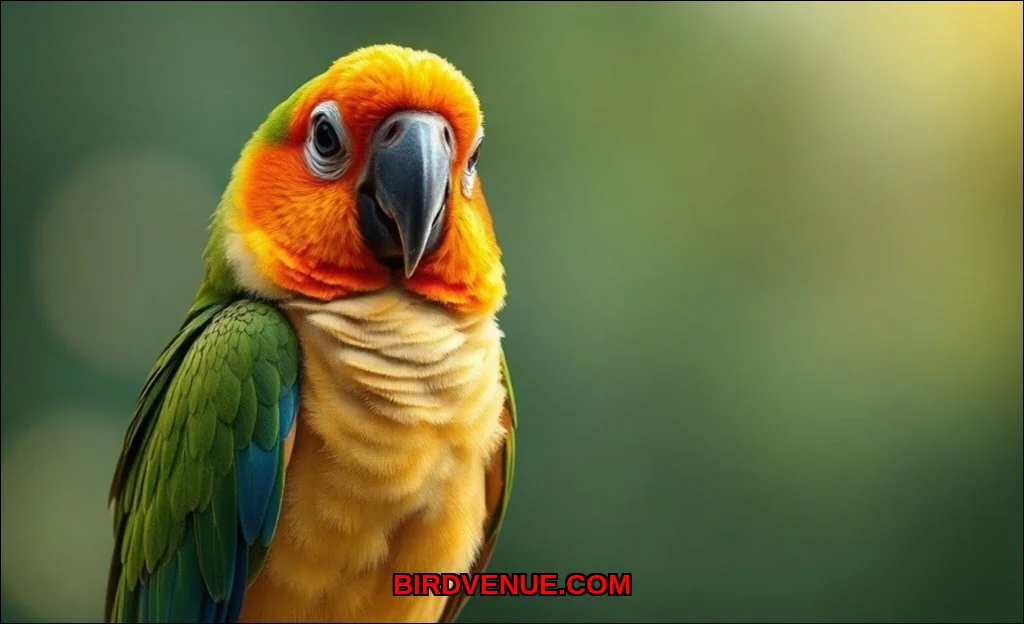
Top 5 Small Parrot Species That Can Talk
Not all small parrots are equal when it comes to speech. Some are prolific chatterboxes, while others might only master a few words. Your choice depends on your expectations for clarity, vocabulary size, and overall personality. Here are the leading contenders for the title of best small talking birds.
1. Budgerigar (Budgie/Parakeet)
Often called the beginner’s bird, the budgie is a powerhouse in a small package. They hold the world record for avian vocabulary. A well-trained budgie can learn hundreds of words. Their voice is high-pitched and sometimes mushy, but their capacity is undeniable. A common question is: are female budgies better talkers than males? Generally, males are more inclined to mimic speech, but talented females are certainly not unheard of.
2. Cockatiel
The cockatiel is beloved for its whistling. They are less likely to form clear words than budgies, but many do. They often mix whistles, phrases, and household sounds into a charming repertoire. They are incredibly social and affectionate, making them one of the easiest small parrots to train for companionship, even if their speech isn’t crystal clear.
3. Quaker Parrot (Monk Parakeet)
Don’t let the small size fool you. Quaker parrots are confident, intelligent, and excellent talkers. They often develop very clear speech and can use words in context. They are also known for their complex social behaviors and nest-building skills. Be sure to check local laws, as they are restricted in some areas due to their potential as an invasive species.
4. Green-cheeked Conure
While not as consistently clear as some on this list, many green-cheeks learn words and phrases. They are more prized for their clownish, cuddly personalities. They are quieter than many conures, making them a candidate for apartment-friendly talking birds. Speech from a conure is often a delightful bonus rather than the main event.
5. Indian Ringneck Parakeet
These birds are known for their exceptional speech clarity. Their voices are often remarkably human-like. They can build large vocabitudes and speak in clear, distinct tones. They tend to have more independent personalities and require an owner who understands parrot behavior. For a deeper dive into species like these, explore our guide on household parrots that can talk.
| Species | Speech Clarity | Vocabulary Potential | Noise Level | Approx. Lifespan |
|---|---|---|---|---|
| Budgerigar | Medium | Very High | Low-Medium | 7-15 years |
| Cockatiel | Low-Medium | Medium | Low | 15-25 years |
| Quaker Parrot | High | High | Medium-High | 20-30 years |
| Green-cheeked Conure | Low-Medium | Low-Medium | Low-Medium | 25-30 years |
| Indian Ringneck | Very High | High | Medium | 25-30 years |
How Parrots Learn to Talk: The Science Behind Mimicry
Parrots don’t talk like we do. They mimic. This mimicry is a complex form of social learning. In the wild, parrots use vocalizations to identify and bond with their flock. Your home becomes their flock. Your words become their social sounds.
Physically, parrots lack vocal cords. Instead, they use a unique organ called the syrinx at the base of their trachea. This allows for incredible control and the ability to produce two different sounds simultaneously. The science behind this ability is fascinating, and you can read more about why parrots talk on Britannica.
What’s often missing from the conversation? Flock dynamics. A parrot that feels integrated into your “flock” is more motivated to communicate. Isolation can hinder learning. Also, diet plays a role. A malnourished bird lacks the energy and cognitive focus for learning. High-quality pelleted diets from brands like Kaytee, ZuPreem, or Lafeber’s provide a solid nutritional foundation.
Step-by-Step Guide to Training Your Small Parrot
Wondering how to teach a small parrot to talk? It’s a marathon, not a sprint. Follow these steps to build a strong foundation.
Step 1: Build Trust First
Your bird must be comfortable with you. No training will work without trust. Spend weeks just being near the cage, talking softly, offering treats from your hand. Patience here pays massive dividends later.
Step 2: Start with Simple Words
Choose short, clear words with sharp consonants. “Hello,” “Hi,” or your bird’s name are perfect starters. Say the word enthusiastically every time you approach the cage or offer a favorite treat.
Step 3: Use Positive Reinforcement
This is the golden rule. The moment your bird makes any attempt at the soundeven a garbled squeakimmediately reward it. Use a tiny piece of a high-value treat, like millet or a nut piece. You’re marking the desired behavior.
Step 4: Keep Sessions Short & Fun
Five to ten minutes, once or twice a day. End on a positive note. You want your bird to associate talking time with your happy attention and tasty rewards. Forced, long sessions create resistance.
Step 5: Advance Gradually
Once one word is mastered, add another. You can eventually link words (“Step up”) or add phrases. Always reinforce older words occasionally so they aren’t forgotten. Consistency in your tone and context helps.
Care Considerations: Is a Talking Parrot Right for You?
The ability to talk is just one facet of parrot ownership. These are long-term, demanding companions. Let’s break down the real commitment.
Lifespan & Long-Term Commitment
Think about the lifespan of talking parrots. A budgie can live 15 years; a conure or ringneck can live 30+. This is a decades-long commitment. Your life will changecollege, moves, relationships, careers. Your parrot will still need you.
Essential Care Requirements
- Space: The cage must be the largest you can afford, with horizontal bars for climbing. It’s their home, not a prison.
- Diet: A base of formulated pellets, supplemented with fresh vegetables, fruits, and limited seeds. Clean water daily.
- Enrichment: Parrot Toys are non-negotiable. They prevent boredom and destructive behaviors. Rotate them weekly.
- Healthcare: Annual check-ups with an avian vet are critical. Birds hide illness until they are very sick. A vet fund is a must.
The Real Cost of Ownership
Looking for the cheapest small bird that talks? The initial purchase price is the smallest expense. Budget for:
- The large bird cage and play stand.
- High-quality food and endless toy replacements.
- Routine and emergency veterinary care.
- Potential boarding costs when you travel.
Can you provide this for 20+ years? That’s the real question. For a broader look at suitable species, our article on small parrots that can talk offers more detailed comparisons.
Pros and Cons: An Honest Look
Let’s be practical.
The Pros: Intelligent, interactive companionship. The joy of shared communication. A truly unique bond. They are hilarious, affectionate, and endlessly entertaining.
The Cons: Mess (feathers, food, droppings everywhere). Noise (even small birds can be loud). Destruction (they chew wood, wires, furniture). Time (they need hours of daily out-of-cage interaction).
So, what is the smallest parrot that can talk? The budgie wins on size and vocabulary. But the “best” bird is the one whose full range of needsnot just its talking abilityaligns with your lifestyle, budget, and capacity for care.
Choose the bird for the pet it is, not just the voice it might have. If you can meet its needs for a lifetime, you’ll gain a remarkable friend. The talking will just be one part of a much richer, noisier, and more rewarding story.

