Providing fresh water is one of the most impactful things you can do for your backyard birds. While seed feeders are common, a dedicated water source supports drinking, bathing, and preeningvital for feather health and temperature regulation. A stainless steel bird water feeder elevates this simple act into a durable, hygienic, and aesthetically pleasing cornerstone of your wildlife habitat.
These aren’t your average plastic dishes. Think of them as a permanent outdoor feeder, engineered to withstand the elements while offering a clean avian drinking station. For a reliable and popular option that embodies these principles, many bird enthusiasts start with the Perky-Pet Hanging Water station. Its straightforward design makes it a great entry point into providing consistent water.
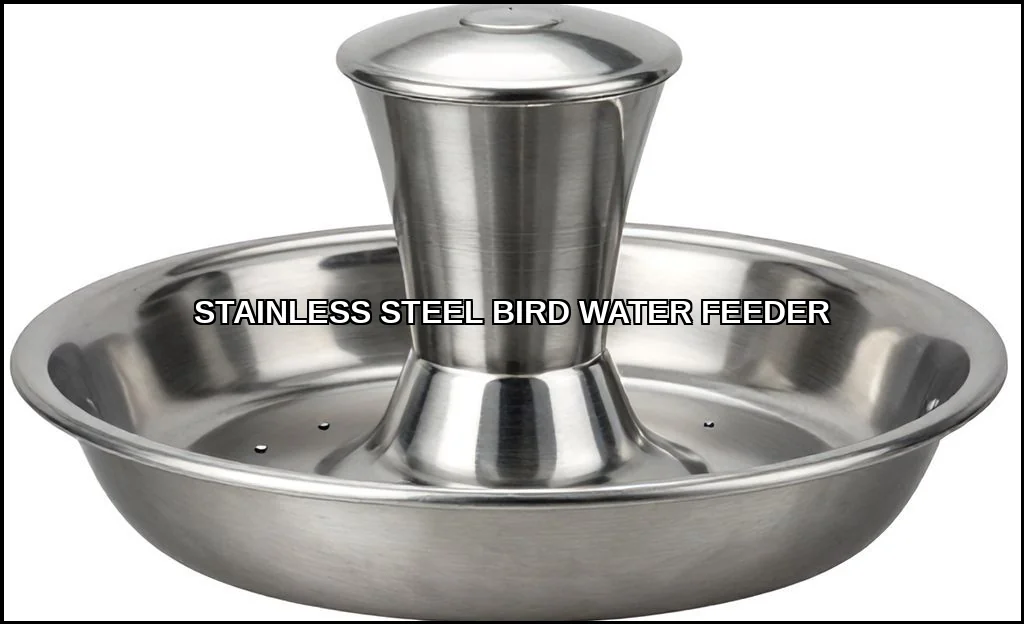
Why Stainless Steel is the Superior Choice
Material matters immensely for anything left outside year-round. Stainless steel offers a combination of benefits that plastic, ceramic, and even some other metals simply can’t match, making it a truly durable bird feeder.
Durability and Longevity
This is where stainless steel shines. It is inherently rust-resistant, a critical feature that prevents corrosion from constant water exposure and weather. Unlike painted metals that can chip or plastics that become brittle and fade in the sun, a high-quality stainless steel bird bath or waterer is built to last for decades. It shrugs off frost, summer heat, and the occasional knock without cracking.
Hygiene and Ease of Maintenance
Preventing disease is a top priority for responsible bird lovers. Stainless steel’s non-porous surface is the key. It doesn’t harbor bacteria, mold, or algae in microscopic scratches the way plastic can. This makes it profoundly easy to cleana quick scrub with a brush and a vinegar solution is often all it takes. A hygienic bird watering system protects the health of visiting songbirds, finches, and other species.
Aesthetic and Functional Design
Beyond pure function, these feeders serve as elegant outdoor garden decor. The sleek, modern look of polished stainless steel complements both contemporary and rustic gardens. Brands like Aspects and Droll Yankees often incorporate this material into designs that are as visually appealing as they are functional, blending seamlessly into your landscape.
Choosing Your Perfect Feeder: A Size and Feature Guide
Not all stainless steel bird water feeders are the same. Your choice depends on your space, local wildlife, and personal goals.
Consider the Form Factor
- Hanging Bird Feeders: Ideal for saving space and keeping water away from ground predators. Great for attracting perching birds like chickadees and finches.
- Pedestal Bird Baths: Offer a stable, ground-level station preferred by robins, jays, and larger birds for bathing. Look for models with textured bottoms for grip.
- Deck-Mounted Drippers or Bubblers: These moving water features are incredibly effective at attracting birds, especially hummingbirds. The sound and sparkle of water are irresistible.
Key Features to Look For
Pay attention to the details that enhance usability and effectiveness.
- Stainless Steel Grade: Opt for 304 or, for coastal areas with salt air, 316-grade stainless. These contain higher nickel and chromium content for superior corrosion resistance.
- Squirrel Proof Design: Look for smooth, sheer surfaces or integrated baffles that prevent squirrels from accessing and contaminating the water.
- Water Depth: Should be shallow (1-2 inches) with gradual slopes to accommodate both small and large birds safely.
| Feeder Type | Best For | Considerations |
|---|---|---|
| Hanging Bowl | Small spaces, songbirds | Needs a sturdy branch or hook; may require more frequent refills. |
| Pedestal Bath | Larger birds, garden centerpiece | Ensure stable footing on uneven ground; easier for predators to access. |
| Dripper/Bubbler Attachment | Maximum bird attraction, water conservation | Requires a water hookup or recirculating pump; higher initial investment. |
Installation, Placement, and Keeping It Clean
Where and how you set up your feeder determines its success and safety. This is where questions like best place to put a bird water feeder in garden are answered.
Strategic Placement for Safety and Visits
Location is everything. Place your feeder about 10-15 feet from dense shrubs or trees. This gives birds a quick escape route from predators like cats, but isn’t so close that ambushes are easy. Ensure it’s in a somewhat open area where birds can survey their surroundings. For heating elements in winter or solar fountains, proximity to a power source matters. Researching local bird species can help; for instance, if you want to attract ground-foraging birds, a low pedestal near a brush pile might work.
A Simple Maintenance Routine
Consistent cleaning is non-negotiable. Heres a simple routine:
- Empty the old water daily.
- Scrub the basin every 2-3 days with a stiff brush. Use a solution of one part white vinegar to nine parts water. Avoid harsh chemicals.
- Rinse thoroughly to remove all cleaning residue.
- Refill with fresh, cool water.
This routine directly addresses how to clean a stainless steel bird water feeder and prevents the buildup of harmful pathogens. Its a critical practice, especially with concerns about diseases like avian flu, which you can learn more about in our guide on how the bird flu affects local populations.
Water Conservation Tips
Being a good steward means conserving water. Use a watering can to refill instead of a hose for better control. In dry climates, consider a recirculating pump system that filters and reuses water. Position the feeder in partial shade to reduce evaporation. Every little bit helps sustain your mini wildlife habitat.
Your Questions on Birds and Feeders Answered
Do hummingbirds use stainless steel water feeders?
Yes, but with a caveat. Hummingbirds are primarily attracted to moving water. A still stainless steel bowl may not catch their interest. However, add a solar-powered fountain head or a mister/dripper to that same stainless basin, and youll create a hummingbird magnet. The key is the motion and sparkle, not just the material.
How does stainless steel compare to plastic for durability?
The stainless steel vs plastic bird water feeder durability debate isn’t close. Plastic fades, becomes brittle, scratches easily (harboring bacteria), and can warp. Stainless steel maintains its integrity and easy-to-clean surface indefinitely. Its a one-time investment versus a recurring replacement cost.
How can I attract more specific birds?
Different species have different preferences. Robins and jays love ground-level or pedestal baths for splashing. Songbirds like finches and sparrows prefer hanging or elevated stations. Adding a water wiggler or dripper attracts the widest variety. Pair your water source with appropriate food and shelterlike a well-placed birdhouse with a camera for observationto create a complete sanctuary.
Troubleshooting Common Issues
Green Algae: This means too much sun. Move the feeder to a shadier spot and clean more frequently.
No Visitors: Be patient. It can take weeks for birds to discover a new resource. Adding a water mover or sound can speed this up.
Frozen Water in Winter: Use a specially designed birdbath heater or a solar-safe heated base. Never use antifreeze or chemicals.
Choosing a stainless steel bird water feeder is a decision that pays off for years. You invest in a product that won’t need replacing, that safeguards bird health through superior hygiene, and that adds a timeless element to your garden. Its more than a product; its a permanent commitment to supporting your local ecosystem. Start with a simple model, follow the best practices for placement and cleaning, and enjoy the vibrant life it brings to your window.
