
Picture a parrot. You probably imagine a vibrant, intelligent bird in a lush, green jungle. That classic image isn’t wrong, but it’s just the beginning. A parrot’s habitat is far more than a simple backdrop; it’s a complex, interconnected system that defines their survival, behavior, and very essence.
From the dense rainforests of the Amazon to the arid savannas of Australia, these birds have adapted to a stunning array of environments. Understanding their tropical and subtropical regions origins isn’t just triviait’s the key to their conservation and, for pet owners, their well-being in our homes. For those looking to enrich a pet parrot’s life, products designed with their natural instincts in mind can be invaluable. For instance, many avian enthusiasts find that the Prevue Pet Products line offers sturdy cages and playstands that help mimic the complexity of a wild environment, providing essential mental and physical stimulation.
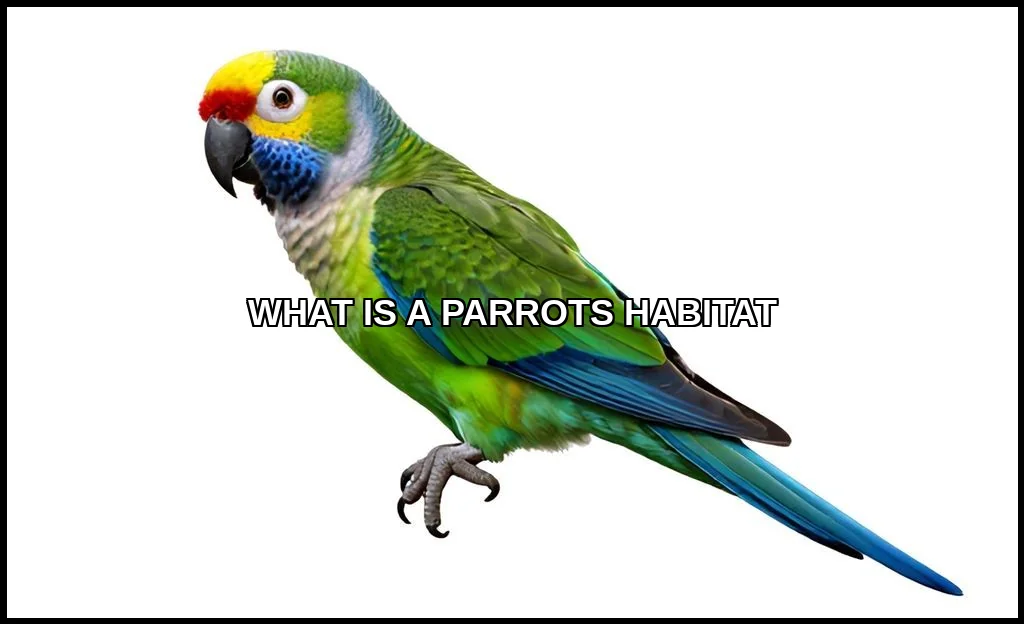
Where in the World Do Parrots Live?
The global distribution of parrots is a map painted in sunlight. Their range is almost exclusively tied to warm climates, with the greatest diversity found in the Southern Hemisphere. You won’t find native parrots in the frozen tundra or temperate European forests. Their world is one of warmth and abundance.
Major Habitat Types & Geographic Hotspots
While we group them as “parrots,” over 350 species have carved out niches in specific ecosystems. Their wild parrot range is vast but specific.
- Rainforests (Tropical & Subtropical): This is the quintessential rainforest habitat. Think macaws, Amazons, and African Greys. The multi-layered structure, from forest floor to emergent trees, offers everything: food, nesting sites, and protection. The dense canopy layer is where most activity occursa bustling avian metropolis high above the ground.
- Woodlands & Savannas: Species like many cockatoos and Australia’s Galah thrive in more open, drier landscapes. These areas have scattered trees for nesting and roosting, with grasslands providing seeds and grains. The climate here can be more extreme, with pronounced wet and dry seasons.
- Coastal & Island Habitats: Some parrots, like the endangered Kakapo of New Zealand or certain lory species, evolved in isolation on islands. These native parrot environments can be fragile and highly specialized, making the birds particularly vulnerable to change.
So, where do macaws live in the rainforest? Primarily in the canopy and along river edges (called “vrzea” forests), where palm nuts and clay licks are found. And what is the natural habitat of an African grey parrot? It’s the dense lowland rainforests and bordering savannas of West and Central Africa.
The Pillars of a Parrot’s World: Climate, Food, Shelter
A habitat works when key elements align. For parrots, three pillars are non-negotiable: the right parrot climate, a reliable parrot diet in the wild, and secure sites for parrot nesting habits.
Climate & Geography: The Rules of Warmth
Parrots are sun-seekers. Their physiology is built for environments where freezing temperatures are rare. This doesn’t mean uniformly hot; many high-altitude habitats are cool. But frost is typically a death sentence. The parrot climate is defined by stabilityconsistent warmth that supports year-round plant growth and food availability.
Diet & Food Sources: The Foraging Life
A wild parrot’s menu is spectacularly diverse and seasonal. Their parrot diet in the wild is a full-time job of foraging.
- Fruits & Nuts: The primary calorie source for many species. Parrots like macaws have incredibly powerful beaks evolved to crack hard-shelled nuts inaccessible to other animals.
- Seeds & Grains: A staple for grass parakeets and cockatiels in arid regions.
- Nectar & Pollen: Lorikeets and lories have brush-tipped tongues specifically for this sugary diet.
- Vegetation: Leaves, buds, flowers, and even bark provide essential nutrients and variety.
This varied diet is a huge clue for pet nutrition. A seed-only diet is like feeding a human nothing but crackers.
Shelter & Nesting: High-Rise Living
Safety is paramount. Most parrots are cavity nesters, relying on tree hollows formed by decay or woodpeckers. These scarce resources are fiercely contested and can limit population growth. The parrot nesting habits of choosing secure, elevated cavities protects vulnerable chicks from predators. This instinct is why pet parrots often seek out dark, enclosed spaces in your home.
Under Threat: Habitat Loss and Conservation Status
The vibrant avian ecosystem parrots depend on is shrinking at an alarming rate. For most species, the single greatest threat isn’t the pet tradeit’s the destruction of their home.
The Primary Dangers
Deforestation for agriculture, logging, and development is the bulldozer clearing their world. It’s not just about losing trees; it’s about fragmenting populations, eliminating food sources, and removing nest sites. Climate change exacerbates this, altering weather patterns and food cycles. An official source for tracking bird populations and ranges, including parrots, is the Cornell Lab of Ornithology’s eBird database.
Conservation in Action
The parrot conservation status of many species is now “Endangered” or “Critically Endangered.” But there’s hope. Successful programs focus on habitat protection, creating artificial nest boxes to boost breeding, and community education. Ecotourism that values live birds in the wild over pets in cages is a powerful economic incentive for conservation. Every preserved acre of tropical regions forest is a victory.
Bringing the Wild Home: Pet Parrot Environment
This is where knowledge becomes practice. How to recreate a parrot’s natural habitat in captivity is the central challenge of ethical pet ownership. You can’t replicate the Amazon, but you can honor its principles.
Key Principles for a Healthy Captive Habitat
- Space & Complexity: Think vertical. Parrots fly across and climb through a complex 3D space. A tall, wide cage with plenty of perches at different levels and textures is fundamental. It’s about quality of space, not just square inches.
- Foraging & Mental Stimulation: A bowl of food is profoundly unnatural. Hide food, use puzzle feeders, and scatter treats to encourage natural foraging behavior. This fights boredom and obesity. It’s what makes a species like the African Grey so engagingthey need to work for it.
- Dietary Diversity: Mimic the variety of the wild. A base of high-quality pellets, supplemented with fresh vegetables, some fruit, nuts, and healthy grains. Research your specific species’ needs. What climate do cockatoos need to survive in your home? A stable, draft-free environment with appropriate humidity, not just a specific temperature.
- Social & Behavioral Needs: Parrots are flock animals. Your interaction becomes their social life. They need engagement, training, and out-of-cage time. Neglecting this is like keeping a dolphin in a bathtub. Speaking of engaging species, many people wonder which parrots are the most vocal and interactive companions.
Regular check-ups with an avian veterinarian are non-negotiable. They catch issues stemming from dietary or environmental shortcomings that you might miss. And when you need to travel with your bird, choosing the right carrier is part of responsible care. For smaller species like Meyers, finding the best carrier for safety and comfort reduces stress immensely.
A parrot’s habitat is a story of adaptation and interconnection. In the wild, it’s a delicate balance of climate, food, and shelter within a specific parrot species habitat. In our homes, it’s our responsibility to translate those wild needs into a captive environment that respects their intelligence and instincts. By understanding the roots of their behaviorthe parrot natural environmentwe become better stewards, whether supporting global conservation efforts or simply ensuring the bright-eyed bird on our perch lives a full, engaged life. That’s the true goal.
