
I’ve spent years with birds that talk. Not just as a pet owner, but as someone genuinely fascinated by their ability to connect through sound. My living room has been a testing ground for vocal learning and speech clarity. I’ve listened, trained, and compared.
This isn’t about a dry list of species. It’s about the real, sometimes messy, experience of living with a creature that can hold up its end of a conversation. And let’s be honestbefore you bring a living, breathing sound system home, you need to know what you’re getting into. For anyone starting out, I often suggest a simple, non-living tool to practice the rhythms of interaction: the Talking Parrot No. It’s a fun way to get a feel for the back-and-forth without the 30-year commitment.
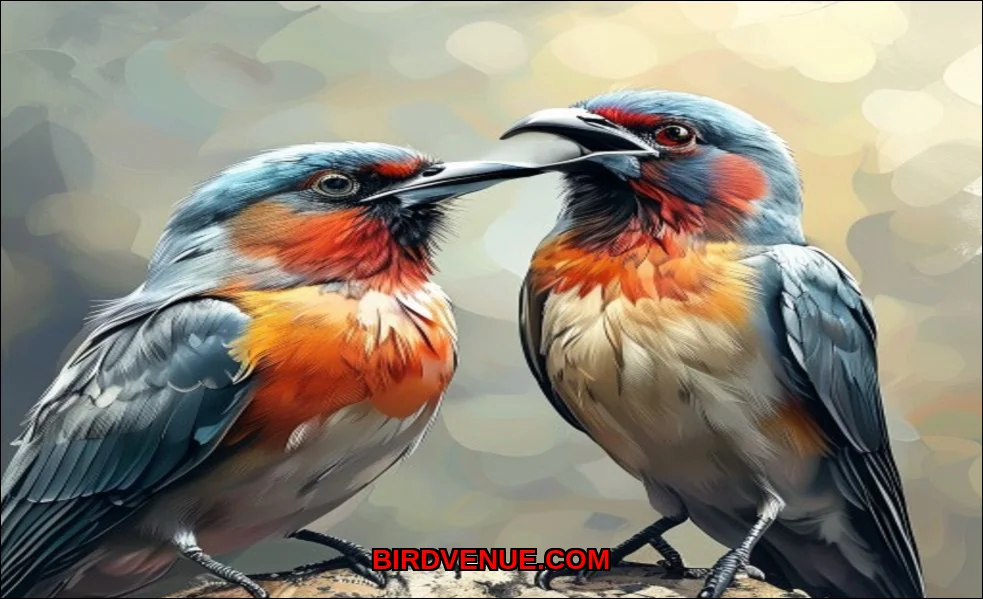
My Experience Testing Different Talking Birds
I’ve hand-fed chicks and adopted older rescues. The difference in their potential to mimic speech is staggering. An African Grey I worked with could contextualize words, while a brilliant budgerigar I knew had a vocabulary of hundreds of words but sounded like a tiny, excited robot. Personality is everything. I’ve met silent Amazons and chatty cockatiels that defied every guidebook.
One key insight most lists miss? Individual variation outweighs species generalization. Age matters immensely for vocal learning; a young bird is a sponge, while an older one may have set habits. Gender can play a role in some species, like budgerigars, where males are often more prolific talkers. You’re not choosing a model from a factory. You’re inviting an individual with its own quirks and timeline.
Top 5 Best Talkers: A Side-by-Side Comparison
Based on my hands-on time, heres how the top contenders stack up. I’m judging on speech clarity, vocabulary potential, and the unsettling accuracy of their mimicry.
| Bird | Speech Clarity & Intelligence | My Personal Experience | Best For |
|---|---|---|---|
| African Grey | Uncanny. Words are clear, tone-perfect, and often used appropriately. This is cognitive mimicry. | My Grey, Leo, doesn’t just say “hello.” He says “hello?” when the phone rings in a perfect imitation of my wife’s voice. It’s intelligent, not just repetitive. | Serious, patient owners who want a truly interactive companion. Demands mental stimulation. |
| Amazon Parrot | Loud, clear, and wonderfully theatrical. Excellent speech clarity with a playful, sometimes operatic, delivery. | My Yellow-naped Amazon, Mango, belts out “Hello, darling!” with the gusto of a stage actor. His voice is crystal clear, but his volume isn’t for apartment living. | Outgoing owners who enjoy a boisterous, engaging bird with a big personality. |
| Budgerigar (Budgie) | Surprisingly large vocabulary, but clarity is muffled. Fast, high-pitched chatter. A testament to vocal learning in a tiny package. | I recorded a budgie named Pip who knew over 200 phrases. You had to listen closely, but the sheer volume of words was astounding for such a small creature. | Beginners or those with space constraints. They offer a real talking experience without the size or cost of larger parrots. |
| Indian Ringneck | Remarkably clear, human-like speech. Often has a sweet, slightly nasal tone. Can master long sentences. | A friend’s Ringneck, Sage, recites entire nursery rhymes with disturbing clarity. The enunciation is often better than some Amazons I’ve heard. | Someone who prioritizes clear diction and doesn’t mind a bird that can be independent-minded. |
| Cockatoo | Clarity varies. They excel at sounds: creaking doors, laughter, coughs. Emotional mimicry over precise vocabulary. | My time with a Moluccan Cockatoo was less about words and more about sounds. She perfectly replicated the sound of my weeping kettle and my sigh of frustration. It was hilarious and eerie. | Owners seeking an emotionally demonstrative, cuddly bird where speech is a bonus, not the main goal. |
For a deeper dive into the champions of avian speech, my findings align closely with this detailed ranking of the best talking birds you can own.
What Makes Some Birds Better Talkers Than Others?
It’s not magic. It’s anatomy and neurology. Birds like parrots have a syrinxa vocal organ more complex than our larynxallowing incredible sound control. But the real key is brain structure. Species adept at mimicry have strong neural connections between auditory input and motor output. They hear, process, and replicate.
Think of it as hardware versus software. The hardware is the syrinx and brain pathways (vocal learning capacity). The software is the social environment. A solitary bird with no flock to imitate has little reason to learn your language. You become its flock. Your speech becomes its social glue. This biological drive is what defines a true talking bird in the scientific sense.
Training Tips That Actually Worked for Me
Forget forcing words. It’s about creating a motivated learner. Heres what delivered real results in my home.
- Start with bonding, not words. A bird that trusts you is a bird that wants to interact. Spend weeks just being together before formal training.
- Capitalize on mood. I found the best time was when they were slightly hungry (before breakfast) or in a calm, attentive state. A distracted bird learns nothing.
- Use clear, repetitive, and emotional phrases. “Good morning!” said with consistent enthusiasm works better than a flat “hello.” They pick up on the emotional charge.
- Pair words with actions and rewards. Saying “step up” every time they climb onto your hand, then offering a treat, creates a powerful association.
- Be patient and shut out the noise. Train in a quiet room. Turn off the TV. This focused, one-on-one time is irreplaceable. Celebrate the tiny, garbled attemptsthey’re breakthroughs.
Choosing Your Perfect Talking Companion
So, which parrot species talks the most clearly? Hands down, the African Grey. But clarity isn’t the only metric. You must match the bird’s entire being to your life. This is my practical framework for choosing.
- Audit your lifestyle. An African Grey needs hours of interaction. A budgie is more forgiving. Be brutally honest about your daily availability.
- Listen to recordings. Before deciding on an African Grey vs Amazon parrot talking comparison, go online and listen to both. The Grey’s thoughtful clarity is different from the Amazon’s bold proclamations. Which voice do you want in your home for decades?
- Meet individuals, not species. Visit breeders or rescues. That quiet Congo Grey in the corner might be observing everything, waiting to speak. Let the bird choose you, too.
- Think long-term. This is a 15- to 60-year commitment. Your life will change. Is a talking bird a flexible enough companion for those changes?
If you’re still weighing the top contenders, my detailed breakdown on which parrot is the best talker for different lifestyles can help clarify that final decision.
The Bottom Line
The “best” talking bird is a myth. The right one is real. It’s the intersection of your patience, their innate ability, and a shared willingness to communicate. I’ve loved the brilliant, contextual speech of my Greys. But I’ve also been endlessly charmed by the dedicated, fast-paced muttering of a budgie. Success isn’t measured in vocabulary size alone. It’s in that first, clear word that surprises you from the other room. It’s the shared joke. Choose for partnership, not just performance. Your perfect feathered conversationalist is out there.
