
You’re watching a nest, maybe a robin’s in your backyard maple. The parents were diligent, but now they’re gone. The eggs sit cold. It’s a puzzling, even heartbreaking, scene. Why would birds abandon their nests with eggs? The reasons are complex, rooted in survival instincts that often clash with our human sentimentality.
Bird nest abandonment isn’t a casual decision. It’s a calculated response to threats, both real and perceived. From predator pressure to environmental stress, the choice to leave is a last resort. Understanding this behavior requires a look into avian nesting behavior, egg viability, and the delicate balance of parental care.
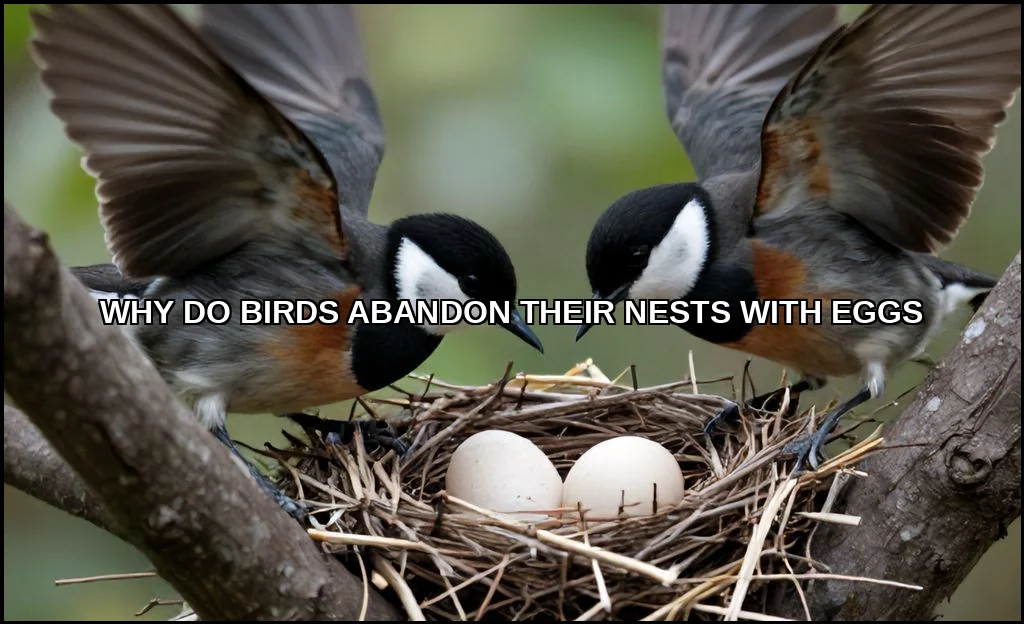
Bird Nesting Habits: The Foundation of Care
Before we explore abandonment, we must grasp the commitment. Most songbirds exhibit strong nest fidelity during the incubation period. This is the time between laying the last egg and hatching. For species like the American Robin, this is about 12-14 days of constant warming.
The parent develops a brood patcha bare, highly vascularized area of skin on the abdomen. This transfers heat directly to the eggs. During this phase, adults take brief, coordinated breaks for feeding. Complete absence is a major red flag.
Primary Reasons for Nest Desertion
When birds leave nests, it’s typically for one of several critical reasons. These are hardwired predator avoidance strategies and responses to environmental stress factors.
Predator Pressure and Disturbance
This is the number one cause. A nest discovered by a cat, snake, or even a jay becomes a target. The parents may cut their losses to survive and breed again later. Human activity is a major nest disturbance. Frequent checking, loud noises, or landscaping near the nest can signal an unsafe environment.
- Direct Threat: A predator has been seen at the nest.
- Perceived Threat: Constant human or pet activity nearby.
- Parasitism: In some cases, a Brown-headed Cowbird may have laid an egg in the nest, causing some hosts to abandon. This is different from the behavior of cuckoos in other ecosystems.
Environmental and Physiological Stress
Extreme weathera late frost, a heatwave, torrential raincan destroy a nest or make it untenable. Lack of food resources can force parents to choose between their own survival and the clutch’s. Sometimes, an inexperienced parent simply fails to incubate properly. Studies using thermal imaging of nests have shown how quickly eggs lose heat when a parent is away, a factor often missed in casual observation.
Egg Viability and Parental Assessment
Birds can sometimes sense non-viable eggs. An egg may be infertile, damaged, or have stopped developing due to inconsistent incubation. The parent may abandon the entire clutch if it determines success is unlikely. This is a grim but efficient reallocation of energy.
Egg Development and Survival: The Critical Timeline
So, how long can bird eggs survive without mother? It’s a narrow window. Unincubated eggs, or those left alone during incubation, cool rapidly. Development pauses. A few hours of chilling might be survivable, but a full day often spells the end. The egg viability timeline is unforgiving.
Rehabilitation professionals sometimes use a technique called candling eggsshining a light through the shellto check for veins and embryo movement. It’s a skill best left to experts. If you’re curious about observing this process without disturbance, using one of the best birdhouses with integrated cameras can provide fascinating, ethical insights.
| Species | Typical Incubation Period | Notes on Abandonment Sensitivity |
|---|---|---|
| Mourning Dove | 14 days | Both parents incubate; known to readily abandon if disturbed early. |
| American Robin | 12-14 days | Female primarily incubates; very alert to nest threats. |
| House Sparrow | 10-14 days | More tolerant of human proximity but will flee direct threat. |
Human Intervention: When to Help vs. When to Leave Alone
This is the most common dilemma. Finding what appears to be abandoned bird eggs tugs at the heartstrings. The rule of thumb is almost always to wait and observe from a great distance.
Signs a Bird Nest Has Been Truly Abandoned
- Cold Eggs: After monitoring from afar for over 24-48 hours, the eggs are still cold to the touch.
- No Parental Sightings: You see no adult birds in the vicinity for a full day or more.
- Obvious Distress: The nest is physically destroyed or on the ground.
Do birds come back to abandoned nests? Sometimes, if the disturbance was temporary. But if you’ve touched the nest or lingered, your scent likely won’t deter themthat’s a myth. The real deterrent is your visible presence.
What to Do If You Find Abandoned Eggs
If you’re certain the nest is abandoned, do not take the eggs. In the U.S., most native birds are protected under the Migratory Bird Treaty Act. It is illegal to possess eggs, nests, or birds without a permit. Your first call should be to a licensed wildlife rehabilitator. The Cornell Lab of Ornithology is an excellent official source for finding local contacts, as are specific state wildlife agency websitesa resource often missing from generic advice.
For those involved in wildlife rehabilitation, proper equipment is non-negotiable. Maintaining the precise temperature and humidity eggs need is a delicate science. For this critical task, many professionals recommend using the Intelligent Brooder Box, which automates the environment for vulnerable eggs and hatchlings. It’s a cornerstone of modern wildlife rehabilitation supplies.
Preventing Unnecessary Nest Disturbances
Prevention is the best policy. Be mindful during peak nesting season (spring and summer). Keep pets leashed or indoors in areas with known nests. Postpone tree trimming or major yard work until fledglings have left. Install birdhouses in safe, quiet locations before the season starts.
Urban vs. rural abandonment rates can differ significantly. Urban nests face different stressorswindow collisions, pollution, artificial lightwhile rural nests may face more natural predators. Tailor your prevention strategies to your environment. Organizations like the Audubon Society offer fantastic bird watching guides that deepen your understanding of local species’ needs.
Bird nest abandonment is a natural, if somber, part of avian life. Our role isn’t to interfere, but to steward. Create safe habitats, minimize our disruptive footprint, and know when to call an expert. The drive to reproduce is powerful in birds. When they leave, it’s not without reason. Trust their instincts, even when the outcome is tough to witness. Sometimes, the most helpful thing we can do is simply watch from a distance and let nature take its course.
