
I remember the first morning my African Grey, Mango, didn’t greet me. The silence was jarring. For years, his cheerful “Good morning!” was my alarm clock. Then, nothing. I panicked. Was he sick? Angry with me? I started digging, testing changes, and talking to experts. What I learned wasn’t just about a parrot who stopped talking suddenly. It was a crash course in their complex world.
Through trial and error, I identified patterns. Some reasons were medical, others purely behavioral. The key was observation. I compared his quiet phases to times he was chatty, noting every detail. This hands-on approach revealed truths no simple list could. Let me share what I found, so you can understand why your parrot is quiet and what to do.
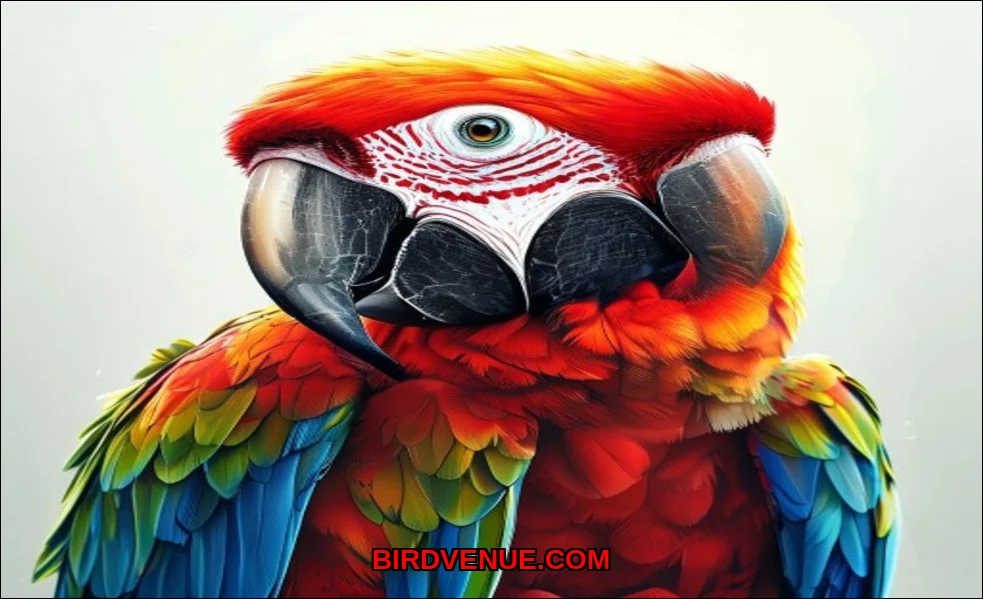
My Parrot Stopped Talking: Here’s What I Learned From Experience
When Mango went silent, my first instinct was to coax him. I repeated his old phrases, offered treats for a soundanything. Big mistake. This pressure often backfires. In my experience, a sudden stop in vocalization is a signal. It’s their way of communicating a problem when words fail. I learned to stop asking “why won’t you talk?” and start asking “what are you telling me?” The shift in perspective changed everything. For species known for their longevity, like parrots, these behavioral shifts over a lifetime are profound. You can learn more about why parrots live such long lives and how their care needs evolve.
The 5 Most Common Reasons Parrots Go Silent (And How to Spot Them)
Based on my observations and vet consultations, silence typically falls into five categories. Spotting the difference requires a detective’s eye.
1. Health & Medical Issues That Can Steal Your Parrot’s Voice
This was my biggest fear. Physical ailments are a primary cause of speech loss in parrots. It’s not always obvious.
- Respiratory Infections: Just like us, a sore throat or sinus issue can make talking painful. Listen for wheezing or clicking breaths alongside the silence.
- Nutritional Deficiencies: A poor diet affects everything. I found that a lack of vitamin A can specifically damage the mucous membranes in the throat.
- Psittacine Beak and Feather Disease (PBFD): This devastating viral disease weakens the immune system. A parrot not talking anymore can be an early sign, often accompanied by feather abnormalities.
- Geriatric Decline: We rarely discuss this. As parrots age, their vocal clarity can diminish. It’s a gradual fading, not a sudden stop, but it’s a real part of caring for an older bird.
Household toxins are a silent killer. I became hyper-aware of aerosols, non-stick cookware fumes, and cleaning chemicals. Even a strong perfume can irritate their sensitive respiratory systems, leading to temporary voice loss.
2. Environmental & Emotional Triggers You Might Be Missing
Parrots are emotional barometers. Their environment dictates their mood. A parrot stopped talking after moving house is a classic example. I’ve seen it. New sights, sounds, and smells are overwhelming. Their cage placement matters more than you think. A drafty spot or a room that’s too quiet can be just as stressful as a noisy one.
Boredom is a massive culprit. A lack of environmental enrichment leads to depression and mutism. I tested this by rotating toys and introducing foraging puzzles. The change in Mango’s demeanor was noticeable within days. He started making noise, then eventually, words returned.
3. Psychological Stress and Fear
Parrots mask illness but wear stress on their sleevesif you know the signs. Parrot stress signs include feather plucking, aggression, and yes, silence. A traumatic event, like a scary noise or an aggressive interaction with another pet, can cause a psychological shutdown. I worked with a rescued Cockatoo who stopped vocalizing after trauma. It took months of patient, quiet bonding to hear a whisper of a sound again. This is a key reason behind why parrots can be so friendly yet so fragile when trust is broken
.
4. Behavioral and Social Causes
Parrots talk for social connection. Their chatter and contact calls are for bonding. If they feel socially fulfilledmaybe they’ve bonded intensely with a new toy or mirrorthey may talk less to you. Conversely, if you’ve been absent, they might sulk and withdraw. I also observed that during a heavy stress molting period, Mango was too preoccupied with itching and preening to bother with words.
5. The Natural Ebb and Flow of Avian Vocalization
Sometimes, there’s no “problem.” Parrots, especially species like Budgies or Amazons, go through quiet phases. Hormonal changes during breeding season can redirect their focus. They might be learning new sounds internally. I learned to accept that not every silent period is a crisis. Constant noise isn’t the natural state either.
Practical Steps I Took to Encourage My Parrot to Talk Again
Fixing the silence isn’t about training tricks. It’s about holistic care. Here’s the actionable plan I followed.
Step 1: Rule Out Medical Issues Immediately
My first call was to an avian vet. This is non-negotiable. A full workup can identify infections, nutritional gaps, or organ issues. Don’t try to diagnose a parrot lost its voice on the internet. Get professional eyes on your bird.
Step 2: Audit and Optimize the Environment
I became a scientist in my own home. I checked for drafts, ensured 10-12 hours of solid darkness for sleep, and removed any potential toxin sources. I introduced a strict, consistent daily routine. Feeding, out-of-cage time, and lights-out happened at the same time every day. Predictability equals security for parrots.
Enrichment was huge. I swapped toys weekly and hid treats in cardboard boxes. Bathing is also critical for skin and feather health, which impacts mood. I found that Mango was more likely to vocalize when he felt good physically. For this, many professionals recommend using the BioPetix Bird Bath. It provides a stable, engaging way for them to bathe on their own terms, which can be a real mood booster.
Step 3: Rebuild Communication Without Pressure
I stopped directly asking for words. Instead, I sat near his cage and read aloud or sang softly. I reinstated our contact calls with simple whistles. The goal was to rebuild the joy of sound, not the performance of speech. I celebrated any vocalizationa whistle, a click, a murmur. Pressure only deepens the silence. For deeper insight into this process, this external resource on how parrots learn to talk and communicate is excellent.
Step 4: Address Social and Emotional Needs
I assessed our bond. Had I been too busy? I dedicated 20 minutes of undistocused, interactive playtime twice a day. No phone, no TV. Just us. For parrots prone to feather plucking and talking cessation from anxiety, this focused attention is medicine.
What Worked For My African Grey (And Might For You)
| Trigger | My Action | Result Timeline |
| Post-Vet Visit Stress | Quiet recovery space, favorite foods offered | Vocalizations returned in 2 days |
| Household Renovation Noise | Moved cage to quiet room, played soft music | Gradual return over 1 week |
| Boredom/Lack of Stimulation | Introduced foraging toys & new perch textures | Chattering increased within 3 days |
When Silence is a Sign of Something More
Sometimes, the issue is developmental. Young parrots have a vocal learning window. If they miss this period of social interaction and exposure, they may never talk. That’s okay. Their value isn’t in their vocabulary. A budgie not chirping or talking anymore could indicate a serious health issue, as they are often vocal. Persistent silence paired with other symptoms like lethargy or fluffed feathers demands urgent vet care.
Mango’s voice did return. It wasn’t overnight. It started with soft whistles, then old words, then new ones. The journey taught me that a parrot’s silence is a language all its own. It speaks of their health, their happiness, and their trust in you. Listen to that silence. It’s telling you everything. Your job is to translate it with patience, observation, and a whole lot of love. Start with the vet, refine the environment, and rebuild the bond. The words will follow.

